Newsletter Subscribe
Enter your email address below and subscribe to our newsletter
[forminator_form id="25163"]

All voices matter
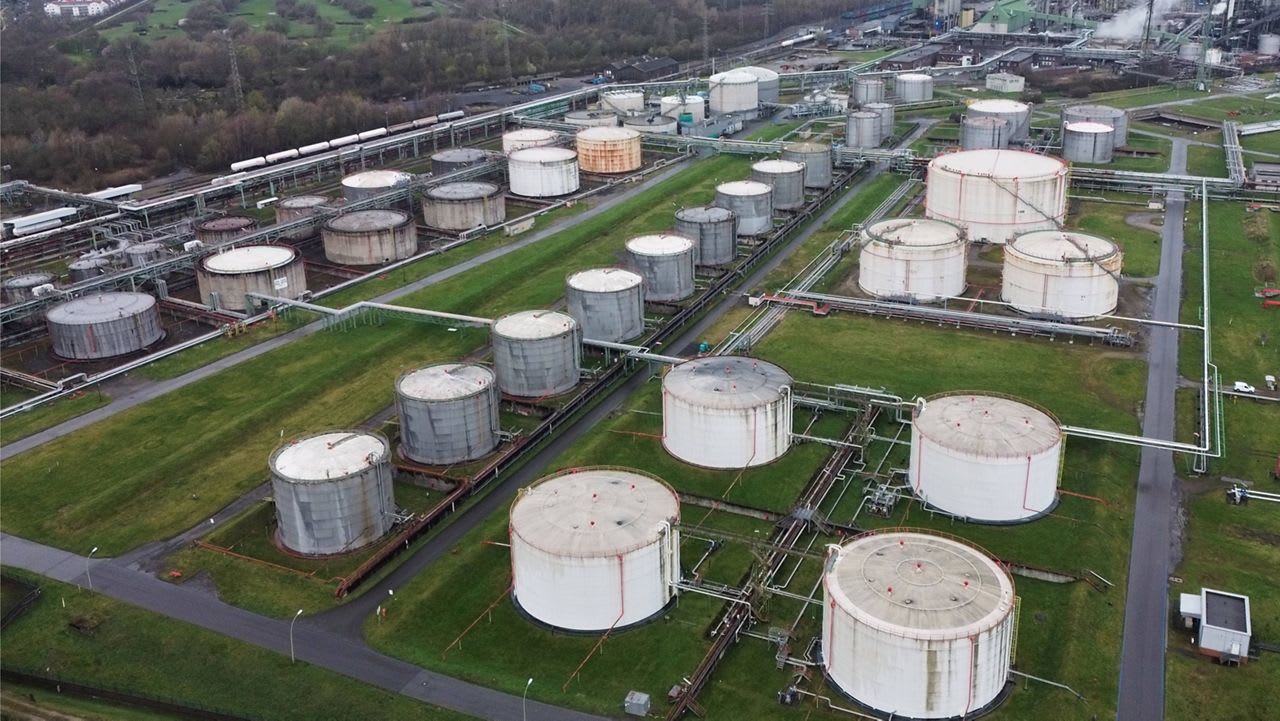
english.ahram.moneycontrol.english.ahram+1The International Energy Agency said on Saturday, Oct. 3, that member countries have released about 325 million barrels of oil and oil products from strategic reserves under the collective action it launched on March 11. That is more than 80% of the 400 million barrels pledged. The update came a day after Group of Seven leaders agreed to a new coordinated release of 100 million barrels aimed mainly at the tight diesel market.moneycontrol+3
In its statement, the agency said "around 325 million barrels of the IEA collective action announced on 11 March have so far been released, representing over 80 percent of the 400 million barrels originally pledged in the action". That leaves about 75 million barrels of the March commitment still to be delivered.english.ahram+1
Under the agreement reached Friday, the IEA will coordinate a release of 100 million barrels of crude and petroleum products over four months, starting immediately and with "a frontloaded substantial diesel release within the first 20 days". The G7 did not say whether the new volume includes the barrels still outstanding from March or comes on top of them. Syria's state news agency SANA reported that the plan takes into account commitments already met under the March action.straitstimes+2
The leaders also agreed to coordinate refinery maintenance schedules so plants do not shut down at the same time, to raise refinery utilization where possible, and to urge countries with large refining capacity to produce more diesel. The IEA was asked to report back within 20 days with recommendations on further steps and on how reserves will eventually be refilled.sana+1
The group pledged not to restrict energy exports among its members. That removes the threat of a U.S. diesel export ban, which President Donald Trump later said would not be imposed. Washington had pressed European allies to release emergency diesel stocks as fuel prices rose in the United States and elsewhere.english.ahram+1
The March action, which the IEA called the largest coordinated stock release in its history, followed supply disruptions from the war involving Iran, which has restricted shipping through the Strait of Hormuz in retaliation for U.S. and Israeli attacks. IEA Executive Director Fatih Birol told G7 leaders in a virtual meeting that the effects of the Hormuz crisis on energy markets "remained acute, especially in diesel markets".unb+2
Birol said Middle Eastern crude exports have recovered considerably, but flows of refined products remain severely constrained. Ukrainian strikes on Russian refineries, Moscow's limits on some diesel exports, and China's tighter controls on refined product exports have added to the shortage. Releasing crude alone cannot quickly fix a diesel shortfall, because crude has to be refined first while refining capacity and shipping remain disrupted.sana+1