Newsletter Subscribe
Enter your email address below and subscribe to our newsletter
[forminator_form id="25163"]

All voices matter
wccftech+1reutersthelec+1Huawei is reportedly partnering with the Chinese government and Shenzhen-based chipmaker Swaysure to construct a 12-inch wafer fabrication plant dedicated to DRAM memory production, as the company moves to secure its own memory supply amid an intensifying global shortage driven by AI demand.
The facility, reported on July 11 by multiple outlets including Huawei Central and WCCFTech, is planned to reach a capacity of 140,000 wafers per month, starting at a 28nm process node. Swaysure, also known as Shenzhen Yiweixu, already has ties to Huawei and supplies memory chips for the company's automotive and consumer device businesses.the-substrate+4
The new fab arrives against the backdrop of what SK Hynix CEO has described as an impending "worst ever" memory supply shortage, with the company warning that 2027 could be even more severe than 2026. DRAM prices have surged as manufacturers redirect capacity toward high-bandwidth memory for AI data centers. DDR4 prices are expected to climb more than 50% in Q3 2026, and industry analysts expect the global DRAM market to remain undersupplied until at least mid-2028.wccftech+1
Up to 70% of memory chip production globally in 2026 is now destined for AI infrastructure, squeezing supply for consumer electronics and automotive applications.everstream
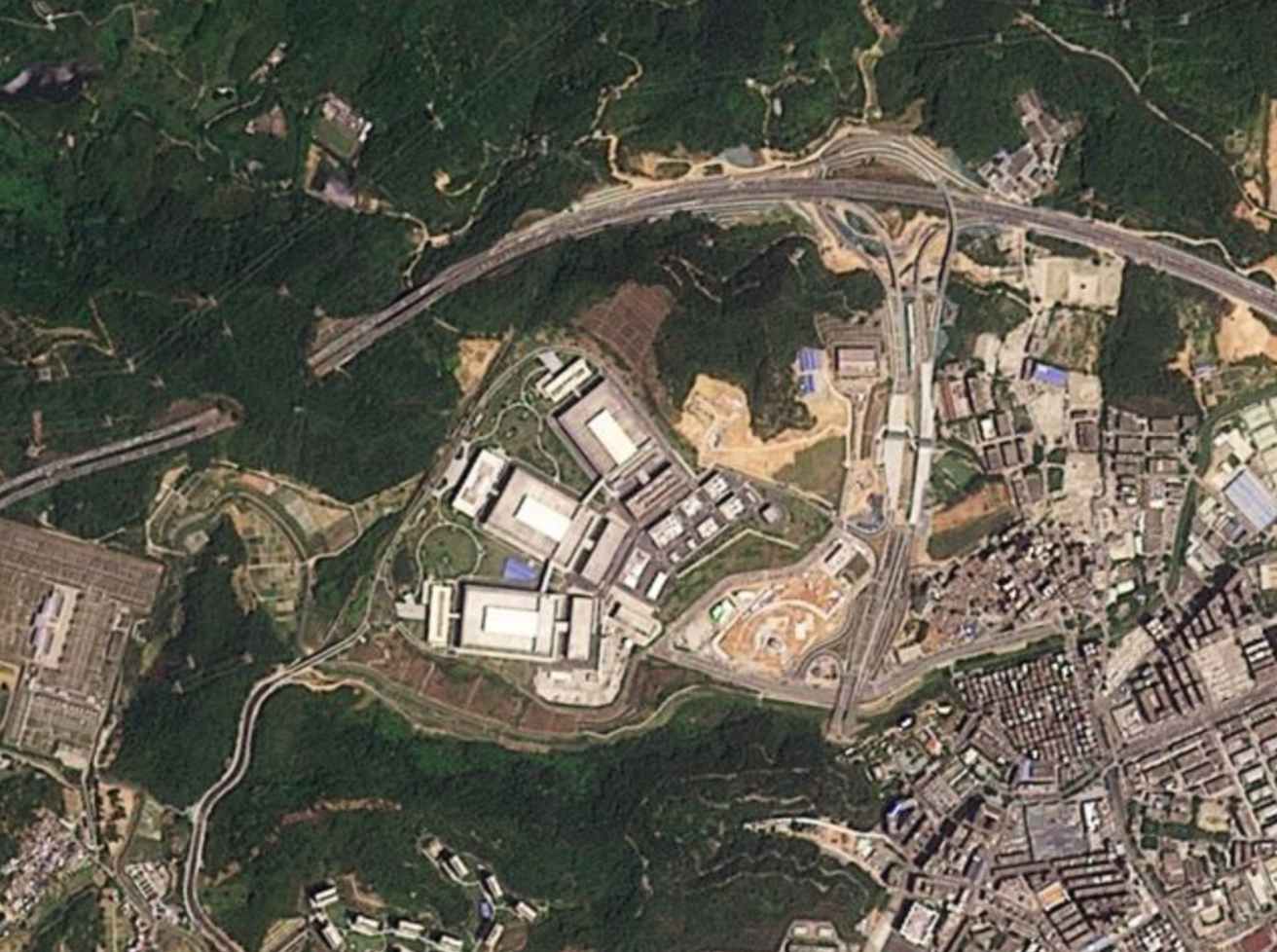
The Swaysure fab represents a further step in Huawei's drive toward becoming a fully integrated device manufacturer. According to reporting by South Korean outlet TheElec in May 2025, Huawei already operates at least 11 semiconductor fabs across China through affiliated companies, covering DRAM, logic chips, and foundry services. A Financial Times investigation using satellite imagery revealed three manufacturing sites under construction in Shenzhen's Guanlan district, including facilities operated by Swaysure and chip equipment maker SiCarrier.thelec+4
The effort is backed by the Shenzhen city government and forms part of Beijing's broader push to reduce China's reliance on foreign memory suppliers such as Samsung and SK Hynix, which have been constrained by U.S. export controls since 2019. Huawei is already on track to capture roughly 60% of China's AI chip market in 2026, with projected revenue of $12 billion from AI chips alone.wccftech
With the global DRAM shortage expected to persist through 2028, Huawei's decision to build domestic memory capacity reflects both strategic necessity and the company's ambition to insulate itself from the geopolitical pressures that have reshaped the semiconductor industry.