Newsletter Subscribe
Enter your email address below and subscribe to our newsletter
[forminator_form id="25163"]

All voices matter
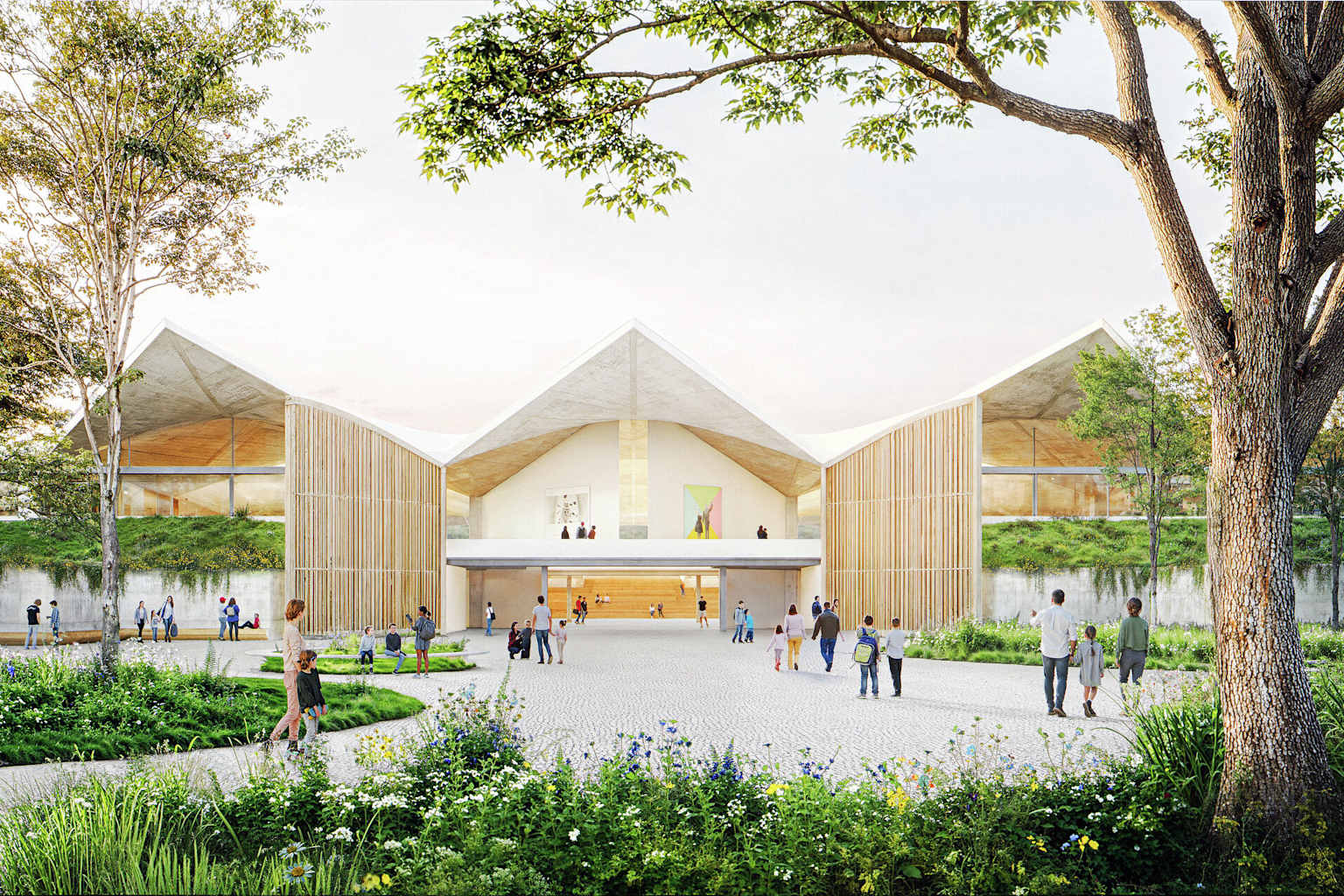
sfchronicle+1.sfchronicle+1.sfchronicle+1.sfchronicle+1.sfchronicle+1.The Eames Institute of Infinite Curiosity has acquired the iconic former Birkenstock campus in Novato for $36 million, marking a transformative moment for the preservation and celebration of mid-century design in the Bay Area. The 88.5-acre property, featuring the distinctive saw-tooth roofline visible from Highway 101, will become a global art and design museum dedicated to the legacy of Charles and Ray Eames.sfchronicle+4
The purchase represents the most ambitious expansion yet for the nonprofit, which has operated from a warehouse in Richmond with a waiting list of 1,000 visitors. "To share my grandparents' vision with the world is the honor of a lifetime," said Llisa Demetrios, Chief Curator of the Eames Institute and granddaughter of the famous design duo.designboom+1
The museum project will be led by Herzog & de Meuron, the Swiss architectural firm behind San Francisco's de Young Museum and London's Tate Modern, in collaboration with San Francisco-based EHDD as executive architects. The adaptive reuse will transform the 166,000-square-foot modernist complex, originally designed by architect John Savage Bolles in the 1960s for publisher McGraw-Hill.designboom+1
"We are honored to collaborate with the Eames Institute on this Bay Area project — a region which has significantly shaped our practice through key projects including the de Young Museum in San Francisco," said Simon Demeuse, Partner at Herzog & de Meuron.designboom
The renovation plans include galleries showcasing the Eames Collection, makerspaces, workshops, educational programming, culinary venues, retail spaces, and sculpture gardens. According to the SF Chronicle, the transformation cost will likely exceed the $36 million purchase price.sfchronicle+1
The project is expected to attract approximately 200,000 visitors annually and generate an estimated $14 million per year in visitor spending, according to project representatives. The museum is projected to create between 85-100 jobs in the region.sfyimby
"The acquisition of the Birkenstock campus is a transformational step for the Eames Institute — the culmination of a long-held dream and our deep commitment to the North Bay community," said John Cary, President and CEO of the Eames Institute.designboom+1
Local officials have embraced the project as a cultural and economic catalyst. "It's really exciting for our community and the broader North Bay to bring a world-class art and design museum and to reactivate that iconic building," said Marin County Supervisor Eric Lucan, noting that the property has remained largely vacant since Birkenstock departed in 2020.sfchronicle
The museum aligns with Novato's general plan goal of establishing "a cultural destination with new art, events, and retail opportunities," with Cary hoping for a 2028 opening.designboom+1
The campus at 8171 Redwood Boulevard has witnessed multiple transformations since modernist architect John Savage Bolles designed it in the early 1960s for publishing giant McGraw-Hill. The original complex included a 135,000-square-foot warehouse and 37,000-square-foot office building that housed McGraw-Hill's textbook operations, featuring murals in the concrete representing education and science. Bolles, known for other Bay Area landmarks including Candlestick Park and the IBM campus in San Jose, incorporated his signature artistic elements into the design.sfgate+3
McGraw-Hill departed in 1991, and Birkenstock moved in just one year later, transforming the facility into their primary U.S. distribution center. The German footwear company, which had been rapidly expanding since Marin resident Margot Fraser began importing the shoes in the 1960s, found the campus a fitting headquarters location. However, in 2007, Birkenstock relocated its distribution operations to Kentucky to reduce shipping times and moved its offices to another Novato building, leaving the iconic structure vacant. The company briefly returned from 2012 to 2020, with employees enjoying amenities like gardens, a creek, and even an on-site bee colony with a resident beekeeper, before vacating permanently when their operations ceased.sfgate+3