Newsletter Subscribe
Enter your email address below and subscribe to our newsletter
[forminator_form id="25163"]

All voices matter
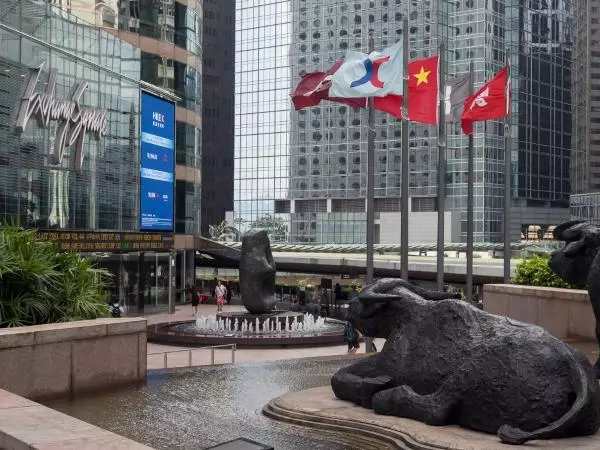
news.rthkmoneycontrolcnbcHong Kong's Hang Seng Index rose nearly 2 percent on Wednesday to close at 25,807, its highest level in almost two months, as the city's internet-heavy market diverged sharply from a brutal selloff in semiconductor stocks across the rest of Asia.
While South Korea's Kospi plunged as much as 10 percent before finishing roughly 6 percent lower — triggering circuit breakers for a second consecutive day — Hong Kong-listed internet platform companies climbed nearly 3 percent on the session. Tencent shares rose 4.3 percent and Alibaba gained 1.4 percent, helping the Hang Seng Tech Index extend its monthly advance to 10 percent.news.rthk
The gains reflected a rotation into consumer-focused names as investors fled AI hardware plays. Xiaomi surged nearly 9 percent ahead of its Thursday launch event for two new electric SUV models, while mainland markets also edged higher, with the CSI300 Index up 0.7 percent and the Shanghai Composite rising 0.4 percent.ibtimes+1
The divergence underscored how Hong Kong's market composition — weighted toward internet platforms rather than semiconductor manufacturers — has made it a relative beneficiary as investors reassess AI infrastructure valuations. SK Hynix fell roughly 15 percent on Wednesday after its quarterly profit surged 557 percent but missed elevated expectations, according to CNBC. Samsung Electronics dropped around 8 percent ahead of its own earnings report on Thursday.moneycontrol+1
In Japan, the Nikkei 225 finished 1.5 percent lower as Kioxia and Tokyo Electron led declines. CNBC reported that chip stocks globally have shed more than $1 trillion in value during the ongoing selloff.cnbc+1
The back-to-back trading suspensions in Seoul reflect deepening investor skepticism over the returns from massive AI capital expenditure. The Kospi has now lost approximately 40 percent from its peak a month ago, according to Moneycontrol, as investors increasingly question the payoff from billions poured into AI infrastructure. "Given the weight of SK Hynix and Samsung on the Kospi, there's nowhere to hide when they fall together," Josh Gilbert, lead analyst for Asia Pacific at eToro, told Bloomberg.moneycontrol
For Hong Kong, the rout elsewhere has become an unexpected tailwind — drawing capital toward platform companies whose businesses stand to benefit from AI adoption without bearing the hardware investment risk.