Newsletter Subscribe
Enter your email address below and subscribe to our newsletter
[forminator_form id="25163"]

All voices matter
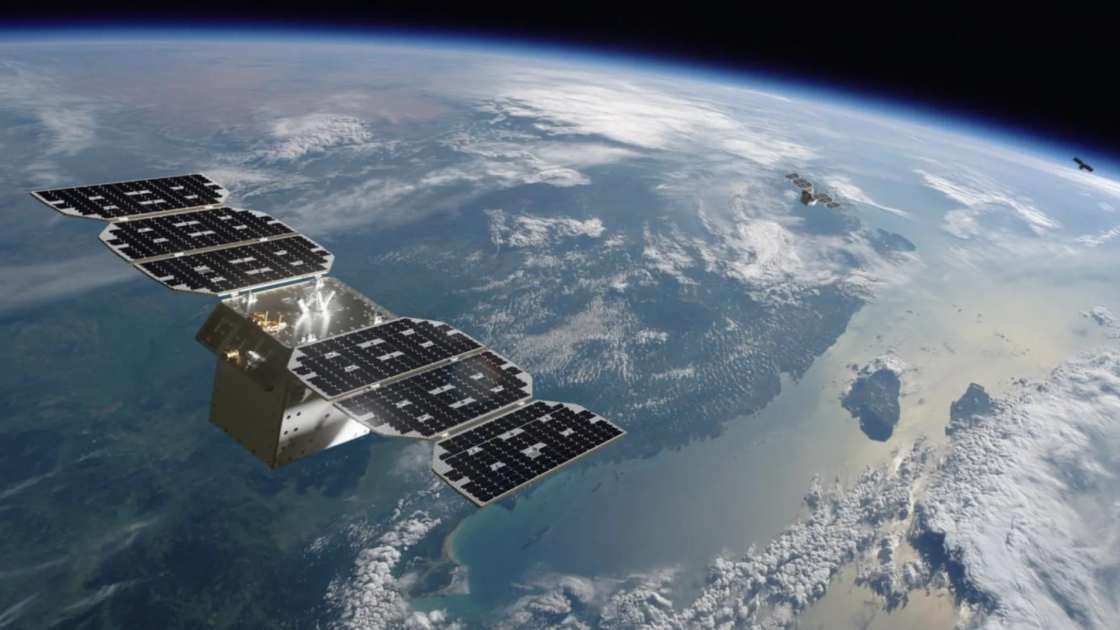
blueorigin.com+1.pcmag.com+1.techcrunch.com.Google Alphabet Inc. has booked a heavy-lift rocket for its plan to put AI computing in orbit. On November 19, 2026, Blue Origin announced a launch services agreement under which its New Glenn rocket will carry satellites for Project Suncatcher, Google's research effort to run AI workloads on solar-powered spacecraft fitted with its Tensor Processing Units (TPUs). The launch is targeted for the first quarter of 2029.blueorigin.com
The mission will be Google's first dedicated heavy-lift launch for Suncatcher. It will place satellites into sun-synchronous orbit, and each one will carry computing capacity "at roughly the scale of a data center rack". Google's first prototype flew as one of several payloads on a SpaceX Falcon 9 rideshare, according to The Verge. The companies have not disclosed the contract's value or how many satellites will fly.theverge.com+2
"Project Suncatcher is a long-term moonshot to scale AI infrastructure in space by tapping into the abundant solar power in orbit," said Travis Beals, Google's senior director for the project. He called the dedicated launch "a crucial milestone on our roadmap." Jordan Charles, Blue Origin's senior vice president of New Glenn, said the rocket's "heavy-lift capacity and large payload volume give customers the flexibility to bring new capabilities to orbit".blueorigin.com
According to Blue Origin's published specifications, New Glenn can lift 45 metric tons to low Earth orbit and has a seven-meter payload fairing. The deal comes while Blue Origin is investigating a hotfire anomaly involving a GS1-3 booster, which it posted updates on November 10.unite.ai+1
The deal follows a prototype satellite, built with Planet , that launched on October 1 aboard SpaceX's Transporter-18 mission. After about three weeks of commissioning, Google sent a prompt to the onboard Gemma 4 model asking for a haiku about being in space. The answer came back as the satellite passed over Svalbard, Norway: "Blue marble below / Data streams in silent grace / Starlight feeds my core." Google called it the first AI response from a data center-class TPU in orbit.blog.google+1
The prototype is limited. It carries four TPUs but generates only up to 1 kW of power, so it can run one chip for about 20 minutes at a time.techcrunch.com
Google says it will next test how its TPUs hold up under thermal stress and radiation in orbit. That work is meant to lead to "twin interconnected satellites in 2027". Google is also still working with other satellite and launch partners, and Suncatcher remains a research program rather than a service customers can use. Whether the hardware can stay reliable, keep cool and communicate between satellites still has to be shown before the 2029 flight.superpowerdaily.com+2