Newsletter Subscribe
Enter your email address below and subscribe to our newsletter
[forminator_form id="25163"]

All voices matter
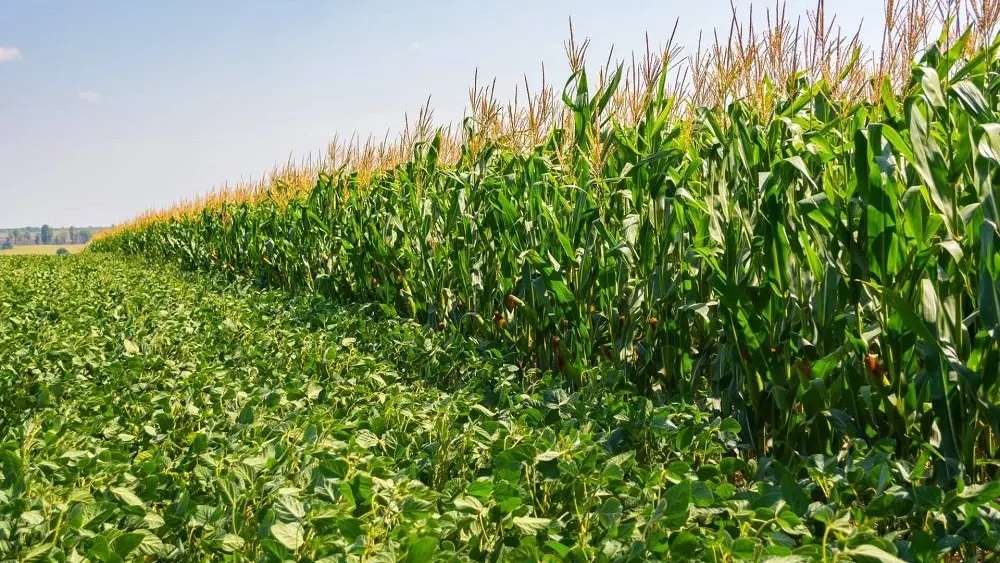
bloomberg.theedgesingapore.theedgesingapore.Global farm prices rose more in the third quarter than in any quarter since Russia invaded Ukraine in early 2022. The rise could feed through to food costs and make it harder for central banks to hit their inflation targets.
Bloomberg reported that the Bloomberg Agriculture Spot Index, which tracks 10 major crops including soybeans and coffee, rose 13% in the three months through September. That was its biggest quarterly gain since March 2022. In Chicago, corn and wheat futures each climbed 15% over the quarter and soybeans gained 13%.bloomingbit+2
Supply worries drove most of the rally. Heavier fighting between Russia and Ukraine in recent months has choked crop shipments from the Black Sea region, a major source of the world's grains and oilseeds. Importers in Asia and Africa that depend on those shipments have been looking for other suppliers.theedgesingapore
Weather has made things worse. Extreme conditions hurt wheat and corn crops in growing regions from the US to Europe. Bloomberg also reported that a strengthening El Niño, on track to be one of the strongest on record, is cutting forecasts for palm oil and cocoa. India has just finished its weakest monsoon season in a decade, which threatens harvests and raises food-price risks there.theedgesingapore
The effects are already showing up in other measures. According to a briefing from research group Zero Carbon Analytics, cited by Bloomberg, the UN Food Price Index passed a four-year high in August. The same briefing says France expects its smallest maize harvest since 1980. Joan Bentley-McCoone, the briefing's lead author, said climate inflation "places a strain on household budgets worldwide".ecopolitic
Trade between the US and China also supported prices. China kept buying US soybeans, and optimism grew ahead of a meeting between the two countries' leaders in late September. After the summit, the two sides said Beijing would cut tariffs on US crops including wheat and corn as part of a broader deal. China will keep its extra tariffs on American soybeans.theedgesingapore
Some of the bullish mood has faded. The US Department of Agriculture released a report on Wednesday, Sept. 30, projecting ample US supplies. Chicago grain futures fell sharply after the report before recovering some of their losses.bloomingbit+1
Traders are now watching for any sign of Russia-Ukraine peace talks and for more Chinese purchases. Bloomberg noted that Chinese demand will need to stay strong for the trade optimism to keep lifting grain markets. If prices stay high, they could add to inflation through food costs just as central banks are trying to bring it back to target.theedgesingapore+1