Newsletter Subscribe
Enter your email address below and subscribe to our newsletter
[forminator_form id="25163"]

All voices matter

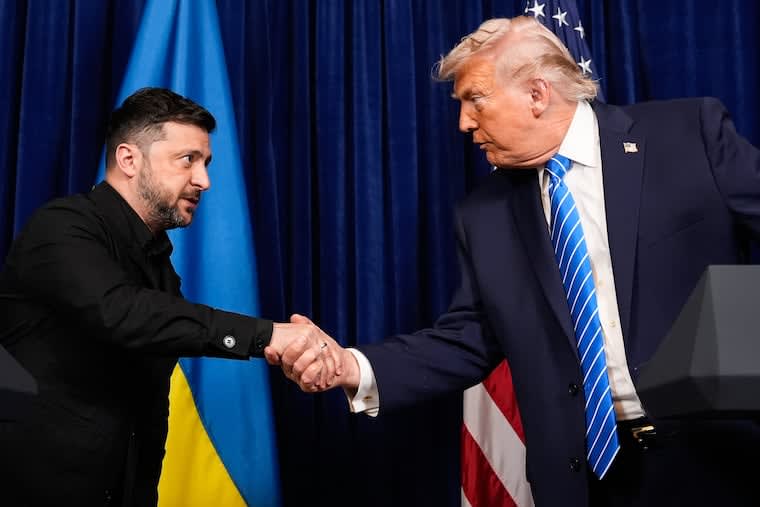
citizendw+1citizenEuropean governments are refusing to follow President Donald Trump's diesel deal with Russia. German Chancellor Friedrich Merz said on Monday that the agreement was "out of the question" for Germany and Europe. On Tuesday, the foreign ministers of Germany and Britain used the Warsaw Security Forum to call for more sanctions on Moscow, not fewer.dw+2
The split between Washington and its European allies is out in the open days before an EU summit in Brussels. European leaders are expected to call there for more pressure on the Kremlin's energy revenues.politico
"We take note of the agreement between the United States and Russia on diesel exports," Merz said in Berlin. "For Germany and Europe, such a decision is out of the question." He said Russia would only negotiate seriously under pressure. He also questioned Trump's announcement of an immediate halt to energy strikes, saying Moscow had answered it with heavy attacks on Ukraine's grid.dw
The deal followed a phone call between Trump and Vladimir Putin on Friday. The next day, Russia partly lifted diesel export restrictions that had been in place since early 2026. Politico reported that Trump hopes 4.8 million tons of Russian diesel will reach world markets in the coming months and push down fuel prices before the November midterm elections. EU officials privately describe the move as driven mainly by domestic politics.gazettengr+1
On Monday, EU foreign ministers meeting in Luxembourg approved sanctions against about 1,600 individuals and businesses tied to Russia's war effort. They also listed 77 people and groups linked to elections in occupied Ukrainian territory. Politico said draft conclusions for the summit, which begins Thursday, call for further measures against Moscow. Polish Prime Minister Donald Tusk said Russia "is not interested in a ceasefire, or in de-escalation or peace".politico+2
"This is not the time to lower the sanctions regime but to strengthen this," German Foreign Minister Johann Wadephul told the forum. "We are keeping our course." He said his meeting with Russian Foreign Minister Sergey Lavrov in New York last month convinced him that Moscow does not want a ceasefire, and he called the outcome "a very dire result". He also said Europe expects China to use its influence over Russia to help end the war.citizen+2
UK Foreign Minister Ed Miliband said allies must "ratchet up the sanctions." He backed Trump's declared pause in energy attacks but said it should be "a broad energy ceasefire" and not only cover oil refineries. Ukraine has just one refinery. "Last week alone we've seen 200 Russian attacks on Ukrainian energy infrastructure," Miliband said. Wadephul suggested that a truce should also cover attacks in the Black Sea.english.ahram+1
EU foreign policy chief Kaja Kallas said the bloc would welcome an energy ceasefire "when it holds," but added: "We have not yet seen that also Russia will stick to it."people