Newsletter Subscribe
Enter your email address below and subscribe to our newsletter
[forminator_form id="25163"]

All voices matter
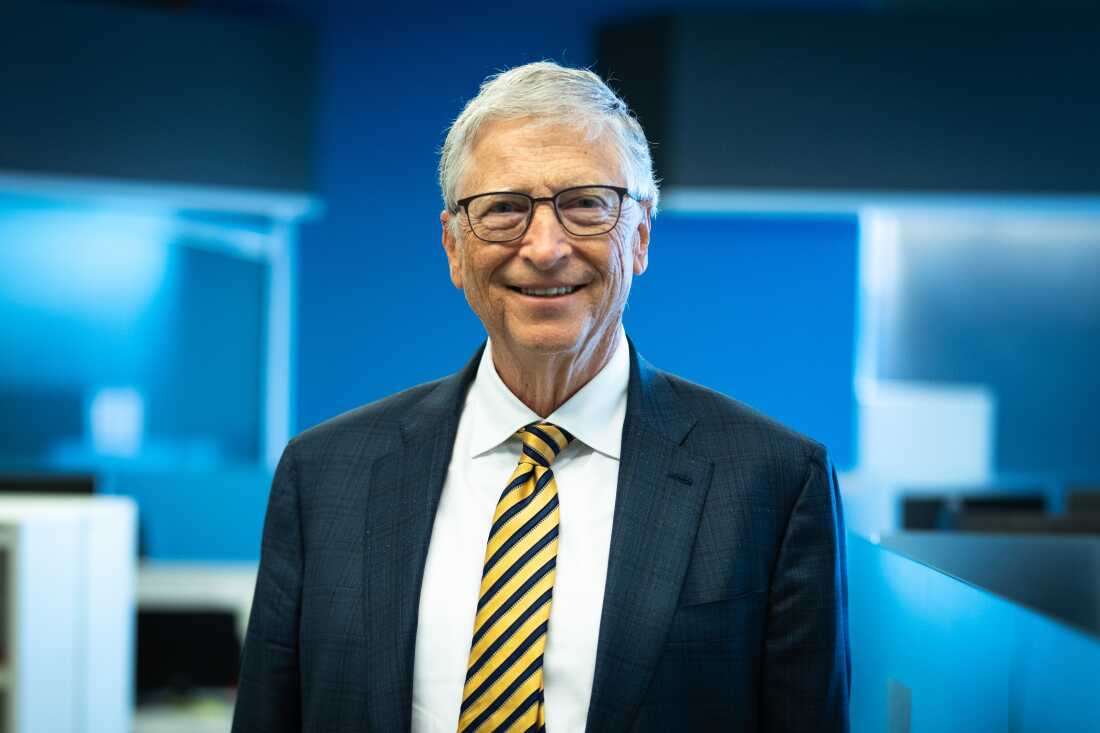
economictimeseconomictimeseconomictimesBill Gates is calling on technology companies and world leaders to ensure artificial intelligence narrows social inequities rather than deepening them, as the Gates Foundation commits $1 billion over two years to broaden access to AI tools in health care, education, and agriculture across the developing world.
The pledge, announced Tuesday alongside the foundation's annual Goalkeepers report, will direct roughly $400 million toward health care applications, $400 million toward education, and $100 million toward agriculture, according to the Associated Press. An additional $100 million will fund efforts to build data sets in languages spoken by underserved communities.economictimes
The initiative enlists several leading AI firms. OpenAI has committed $50 million alongside the foundation to train health workers in Rwandan clinics through a pilot program called Horizon 1000, which aims to reach 1,000 primary health care clinics across Africa by 2028. Anthropic is collaborating on vaccine development and improving its chatbot's knowledge of local crops. Google Alphabet Inc. and Microsoft helped launch an open funding call for projects supporting underrepresented languages across Africa.usnews+2
Gates Foundation CEO Mark Suzman acknowledged the funding is a "tiny proportion" of what tech companies spend on commercial AI products and said the foundation is in discussions with major firms about directing more technical resources and personal wealth toward these goals.economictimes
The report lands amid heightened anxiety over AI development. Gates wrote in a blog post last month that AI will either be "the greatest equalizer" or the "worst source of injustice," warning it could enable fraud, disinformation, and cyberattacks. His appeal echoes recent calls from executives at leading AI companies to slow the technology's rapid advance.economictimes
The foundation is also navigating deep cuts to U.S. international aid under the Trump administration, which have disrupted a global AIDS relief program affecting dozens of countries. "We haven't given up on the U.S.," Suzman told the AP. "We will acknowledge it's been a challenging period with the U.S. government on this. But we believe there is still a case to be made."economictimes
The Goalkeepers report precedes next week's United Nations General Assembly meetings in New York, where AI governance and the widening gap between rich and poor nations are expected to feature prominently in discussions.wtop+1