


Newsletter Subscribe
Enter your email address below and subscribe to our newsletter
[forminator_form id="25163"]

All voices matter
tradingeconomics+1cnbc+1reutersBusiness activity across the eurozone and parts of Asia picked up in July, according to flash purchasing managers' index data released this week, signaling gradual economic expansion even as a fresh spike in energy prices threatens to weigh on growth in the months ahead.
Flash PMI surveys published on July 23 and 24 by S&P Global pointed to improving conditions across major economies. Japan's manufacturing PMI held near elevated levels at 54.7 in July, while the eurozone composite PMI had already returned to the neutral 50.0 mark in June after months of contraction. The eurozone manufacturing sector has remained in expansion territory since early 2026, with PMI readings above 51 for several consecutive months. China's manufacturing PMI stood at 51.7 in June, adding to evidence of a broadening global upturn.datatrack.trendforce+5
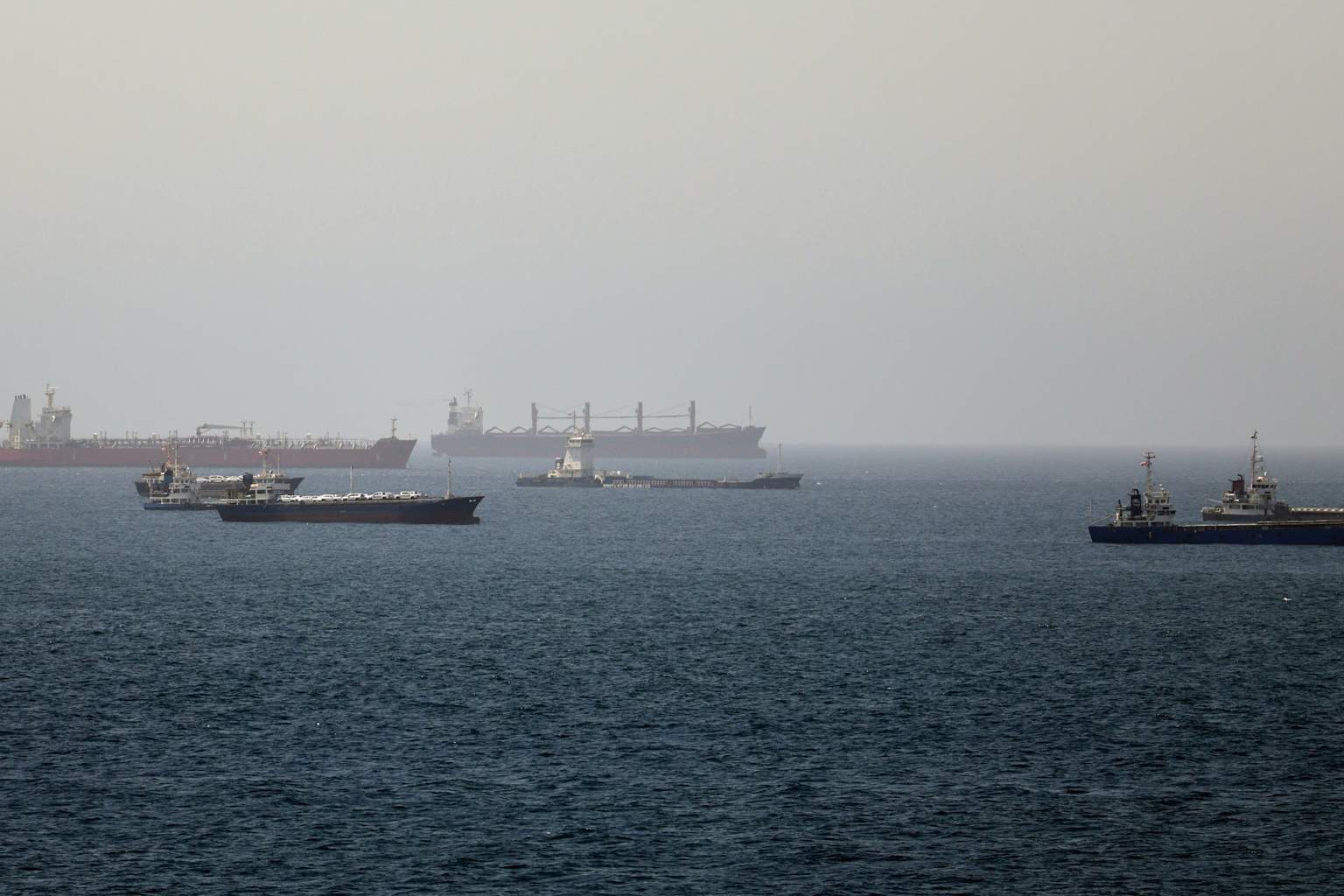
The improvement in activity data comes against a backdrop of renewed geopolitical turmoil. The United States and Iran signed a 14-point memorandum of understanding on June 17 that established a ceasefire and reopened the Strait of Hormuz to commercial shipping. Oil prices subsequently fell back toward pre-conflict levels by late June.reuters+3
But the reprieve proved short-lived. The U.S. revoked a temporary sanctions waiver on Iranian oil in early July and launched fresh strikes against Iranian military installations, prompting Tehran to threaten retaliation against commercial shipping. Brent crude climbed steadily through the month, with Reuters Thomson Reuters Corporation reporting prices above $84 a barrel by mid-July as supply disruptions mounted. CNBC reported that U.S. gasoline prices reached $4.06 a gallon by late July, with diesel jumping to $5.13 — the biggest weekly increase since the war began in March.aljazeera+2
Despite the renewed energy shock, European equities have shown resilience. The STOXX 600 rose earlier this week as reports of U.S.-Iran mediation efforts and strong corporate earnings offset oil-related concerns. The pan-European index had recovered from its sharpest weekly loss since April, logged on July 11 when hostilities resumed, and was broadly flat heading into Friday's session.tradingeconomics+2
Analysts noted that European markets are navigating multiple headwinds simultaneously — geopolitical risk, rising inflation expectations, and shifting central bank policy — yet appear to be pricing in a resolution to the conflict rather than a prolonged escalation.moderndiplomacy


