


Newsletter Subscribe
Enter your email address below and subscribe to our newsletter
[forminator_form id="25163"]

All voices matter
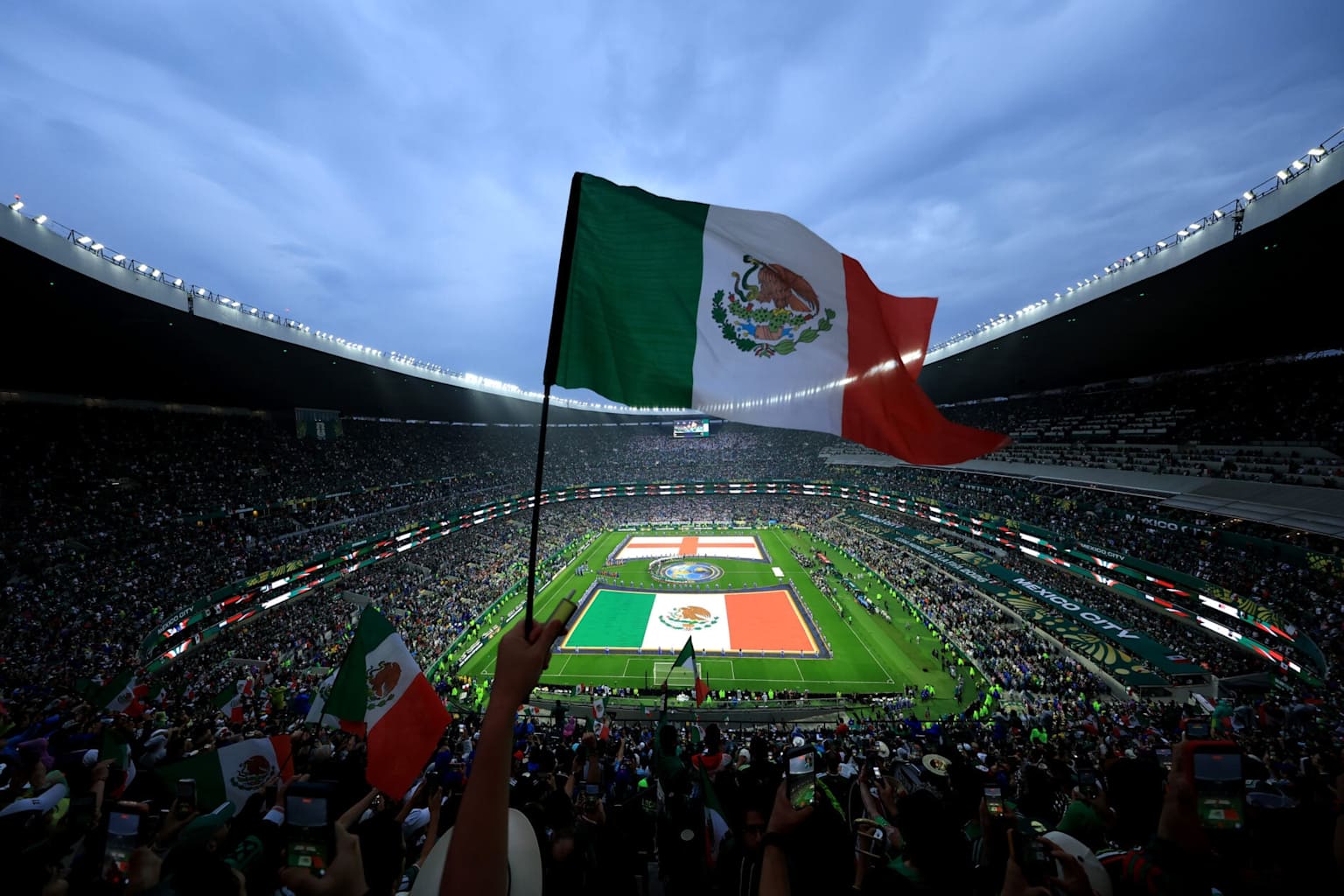
sportsbusinessjournal+1newsweekmexicobusinessThe 2026 FIFA World Cup concluded Sunday with Spain's extra-time victory over Argentina at MetLife Stadium, capping a tournament that shattered revenue records for FIFA while delivering decidedly mixed economic results for the three host nations.
FIFA is set to announce record revenue of $15 billion from the tournament — far exceeding its original $11 billion target, according to The Guardian and Sports Business Journal. FIFA President Gianni Infantino informed member associations of the figure on Saturday, calling it a result that "significantly exceeded" pre-tournament targets. The haul more than doubles the $7.5 billion generated during the 2022 World Cup in Qatar, with broadcasting rights contributing $3.9 billion, ticketing and hospitality around $3 billion, and sponsorships approximately $2.8 billion.youtube+3
Consumer spending in U.S. host cities rose meaningfully during the tournament. Bank of America Institute data showed card-based purchases across the 16 host cities climbed 5.4 percent year-over-year during the group stage, driven by a 17.4 percent jump in non-local spending. Host cities posted a 23 percent increase in revenue per available hotel room, with match-day figures soaring 152 percent higher than normal.youtube+1
Kansas City stood out among U.S. venues, while Toronto — where $380 million was spent by municipal, provincial, and federal governments to host six matches — is still assessing whether its investment will yield lasting returns.finance.yahoo
Mexico's experience proved far less rosy. A Deloitte study released at the tournament's conclusion found the country's World Cup economic impact reached $2.54 billion — 7 percent below forecasts — with total visitor numbers hitting just 494,000 against a pre-tournament estimate of 836,000. The gap was even starker compared to government projections of 5.5 million additional tourists, which business groups had long questioned.mexiconewsdaily+1
Hotel occupancy actually declined compared to June 2025 in all three Mexican host cities — Mexico City, Guadalajara, and Monterrey — as business travelers avoided disruptions and FIFA's dynamic ticket pricing deterred budget-conscious fans. Mexico's broader economy had already contracted 0.8 percent in the first quarter of 2026, its worst quarterly performance since 2020, according to Reuters and Mexico's INEGI statistics agency.mexicobusiness+3
Economists remain skeptical that mega-event spending translates into durable gains. "Historical evidence gives us little reason to expect substantial, lasting economic gains for host cities," said Dennis Edwards, an economist at North Carolina State University. "Governments and taxpayers assume much of the financial risk".cnr.ncsu
Francisco Madrid, head of Mexico's Advanced Research Center for Sustainable Tourism, offered a counterpoint: the greatest legacy may lie not in dollars but in international exposure for Mexico as a tourist destination after years of limited federal investment in tourism promotion.mexiconewsdaily


