Newsletter Subscribe
Enter your email address below and subscribe to our newsletter
[forminator_form id="25163"]

All voices matter
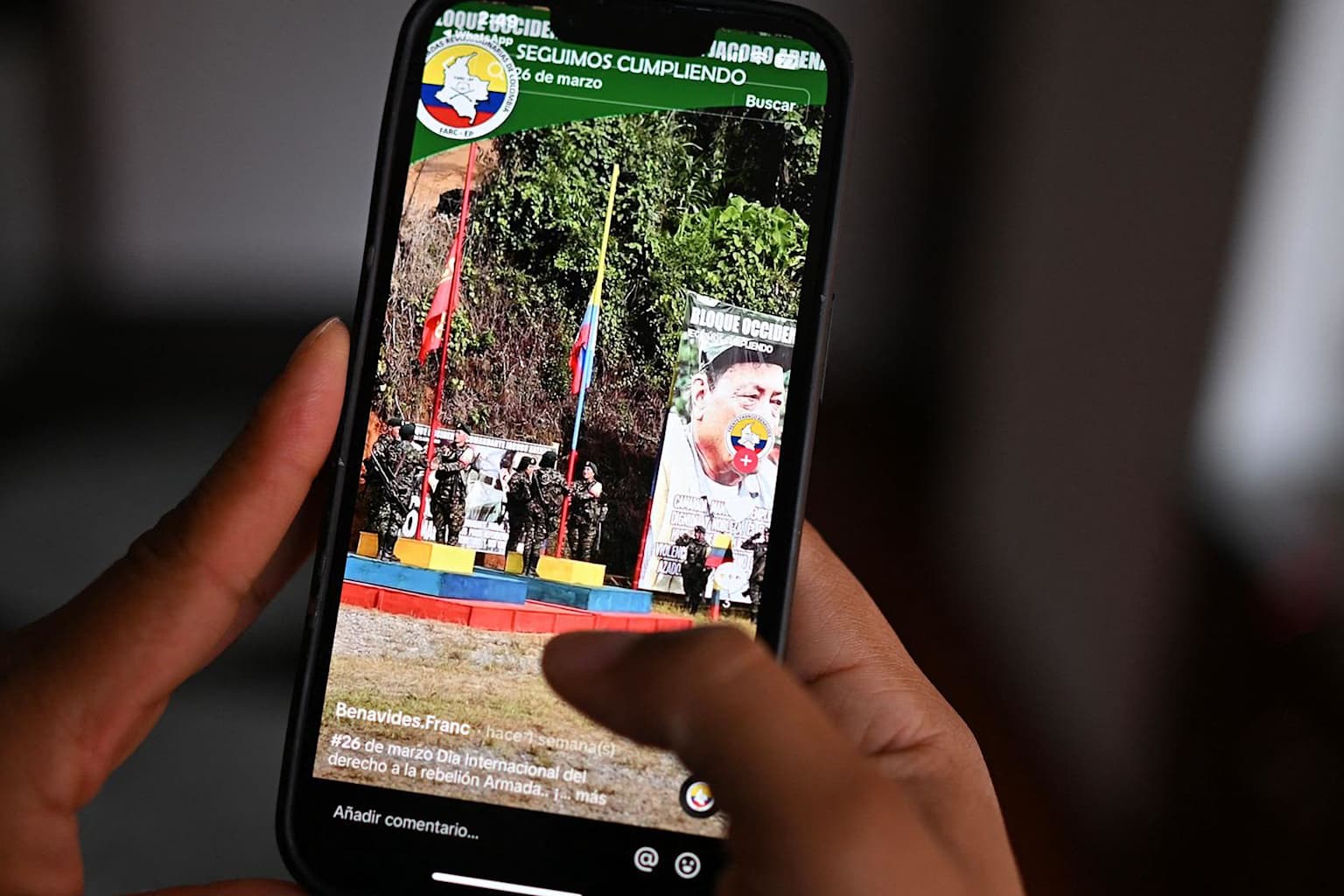
anews+1royanews+1anews+1Facebook and TikTok Meta Platforms, Inc. failed to prevent the spread of content produced by Colombian armed groups to recruit children and in some cases "appeared to promote these posts," Human Rights Watch reported on Monday in a 102-page study detailing how guerrilla factions exploit social media to lure minors into their ranks.anews+1
The report, titled "'I Thought I'd Never See My Mom Again': Recruitment and Use of Children by Colombian Armed Groups," found that researchers identified over 40 posts and 70 accounts on TikTok and Facebook that glorified combatant life, posted deceptive job offers, and used public chat forums to contact minors. HRW said algorithmic promotion on these platforms expanded the reach of recruitment drives targeting children.royanews
Social media posts showed armed group members flaunting wads of cash and jewelry, appearing in training camps, or listening to "narcocorridos" — a Mexican music genre celebrating drug traffickers. In the comments sections, some users asked how they could join.newsbytesapp+1
"Armed groups in Colombia are recruiting children with impunity, as protection systems are failing, and social media platforms have become a more effective recruiting ground," said Juanita Goebertus, Americas director at Human Rights Watch.royanews
According to data from the Colombian Ombudsperson's Office analyzed by HRW, approximately 1,500 children have been recruited by armed groups since 2021. Dissident groups originating from the now-defunct Revolutionary Armed Forces of Colombia (FARC) account for 74 percent of documented child recruitment cases between 2021 and 2025.anews+2
Nearly half of child recruits are Indigenous children, despite Indigenous people representing only about four percent of the population. Girls account for around 40 percent of recruits and face severe risks of sexual violence. Armed groups use children for combat, handling weapons, drones and explosives, intelligence gathering, and in some cases deploy untrained minors as "cannon fodder."newsbytesapp+2
In physical recruitment operations, intermediary networks receive bounties of up to $1,000 per child, frequently operating near rural boarding schools.royanews
Both Meta and ByteDance confirmed to HRW that their policies ban violent organizations and stated that flagged accounts were removed. Meta said it "constantly strives to refine its approach to combating it across its platforms," while TikTok said it "proactively prevents illegal armed groups and organized criminal groups from using TikTok, including to target, exploit or recruit minors."anews+1
HRW called on the administration of President Abelardo de la Espriella, who has vowed to crack down on armed groups, to adopt a comprehensive security and judicial framework and overhaul municipal child protection agencies.royanews+1