Newsletter Subscribe
Enter your email address below and subscribe to our newsletter
[forminator_form id="25163"]

All voices matter
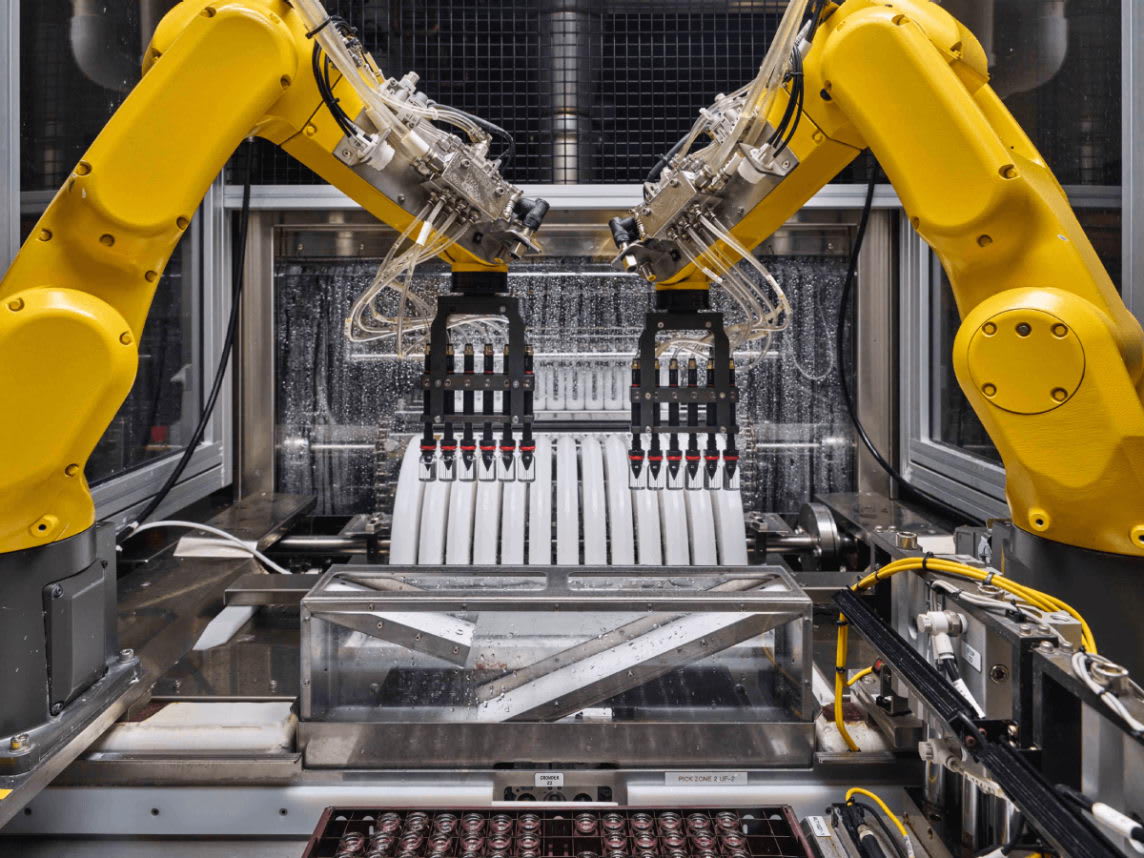
europaseekingalpha+1ecb.europa+1Industrial production across the eurozone fell 0.2% in May compared with April, snapping three consecutive months of growth and missing market expectations of a 0.2% increase, according to data published Tuesday by Eurostat.tradingeconomics+1
The decline, which measured 0.1% across the broader 27-member European Union, marks the first monthly contraction since January's sharp 1.5% drop and underscores the fragility of the bloc's industrial recovery.europa+1
The May figures break a streak of modest but steady gains. Industrial output had risen 0.4% in February, 0.2% in March (later revised to 0.4%), and 0.1% in April. According to Seeking Alpha, the decline was driven mainly by a drop in durable consumer goods production, which has been a persistent drag in recent months.europa+3
On a year-over-year basis, eurozone industrial production rose just 0.3% in April — the most recent annual comparison available — reflecting how far output remains below pre-energy-crisis trends.europa
The data arrives amid rising input costs for manufacturers. Eurostat reported separately that industrial producer prices climbed 5.9% year-over-year in May, driven by energy and intermediate goods. The European Central Bank raised interest rates by 25 basis points in June, bringing the deposit rate to 2.25% — its first hike since December 2023 — as inflation reached 3.2% in May.europa+3
The ECB's June staff projections forecast eurozone GDP growth of just 0.8% for 2026, while the IMF in June cut its own estimate to 0.9% and warned that persistently high energy prices could worsen conditions further.ecb.europa+1
The eurozone's industrial weakness has been compounded by disruptions stemming from the conflict in the Middle East, which has driven up oil and gas prices and strained supply chains. The Conference Board noted that a ceasefire agreement between the U.S. and Iran in mid-June, including reopening the Strait of Hormuz, could eventually ease energy pressures — but the 60-day framework leaves considerable uncertainty.conference-board
Tuesday's data reinforces the tension facing ECB policymakers as they balance elevated inflation against weakening industrial momentum heading into the second half of 2026.