


Newsletter Subscribe
Enter your email address below and subscribe to our newsletter
[forminator_form id="25163"]

All voices matter
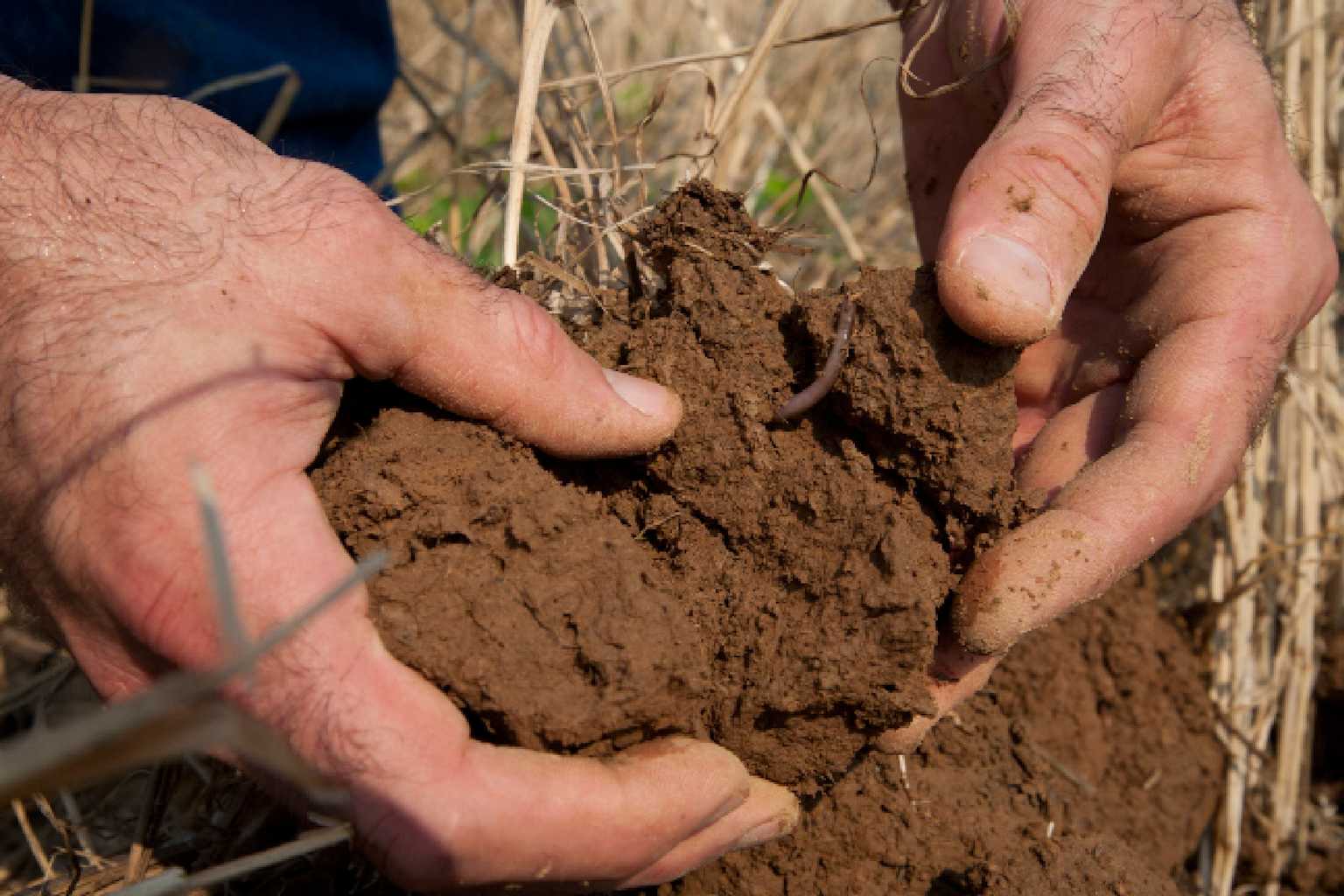
reutersreutersbrusselstimes+1Europe's summer of extreme heat and drought is exacting a heavy economic toll, with crop failures, stalled freight traffic on major rivers, and disrupted nuclear power generation combining to threaten growth across the continent. Economists now warn the damage could cut EU GDP by as much as 1% in 2026.finance.yahoo
The June heatwave alone could cost farmers in the EU and Britain up to €2.3 billion ($2.7 billion) in failed crops, according to the Energy and Climate Intelligence Unit. Britain's cereal harvest is set to be the worst since comparable records began in 1984, while almost three-quarters of England is officially in drought after the country's hottest June and driest July on record. The Met Office has said summer 2026 is on course to be the UK's hottest since records began, with mean temperatures running 1.88°C above the 1991-2020 average.reuters+1
Across Europe, estimates for maize and sunflower production have already been cut by around 6-7%, and climate-driven food inflation is creating complications for the European Central Bank.facebook
Low water levels on the Rhine and Danube have severely disrupted freight traffic and energy generation. Water levels on parts of the Rhine have reached their lowest since records began in 1880, forcing vessels to carry reduced loads. ING estimates Rhine disruptions alone could reduce Germany's 2026 GDP by 0.3 percentage points.brusselstimes+2
France has shut down three nuclear reactors after drought conditions lowered river flows needed for cooling, while facilities in Hungary and Romania have also been affected by low water on the Danube. Oxford Economics warned last week that the largest dent to eurozone activity from the summer heatwave "is likely to come from low water levels."instagram+2
Belgium, whose Port of Antwerp-Bruges accounts for 4.5% of the country's economic output, is among nations assessing the downstream effects as access to German ports via the Rhine becomes restricted. A study from the Vrije Universiteit Brussel projects that by 2050, 40% of Europe's inland waterways will face drought conditions, rising to over 70% by the end of the century under current policies.brusselstimes
The crisis has accelerated corporate action. McDonald's has pledged to spend at least $1 billion over the next decade on supply-chain resilience, while Nestlé and Generali Assicurazioni Generali S.p.A. are linking insurance products to regenerative farming practices that reduce drought-related yield losses.reuters
"Building a more resilient food system is bigger than any one company," said Jon Banner, global chief impact officer at McDonald's.reuters


