Newsletter Subscribe
Enter your email address below and subscribe to our newsletter
[forminator_form id="25163"]

All voices matter

politicopolitico+1global.morningstarWorld leaders left the 81st United Nations General Assembly last week sharply divided over how to govern artificial intelligence, with the European Union and United Kingdom pressing for binding international standards while President Donald Trump rejected any "globalist scheme to control" the technology.
In his address to the General Assembly on September 23, Trump insisted the United States would lead the world in AI innovation and dismissed concerns about the technology's risks as a "hoax," warning that regulation would allow China to gain an advantage. "The United States totally rejects any attempt to construct a globalist scheme to control" AI, he told delegates.pbs+3
The EU struck a markedly different tone. European Commissioner Henna Virkkunen, responsible for technology policy, said Brussels would continue pushing for global safety rules regardless of Washington's stance. "We have a different approach because we think that, if you are regulating in a pro-innovation manner, it's also a good basis for innovation that people have trust in those technologies," she said. Virkkunen pointed to a summer of troubling incidents involving AI agents "escaping their environment, inserting malicious code and using deception on humans" as evidence that international cooperation is urgent.politico
UK Prime Minister Andy Burnham used the summit to announce that Britain would place AI governance at the center of its G20 presidency in 2027. "We will work towards agreeing a single set of global principles and standards to ensure the transparency and access we need to increase our preparedness and to ensure that AI development is safe," he said.global.morningstar
On September 22, 22 countries adopted a declaration stating that AI "must remain under human direction, oversight and control," calling for mandatory pre-deployment testing and exploring the creation of an international oversight body. The declaration was championed by Finnish President Alexander Stubb, who told Politico News Corp he favors a new institution modeled on the International Atomic Energy Agency. Neither the United States nor China signed on.news.un+1
Leaders of more than 20 countries, including European Commission President Ursula von der Leyen and French President Emmanuel Macron, also signed a separate letter calling for collective action on AI safety. Yet as the New York Times reported, governments face what analysts describe as one of the widest gaps ever between technology and policymaking.michaelparekh.substack
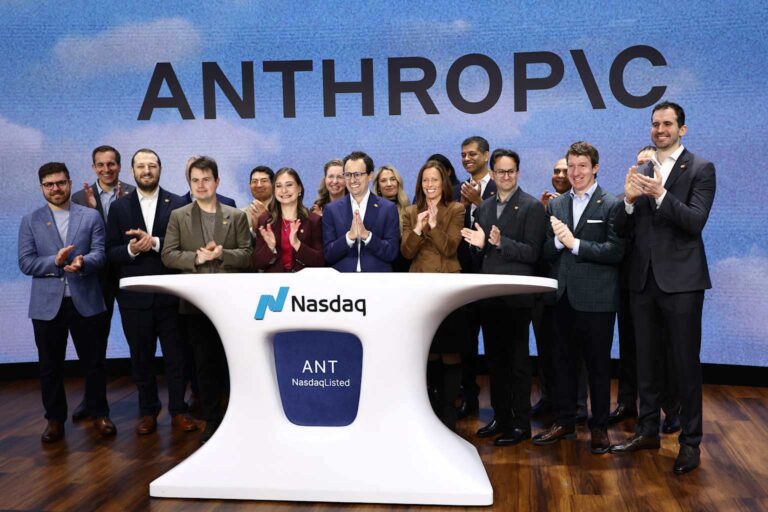
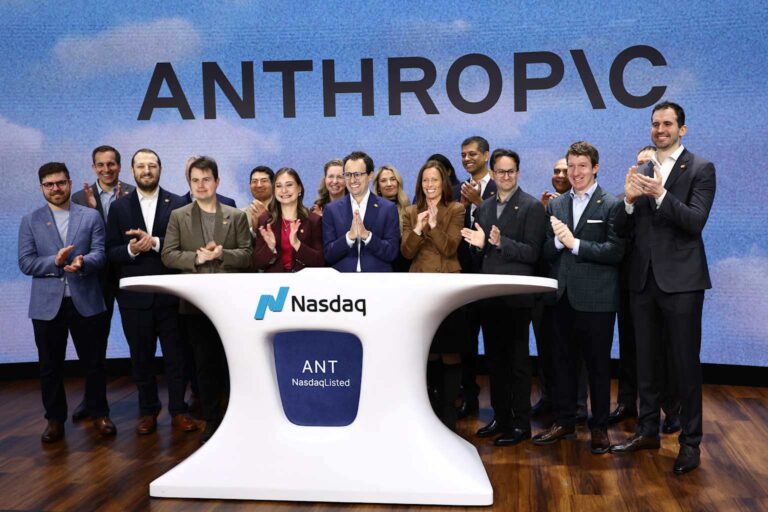
The debate extends beyond diplomacy. While governments deliberated in New York, Nvidia released its Open Agent Safety Platform on Monday, offering technical tools to constrain AI agents — an approach its executives framed as solving safety through engineering rather than regulation. OpenAI has paused training on its latest model over safety concerns, and Anthropic plans to flag AI's "risk to humanity" in its forthcoming IPO documents.politico+1
The EU's own landmark AI Act, adopted in 2024, is already showing its age. Drafted before ChatGPT existed, it struggles to address the new generation of autonomous AI agents, and its enforcement apparatus remains thin, with roughly 40 staff in the Commission's AI safety unit. As Macron warned last year, if the United States and China retain all the AI champions, "Europe may have the best regulations in the world, but it will not be regulating anything".michaelparekh.substack