Newsletter Subscribe
Enter your email address below and subscribe to our newsletter

All voices matter
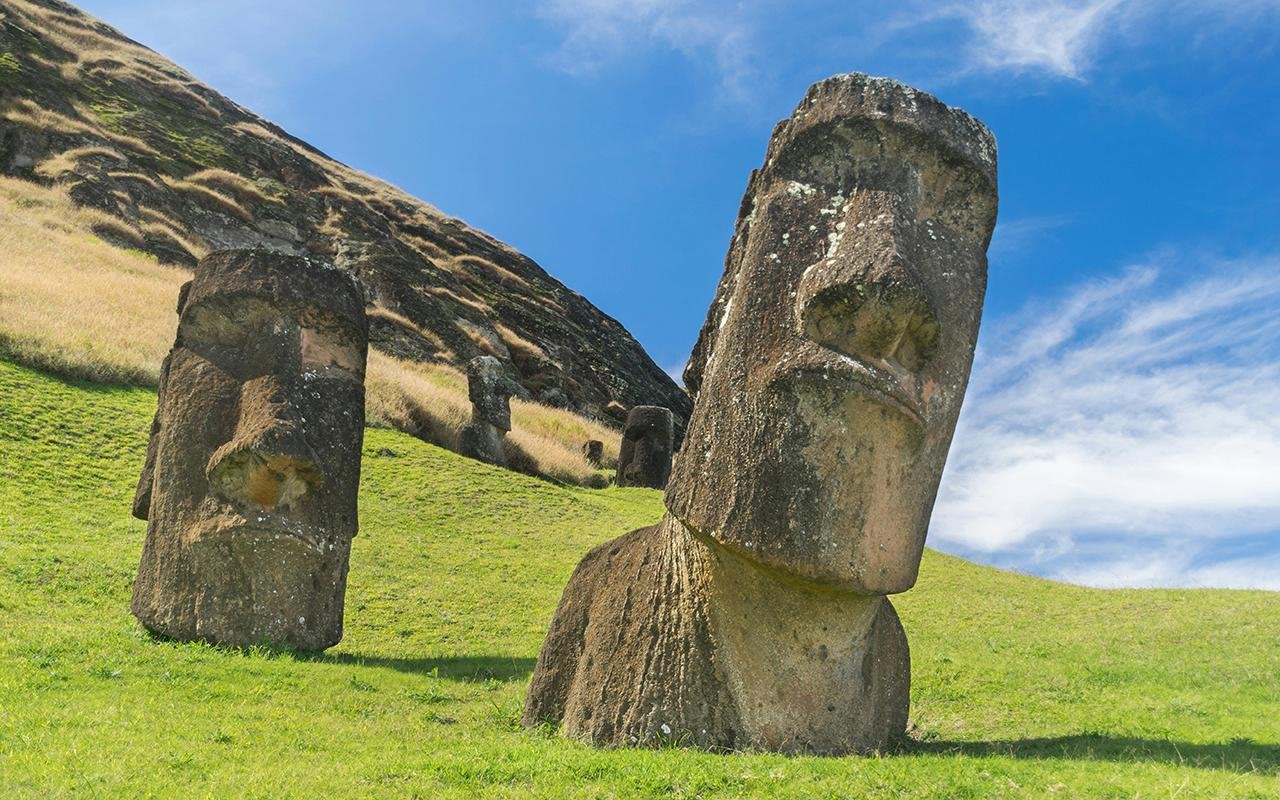
news.artnet+1.news.artnet+1.news.artnet+1.arkeolojikhaber+1.arkeolojikhaber+1.A new study from Swedish researchers is rewriting the history of Easter Island, challenging the long-held belief that the remote Pacific island developed in complete isolation after its initial settlement. The research, published this week in the journal Antiquity, reveals that Easter Island played an active role in spreading ceremonial traditions across Polynesia rather than simply receiving cultural influences from other islands.
Archaeologists Paul Wallin and Helene Martinsson-Wallin from Uppsala University analyzed radiocarbon dates and archaeological data from ritual sites across East Polynesia, discovering that complex ceremonial structures known as marae actually originated on Easter Island before spreading westward to other Pacific islands.
The findings overturn the conventional model that cultural innovations in Polynesia moved exclusively from west to east following initial migration patterns. According to the researchers, radiocarbon dating shows that the earliest complex marae structures appeared on Easter Island, also known as Rapa Nui, before spreading to central East Polynesia.arkeolojikhaber+1
"The complex, unified ritual spaces show earlier dates in the east," Wallin explained to Greek Reporter. The study suggests that rather than being a passive recipient of outside influence, Easter Island helped shape spiritual practices throughout the region through ongoing maritime contact networks.greekreporter
The research identifies three distinct phases of ritual development across Polynesia. The first phase, from 1000 to 1300 CE, saw basic ritual practices spread with initial settlement. The second phase, from 1300 to 1600 CE, witnessed the emergence of formalized ceremonial structures that began on Easter Island before influencing other islands.news.artnet+1
Genetic studies support the archaeological evidence, indicating contact between Easter Island and central Polynesia as late as the 14th century. This contradicts the narrative that the island's inhabitants remained cut off from neighboring societies after initial colonization around 1200 CE.arkeolojikhaber
"Some people argue that Rapa Nui people went to South America and back, and if they could do that, then they were very skilled sailors and could go the other way as well," Wallin told IFLScience. "So the isolation thing is quite a strange argument."iflscience
The research suggests that ancient Polynesian societies maintained robust networks for communication and cultural exchange across vast ocean distances. The famous moai statues and ceremonial platforms that emerged during the final phase of development, from 1600 to 1800 CE, represent the culmination of centuries of cultural innovation and exchange rather than the products of an isolated civilization.news.artnet+1
This reinterpretation positions Easter Island not as a remote outpost but as a cultural hub that influenced ritual architecture development across the Pacific region.
Recent research has thoroughly debunked the popular narrative that Easter Island experienced a catastrophic societal collapse due to resource depletion before European contact. This misconception, popularized by Jared Diamond's book "Collapse," suggested that Rapa Nui people destroyed themselves through deforestation and warfare while building their iconic moai statues. However, archaeological evidence reveals a very different story. A 2024 study using satellite data demonstrated that the island likely maintained a stable population of around 3,000 people—the same number Europeans first encountered—through innovative agricultural techniques like rock gardening that transformed unproductive land into fertile soil.magazine.tablethotels+2
Far from ceasing around 1600 CE as previously believed, moai construction actually continued well after European arrival in 1722. Researchers led by Carl Lipo at Binghamton University have shown that the Rapa Nui people adapted remarkably well to their limited resources, developing sustainable practices that allowed their society to thrive. The real population decline came after European contact, which brought devastating diseases and eventually slave raids. This revised understanding gives proper credit to the ingenuity of the Rapa Nui people, who successfully maintained their civilization and continued their cultural practices despite limited resources on their isolated island.binghamton+5