Newsletter Subscribe
Enter your email address below and subscribe to our newsletter
[forminator_form id="25163"]

All voices matter
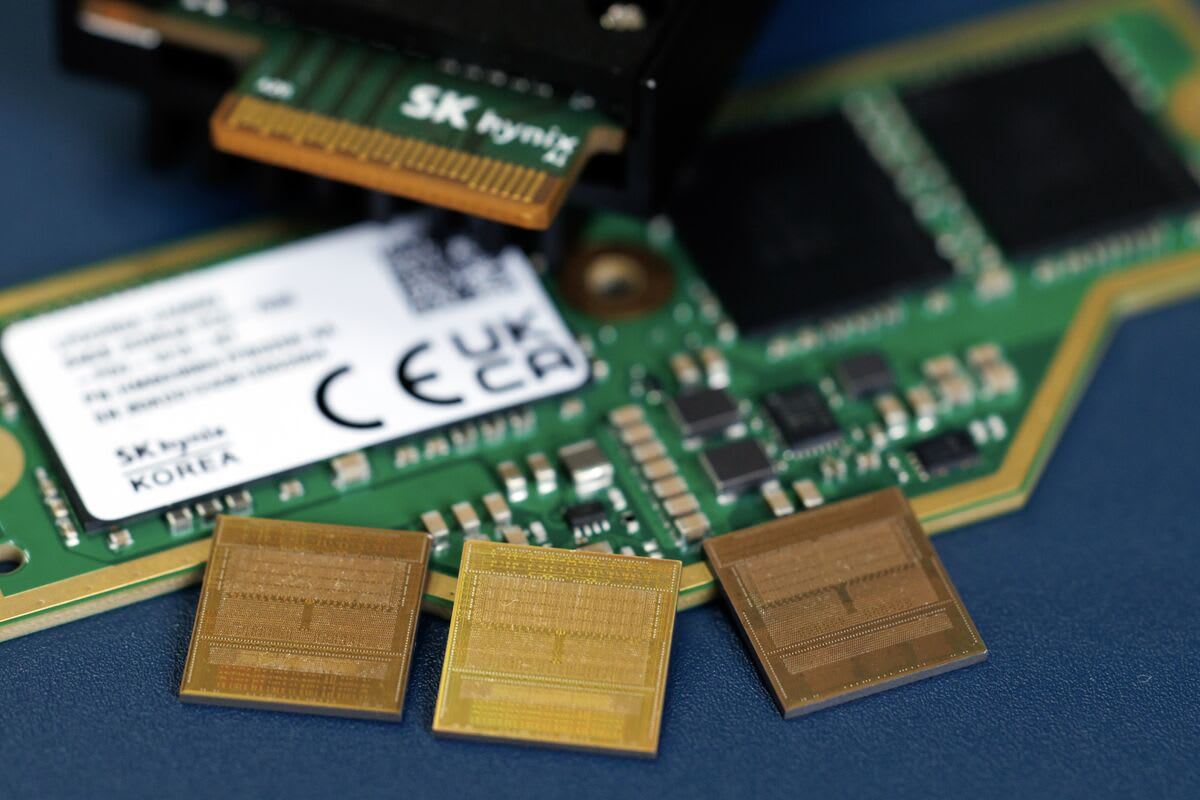
gamesbeatenglish.aawsat+1english.aawsatA global memory chip shortage that industry insiders have dubbed "RAMaggedon" is sending prices for consumer electronics sharply higher, as chipmakers redirect production capacity toward the insatiable demands of artificial intelligence data centers.
Samsung Electronics warned this week that the shortage will likely deepen in 2027 and remain tight through at least 2028. A new report from Deloitte projects that AI server DRAM costs roughly doubled during the first quarter of 2026 alone, with a fourfold increase expected for the full year — and no meaningful supply relief arriving until 2029 or 2030.gamesbeat+2
The crisis stems from chipmakers pivoting production to high-bandwidth memory used in AI servers, squeezing supply of conventional RAM and DRAM for everyday devices. TrendForce analyst Ellie Wang said memory prices for PCs and smartphones are now five to six times higher than a year ago.english.aawsat
The impact is visible from Hong Kong to New Zealand. Ken Tam, manager of a custom PC shop in Hong Kong's Wan Chai Computer Center, told AFP that 16 gigabytes of RAM has jumped from HK$300–400 to HK$1,500, and his business has halved since price rises began in September. In New Zealand, a memory kit that cost NZ$150 last July now runs NZ$850, according to one electronics retailer. Craig Young, chief executive of the Technology Users Association, said high-end smartphones are up around 30 percent while entry-level laptops have risen 10 to 20 percent.1news+1
Xiaomi has raised prices across multiple product lines in China, with increases of 300 to 500 yuan per device. Executive Lu Weibing described the situation as the industry's worst crisis in a decade, noting memory prices now stand at four times their level from early 2025. Nvidia has raised graphics card prices 10 to 30 percent, and automakers warn that in-vehicle computing costs could soon push up new car prices.zamin+2
Deloitte anticipates the three largest memory producers — Samsung, SK hynix , and Micron — may increase combined capital expenditure nearly 340 percent between 2024 and 2027. But new fabrication facilities take three to five years to build, meaning the spending will not ease prices in the near term.gamesbeat
Global PC shipments fell 4.9 percent in the second quarter of 2026, ending more than two years of uninterrupted growth. Consumers worldwide are responding by repairing and upgrading existing devices rather than buying new ones.theradar+2
Unlike previous memory boom-bust cycles that corrected within 12 to 18 months, Deloitte warns the current crisis is structurally different. Hyperscaler capital expenditure is expected to exceed $1 trillion in 2026, with roughly 30 percent directed toward memory purchases. Memory sales are forecast to surpass $1 trillion in 2027, up from $230 billion in 2025.gamesbeat
ChangXin Memory Technologies, which became mainland China's most valuable company upon its Shanghai market debut this week, may offer some competition in conventional DRAM — but remains far behind in leading-edge technologies, according to Omdia analyst James Zhao. For now, as graphic designer Charles Brousse put it from Tokyo's Akihabara district, the fact that the crisis is driven by what he called a "speculative bubble" in AI makes it all the more frustrating.english.aawsat