


Newsletter Subscribe
Enter your email address below and subscribe to our newsletter
[forminator_form id="25163"]

All voices matter
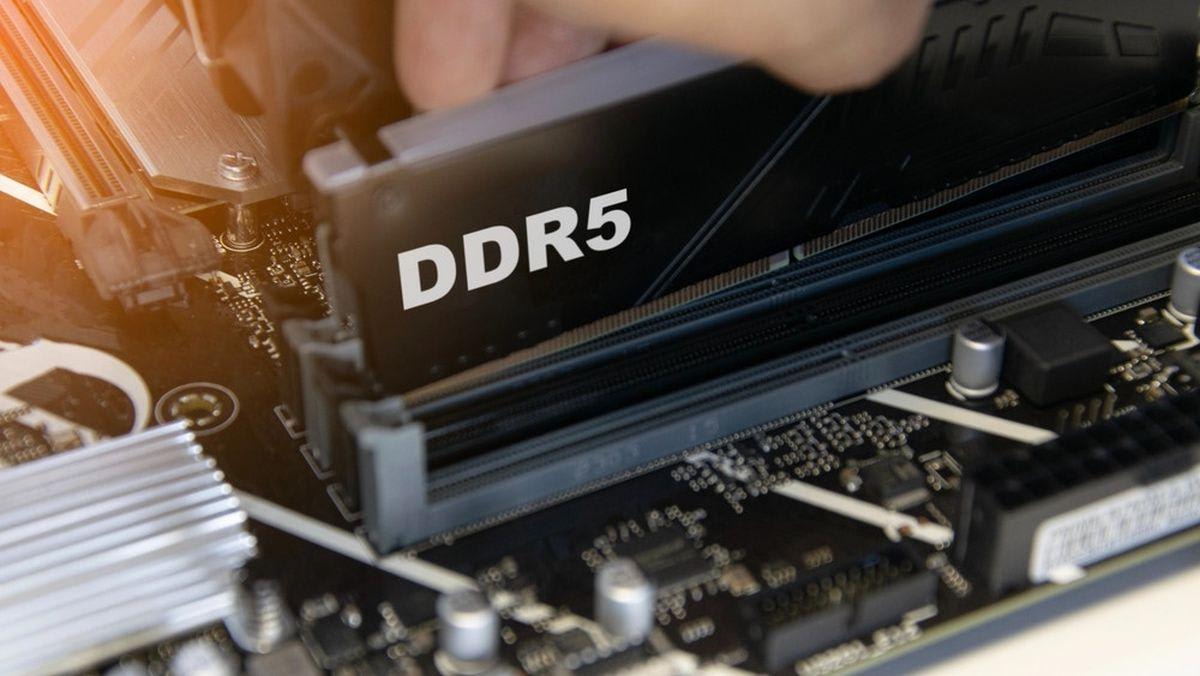
se7enhowtogeek+1techround+1Standard DDR5 memory kits in Germany now cost 4.9 times what they did a year ago, a 486% increase since July 2025, according to research from German price comparison platform Geizhals. Between July and August 2026 alone, memory prices rose another 9%, with further double-digit monthly increases expected.se7en
The spike is part of a global memory crisis driven largely by insatiable demand from AI data centers, which require vast quantities of high-bandwidth memory, DRAM, and storage to operate. As suppliers prioritize AI hardware, supply available for consumer PCs and other devices has tightened sharply.
The ripple effects are now hitting consumers hard. IDC forecasts average PC selling prices will rise 18.3% in 2026, while global PC shipments are expected to fall 11.3% year-over-year. In the second quarter of 2026, shipments already fell 4.9%, the first decline in over two years.idc+2
Tom's Hardware reported that memory prices have climbed roughly 500% over the past 12 months, with a 128GB DDR5 kit now priced at $3,399 in the United States. Counterpoint Research confirmed that memory prices surged 80-90% quarter-over-quarter from late 2025 into early 2026.sourceability+1
Dell , HP , and Lenovo have all raised prices between 10% and 30% as DRAM and NAND costs escalate. Lenovo has raised PC prices twice this year, according to Reuters, while also shifting toward more premium products. TrendForce reported that Dell initially hiked prices 15-20% in late 2025, with Lenovo following suit in January 2026.techround+1
IDC does not expect memory shortages to ease until early 2028, and industry forecasts suggest pricing is unlikely to return to 2025 levels even as capacity eventually expands. The memory crunch is also expected to raise prices for smartphones, graphics cards, and other devices with onboard memory.howtogeek+2
Despite falling unit shipments, major PC makers have reported higher overall revenues as demand for premium, AI-capable machines offsets losses from budget segments. The broader question for consumers is stark: ordinary laptops still need the same memory components now being vacuumed up by AI infrastructure, meaning buyers may pay more for the same performance they would have received a year ago for less.techspot+1


