Newsletter Subscribe
Enter your email address below and subscribe to our newsletter
[forminator_form id="25163"]

All voices matter
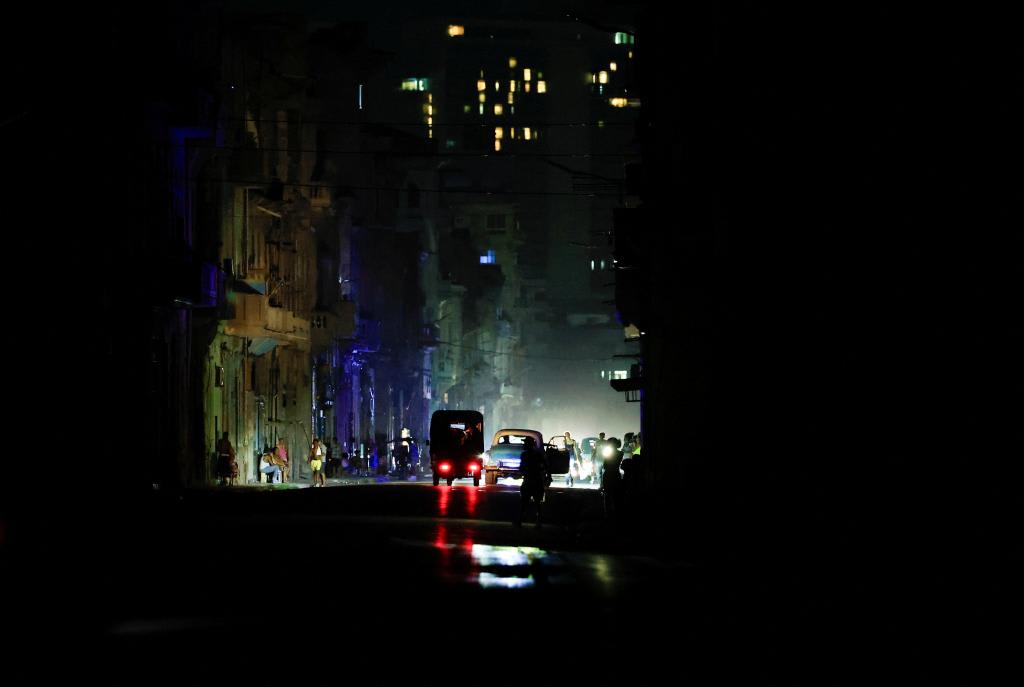
aljazeera+1miamiherald+1bbc+1Cuba's national electrical grid failed for the second time in five days on Friday, plunging the island of nearly 10 million people into darkness and intensifying what observers describe as one of the country's worst humanitarian crises in decades.
The Friday blackout followed a similar collapse on Monday, July 6, bringing the total number of nationwide outages to at least four since the start of 2026. Authorities attributed the latest failure to "a fluctuation in the parameters" following a breakdown in a transmission line connecting provinces. The state-run Electric Union of Cuba announced a "total disconnection of the national electric power system" during Monday's outage and said it was investigating the cause.aljazeera+3
The repeated grid failures stem from a fuel blockade imposed by the United States beginning in February 2026, which compelled Cuba's primary oil suppliers to halt shipments. The island's aging Soviet-era power infrastructure, already strained by decades of underinvestment, has buckled under the shortage. In recent days, generation deficits have exceeded 2,000 megawatts during peak hours, leaving two-thirds of the country without power simultaneously. Residents in parts of Havana and rural areas have reported electricity cuts lasting 30 to 70 hours at a stretch.cnn+3
The energy crisis has triggered protests across the island. The BBC reported demonstrations in Havana on July 7, as Cubans took to the streets to demand relief from the relentless blackouts. Nighttime cacerolazo protests have recurred since March.bbc+1
The grid's collapse on Monday coincided with a UN General Assembly debate on the U.S. embargo. Cuba's Foreign Minister Bruno Rodríguez Parrilla told the Assembly that "the hostility and threats that Cuba faces today" amount to a systematic violation of human rights, denouncing the embargo as "silently killing and suffocating Cuba". U.S. Ambassador to the UN Mike Waltz countered that Cubans "need food, they need fuel, they need medicine, electricity, and freedom — and a government that finally" provides them, placing blame for the shortfalls on Cuban authorities. Rodríguez called Waltz "a liar" in response.radioangulo+3
The UN System in Cuba launched a $94.1 million emergency appeal in March, warning that continued fuel scarcity risked a full-scale humanitarian catastrophe. With bilateral talks at a standstill and no resolution in sight, Cuba faces an uncertain summer of rolling darkness.thinkglobalhealth+1