Newsletter Subscribe
Enter your email address below and subscribe to our newsletter
[forminator_form id="25163"]

All voices matter
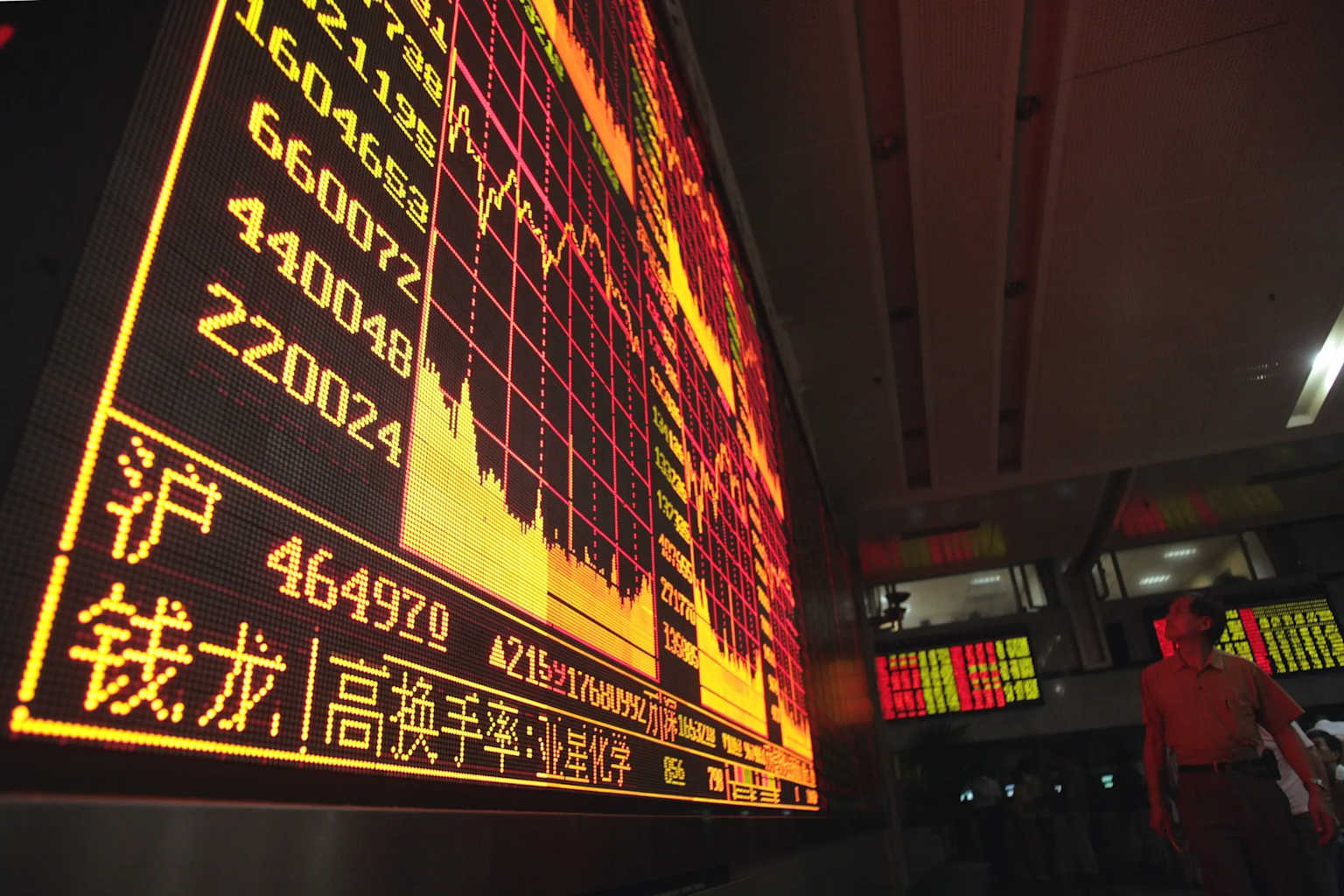
cnbctv18.com.cnbc.com+1.economictimes.com+1.Chinese stocks kept falling on Friday, October 23, one day after entering a bear market. Purchases by state-backed funds have so far failed to win back investors. The onshore CSI 300 Index fell as much as 1.6% in Friday trading, which put its loss for the week near 5%, the most in three months. It also broke through the closely watched 4,000 level, CNBC-TV18 reported.economictimes.com
The selloff is a test of whether Beijing can steady its markets. Funds linked to the government have stepped up buying, but momentum keeps weakening and investors are unwilling to buy just because prices look cheap.
On Thursday, October 22, the CSI 300 closed 1.8% lower. That left it 20% below its June high, past the usual threshold for a bear market. Bloomberg reported that Chinese stocks have lost $2.4 trillion in value since a peak in May. It pointed to weak consumer spending and growing doubts about whether artificial intelligence companies will turn a profit. The index closed at 4,036.30, its lowest level since July 2025, according to Reuters reporting carried by The Economic Times. CNBC Comcast Corporation noted that the gauge had already fallen for 10 straight weeks.economictimes.com+2
Selling was heavy in Hong Kong too. The Hang Seng Index had its biggest one-day drop since March, the South China Morning Post reported. Bloomberg's The China Show called its October 22 episode "China Stocks Drop Most Since Liberation Day".bloomberg.com+1
Exchange-traded funds favored by China's "national team" of state-backed investors took in 46 billion yuan ($6.89 billion) on Thursday. That was the largest inflow since the tariff rout that followed Liberation Day in April 2025, according to data compiled by Bloomberg. Before that, there was no official confirmation that state funds were buying more, though the size and timing of the flows had convinced many traders.finance.yahoo.com+1
The amount of support has been modest compared with earlier state selling. Central Huijin raised $231 billion by selling ETFs in the first half of the year. Bloomberg Intelligence analysts estimate it has put only about $43 billion back into the market since it resumed buying in July, Yahoo Finance reported. The same analysts warned that state buying alone may not bring a lasting recovery.finance.yahoo.com
Investors are disappointed that Beijing has not announced a broad spending package. Economic growth is also only barely meeting national targets, Bloomberg reported. In Hong Kong, a gauge of Chinese technology shares is about 2.5% away from wiping out all its gains since Beijing's stimulus push in September 2024, according to CNBC-TV18.bloomberg.com+1
Jade Fu of UBS Asset Management said on Bloomberg TV that some stocks look like good value after the selloff, but "cheapness alone is not the catalyst." She added that "we also need to assess growth, investor behaviour, momentum and I think these are quite challenging right now," CNBC-TV18 reported.cnbctv18.com