Newsletter Subscribe
Enter your email address below and subscribe to our newsletter
[forminator_form id="25163"]

All voices matter
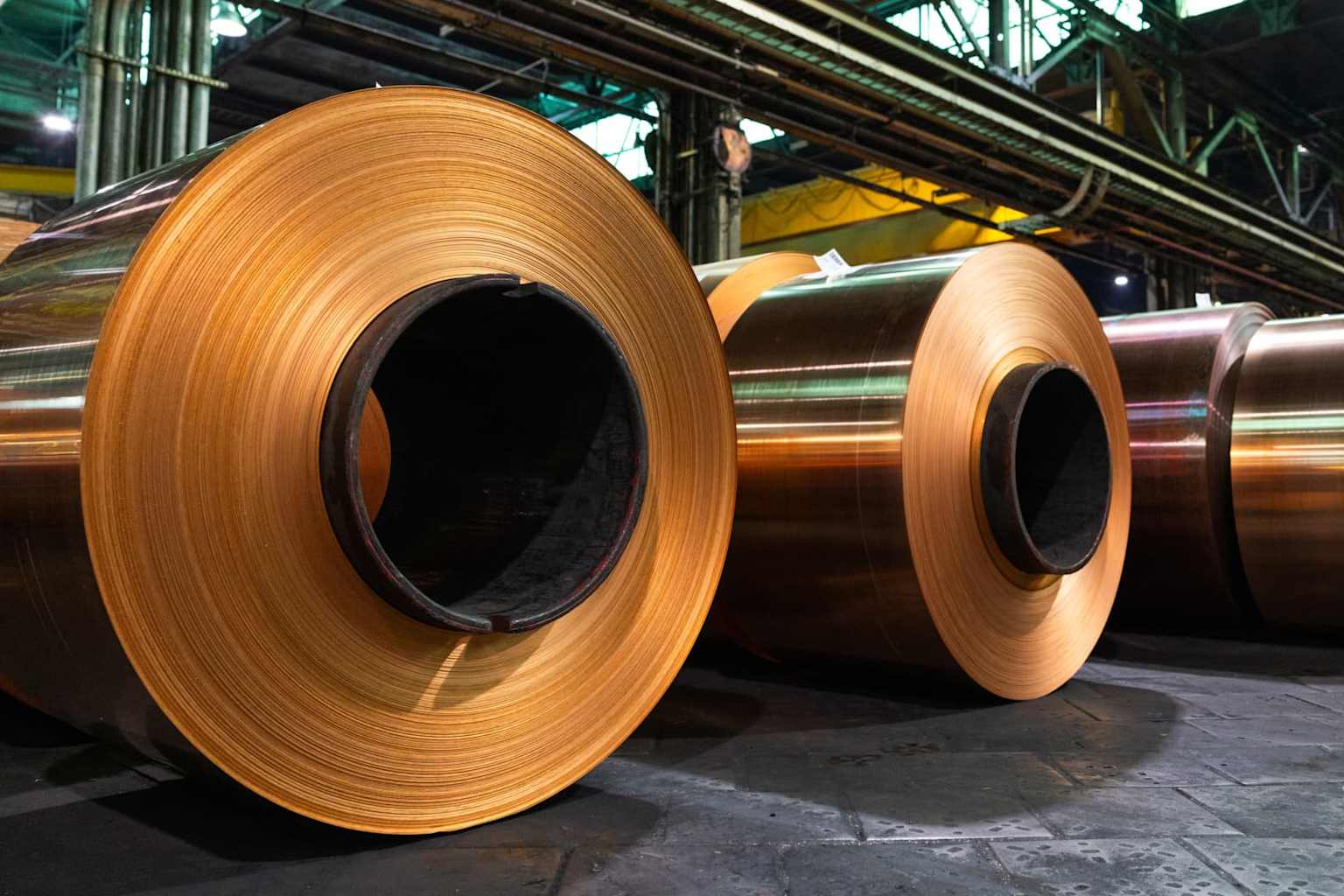
aabloomberg+1aaCopper surged to a new all-time high on Monday, reaching as much as $6.73 per pound on US futures markets as intensifying demand from artificial intelligence infrastructure, renewable energy buildout, and a deepening supply squeeze pushed the metal into uncharted territory.
The record extends a rally that has seen copper gain roughly 18% in 2026, according to Anadolu Agency, driven by accelerating global investments in data centers, power transmission systems, and electrification projects. Copper later pulled back to settle near $6.56 per pound.tradingeconomics
The rally comes as a severe supply crunch grips global copper markets. Bloomberg reported that a surge in copper shipments to the United States in anticipation of potential import tariffs has created a market squeeze, pushing prices close to record highs as buyers scramble to secure supplies. On the London Metal Exchange, soaring price spreads have highlighted the increasingly constrained physical availability of the metal.bloomberg
A warehouse bidding war on the LME has further tightened conditions, with the August contract trading at a premium of as much as $370 per tonne over September futures — the widest one-month spread since the 2021 squeeze that forced the exchange into emergency intervention.mining
Analysts pointed to the AI sector as the most powerful new source of copper demand. Zafer Ergezen, a futures and commodities expert, told Anadolu that massive investments in AI infrastructure — including deals worth $100 billion — are ensuring copper demand will "continue to rise and remain strong".aa
Ole Hansen, head of commodity strategy at Saxo Capital, said intense supply competition between the US and China pushed copper above $6.70 per pound, while major producers struggled to meet production targets.aa
The International Energy Agency noted earlier this year that copper prices had briefly exceeded $14,500 per tonne in January 2026, while the annual treatment charge benchmark between miners and smelters settled at zero — the lowest level ever agreed in annual negotiations — underscoring the strain on supply chains.iea
Beyond AI, disruptions around the Strait of Hormuz and resulting issues in the sulfur supply chain have affected copper production, fueling supply concerns. Slowing US inflation and easing hawkish expectations for Federal Reserve monetary policy have also provided upward support for commodity prices more broadly.aa
CNBC analyzed that while prices have reached record highs, the surge appears driven more by supply shortages and production disruptions than a broad acceleration of the global economy.cnbc+1