Newsletter Subscribe
Enter your email address below and subscribe to our newsletter
[forminator_form id="25163"]

All voices matter
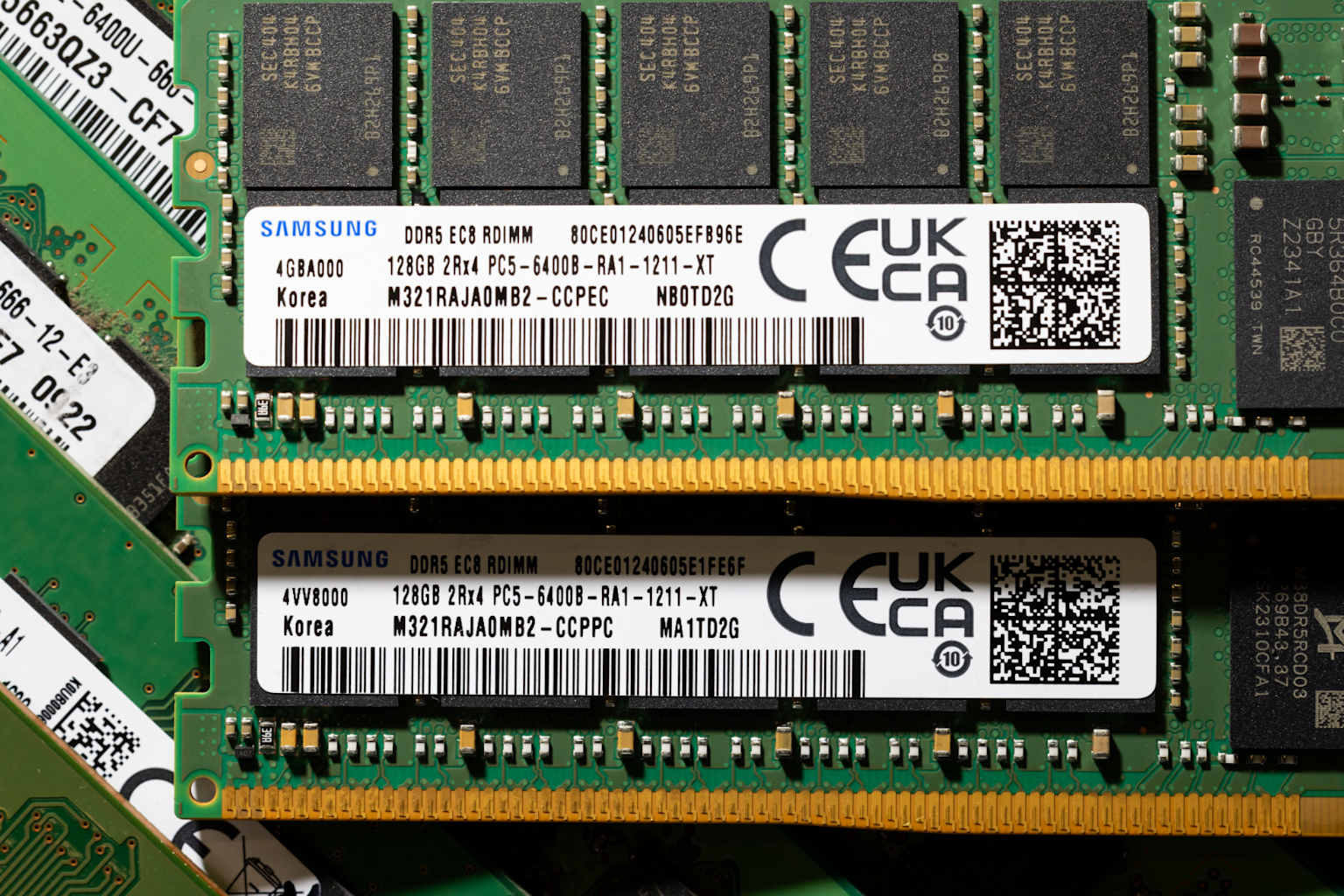
wccftechreutersmorganstanley+1A structural global memory chip shortage, driven by the insatiable demands of artificial intelligence data centers, is forcing consumer electronics makers to raise prices and warning of worse to come. Consumer DRAM and NAND flash prices surged by as much as 89% to 100% in the second quarter of 2026, according to research firm Sigmaintell Consulting, as the three dominant memory producers — Samsung, SK Hynix, and Micron — continue prioritizing high-margin AI chips over conventional modules used in phones, laptops, and gaming devices.news.futunn+1
Morgan Stanley analyst Shawn Kim warned on the firm's "Thoughts on the Market" podcast that PC makers face a 15% memory shortfall in 2027, equivalent to about 58 million units, while smartphone manufacturers could see a 12% gap affecting some 134 million devices.mashable+2
The ripple effects are now reaching store shelves. Apple CEO Tim Cook told The Wall Street Journal on June 17 that price increases are "unavoidable," comparing the crisis to a "hundred-year flood". The Wall Street Journal estimated the upcoming iPhone 18 Pro could cost $1,299, a $200 increase over its predecessor.pcmag+3
Nintendo announced in May it would raise the Switch 2's U.S. price from $450 to $500 effective September 1, citing "changes in market conditions" tied to RAM scarcity. Valve hiked the Steam Deck OLED 512GB model from $549 to $789 — a $240 jump — when restocking in late May after months of being sold out entirely.fastcompany+2
In early June, a coalition of nine U.S. trade associations — representing automakers, retailers, telecom providers, and electronics companies — urged the Trump administration to address the shortage, warning it could disrupt supply chains through at least 2027. Bloomberg reported the groups cited risks to industries ranging from medical devices to broadband infrastructure.bloomberg+1
The root cause is structural: up to 70% of memory chips produced globally in 2026 are destined for AI data centers, and new fabrication capacity takes years to build. Intel CEO Lip-Bu Tan has publicly stated there will be "no relief until 2028", while SK Hynix's CEO has estimated the shortage could persist until 2030.wikipedia+3