Newsletter Subscribe
Enter your email address below and subscribe to our newsletter
[forminator_form id="25163"]

All voices matter
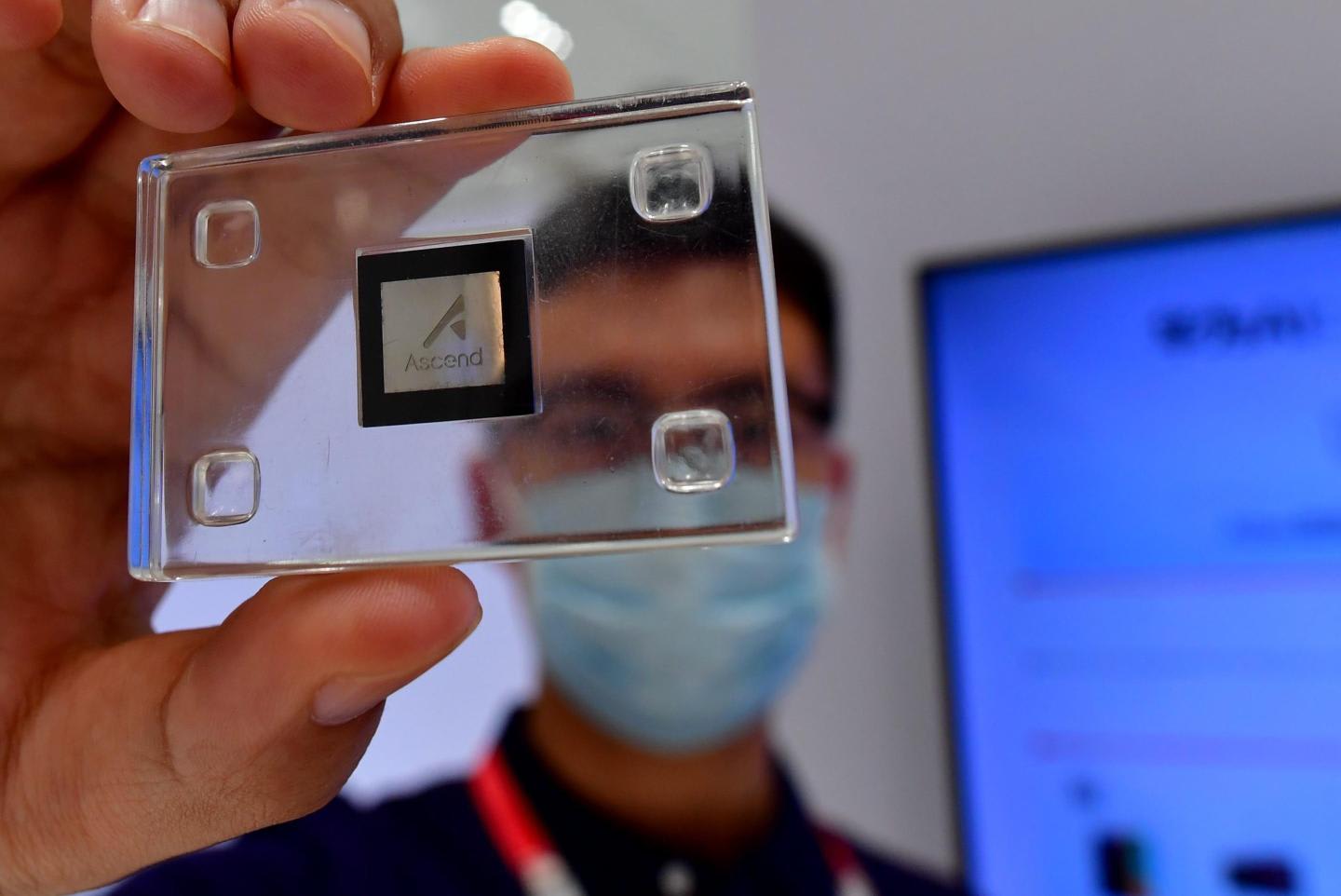
ca.finance.yahoo.com.investing.com.home.saxo.Chinese artificial-intelligence stocks fell on Tuesday, November 17, after Washington moved to cut off one of the main ways Chinese companies get advanced computing power. The country's own chipmakers rose. Alibaba and Baidu led the losses in Hong Kong and pulled the Hang Seng Tech Index lower. Model developers Minimax and Z.AI also dropped, Bloomberg reported. Shares of SMIC Semiconductor Manufacturing International Corporation and Hua Hong Semiconductor went the other way, as investors bet that the curbs will speed up China's shift to homegrown chips.ca.finance.yahoo.com
The Commerce Department issued an interim final rule on Monday, November 16. It requires export licenses for advanced AI chips shipped to Singapore, Malaysia, Thailand, Indonesia and Brazil, according to Investing.com. Overseas data centers that supply significant computing capacity to China-headquartered companies will also need licenses, and existing operators have 90 days to get them. The rule targets a common workaround: Chinese labs and cloud providers rent clusters of Nvidia chips abroad instead of buying the hardware directly. Alibaba was an anchor customer of Singapore-based Megaspeed International, Dow Jones reported, citing The Wall Street Journal News Corp .morningstar.com+1
Tencent and Kuaishou also fell. Nomura analysts wrote that tighter access "could constrain AI model training and slow cloud revenue growth". Baidu's decline also reflected third-quarter revenue that slipped 1% from a year earlier, Investing.com noted. Z.AI, also known as Zhipu, is now down more than 85% from its June peak, Bloomberg reported.au.finance.yahoo.com+2
On the mainland, the CSI Semiconductor Index rallied and Shanghai's STAR50 climbed, Reuters reported. AI chip designer Cambricon and equipment maker NAURA gained. Citi Citigroup Inc. analysts said the harder it gets to obtain compute offshore, the more demand will shift to domestic foundries, equipment makers and AI chip vendors.brecorder.com+2
Analysts expect China's tech sector to keep splitting along these lines. "We expect greater differentiation even within the same sector," Morgan Stanley analysts wrote. Saxo's Charu Chanana called the rule "a meaningful escalation," writing that "what benefits China's domestic chipmakers may simultaneously hurt its AI developers."home.saxo+1
Investors also have other events to weigh. The rule comes days after Jensen Huang resigned as Nvidia's chief executive, Bloomberg noted. Nvidia reports quarterly results after Tuesday's US close, its first report under interim CEO Colette Kress. Xi Jinping, Donald Trump and Vladimir Putin are set to hold a trilateral meeting at the APEC summit in Shenzhen on November 18 and 19.brecorder.com+2
"The AI trade may not be ending, but the assumption that every part of the value chain benefits equally is becoming harder to defend," Chanana wrote.businessinsider.com