
Newsletter Subscribe
Enter your email address below and subscribe to our newsletter
[forminator_form id="25163"]

All voices matter
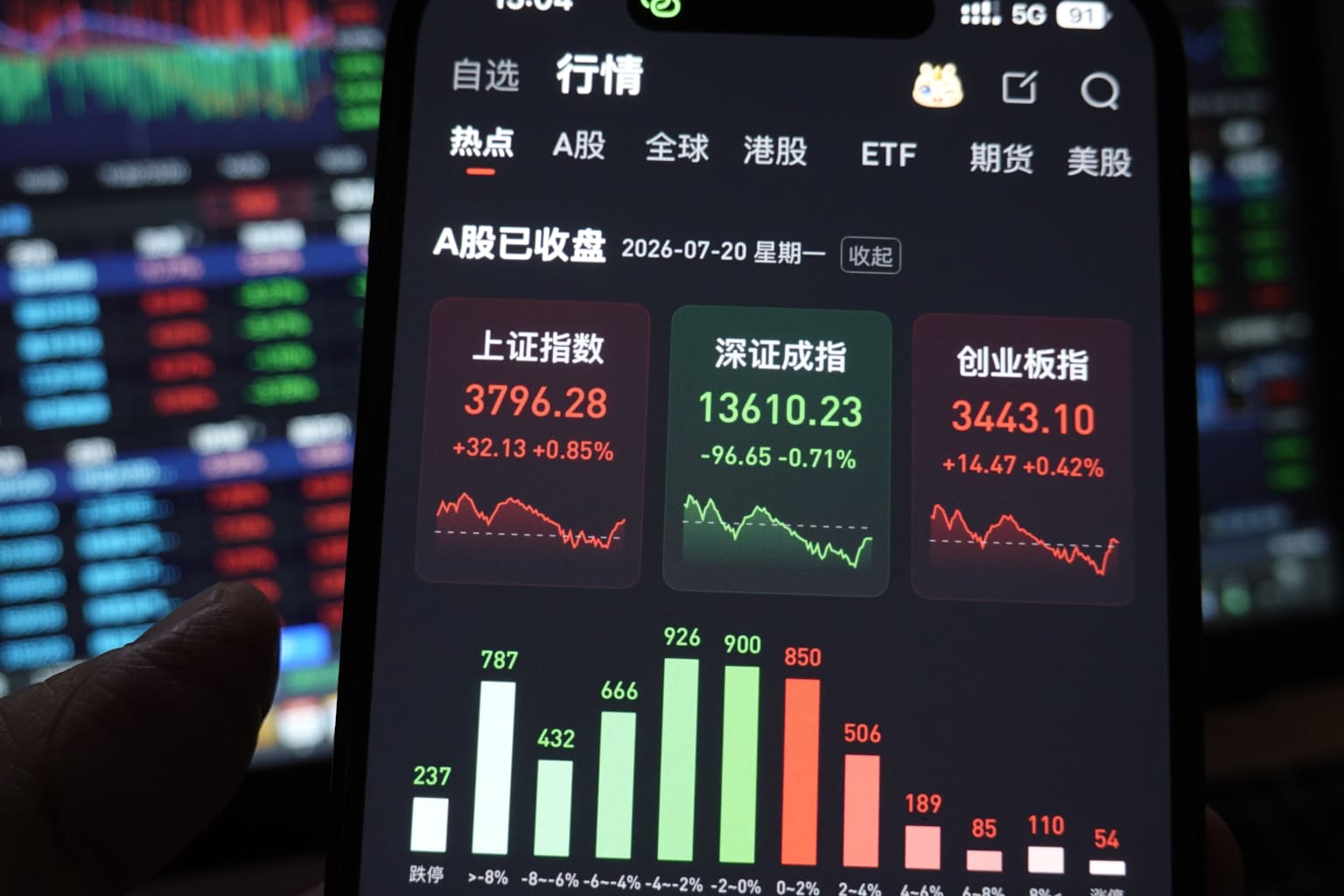
reuters+1wsj+1reuters+1Two of China's largest state-owned investment firms announced roughly 60 billion yuan (approximately $9 billion) in stock purchases over the weekend, moving to stabilize markets after a punishing AI-driven selloff rattled global technology stocks last week.
China Reform Holdings Corporation said entities under its investment arm have deployed more than 50 billion yuan from special relending facilities and matching funds for share buybacks and stake increases. Separately, China Chengtong Holdings Group disclosed cumulative purchases of nearly 10 billion yuan in central state-owned enterprise stocks.bignewsnetwork+1
Both firms said they remain "firmly confident in the prospects of China's economy and capital markets" and pledged to continue buying SOE and technology stocks as well as exchange-traded funds. China Reform Holdings said it would continue using relending programs alongside its own funds to increase holdings.reuters+2
The intervention followed a sharp global selloff triggered by the surprise release of Moonshot AI's Kimi K3 large language model on Friday, July 17. The open-weight model reportedly beat leading American AI systems on a coding benchmark, drawing comparisons to the "DeepSeek moment" earlier in the year.wsj+2
The Philadelphia Semiconductor Index fell more than 20% from its June peak into bear market territory, wiping out an estimated $3.3 trillion in global chip stock market value. The S&P 500 fell 1% on Friday while the Nasdaq Composite slid further.kucoin+2
China's Securities Regulatory Commission was set to meet market participants on Monday to discuss stability measures, according to Reuters. The meeting follows the CSRC's broader pledge earlier this year to make market stabilization a core objective for 2026 and to improve "market-stabilizing mechanisms with Chinese characteristics".reuters+2
Industry insiders cited by Chinese media said market fundamentals had not undergone material changes, characterizing the selloff as driven by shifts in sentiment rather than underlying economic deterioration.news.futunn