Newsletter Subscribe
Enter your email address below and subscribe to our newsletter
[forminator_form id="25163"]

All voices matter
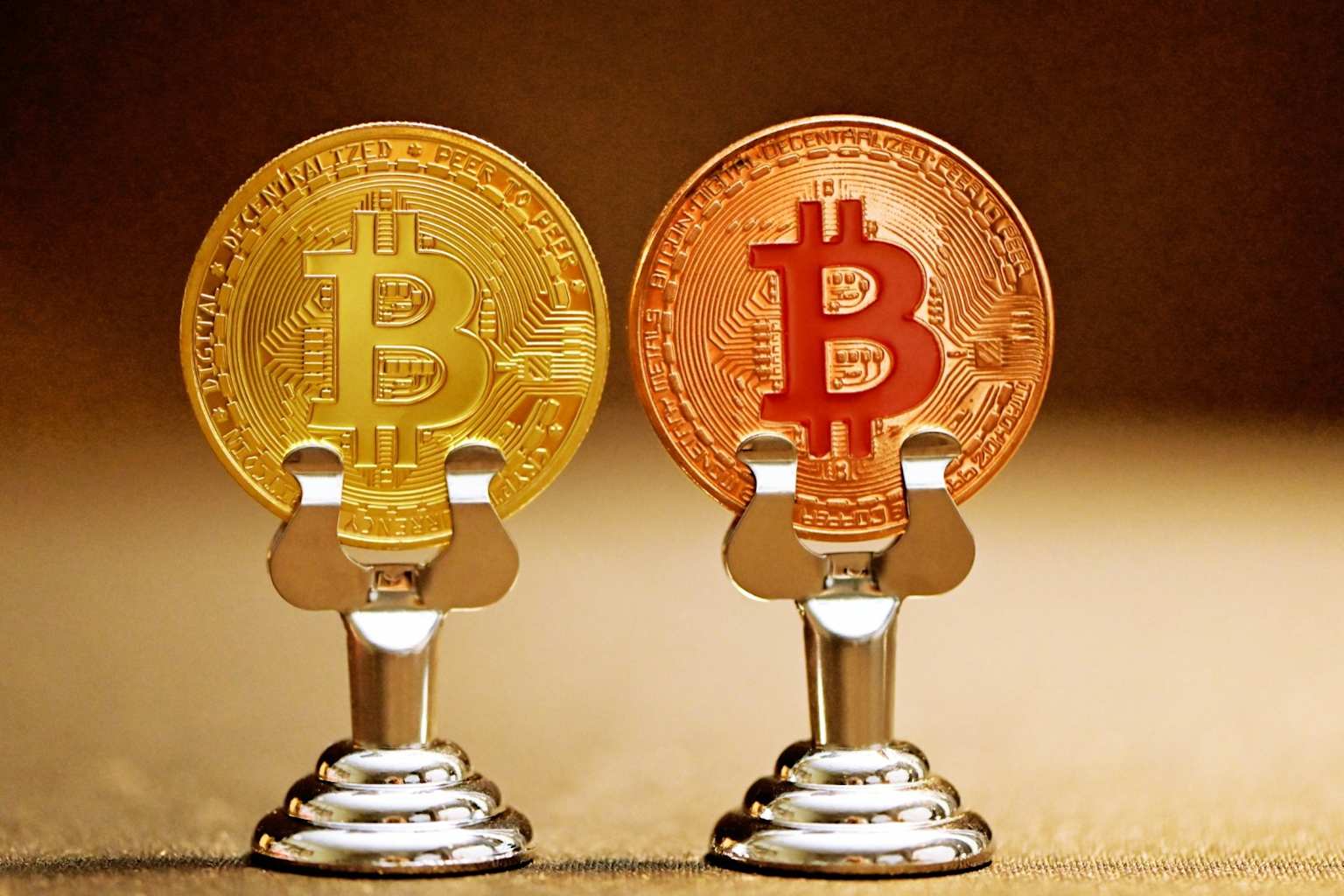
bitcoinmagazine+1cryptorankcryptorank+1Bitcoin is approaching a moment of truth as the controversial BIP110 soft fork reaches its mandatory signaling deadline at block 961,632, expected around August 8. With miner support stuck near 2.6%, the most likely outcome is that BIP110-enforcing nodes simply stall — but the possibility of a chain split, however remote, has put the broader Bitcoin community on alert.
BIP110, formally the Reduced Data Temporary Softfork, would cap arbitrary data in Bitcoin transactions for approximately one year. Written by pseudonymous developer Dathon Ohm with technical input from Bitcoin Knots maintainer Luke Dashjr, the proposal ships only in Bitcoin Knots — a minority client — and has not been adopted by Bitcoin Core, which remains the dominant node software.bitcoinmagazine
On August 6, Ohm issued a public warning telling miners and users to abandon Bitcoin Core, calling it "insecure" once mandatory signaling begins. "All miners must begin signaling readiness for BIP-110 (versionbit 4) by that time, or their blocks will be discarded as invalid," he wrote.cryptorank
The BIP110 signaling monitor shows just 47 of 1,806 recent blocks carrying the signal — a rate of 2.60%, far below the 55% needed for early lock-in. With roughly 217 blocks remaining in the current period, the maximum reachable total is approximately 263 signals, making voluntary activation mathematically impossible.cryptorank
Michael Saylor, co-founder of Strategy , posted on August 4 that BIP110's "backers should stand down." He wrote: "Unless major miners reverse, Bitcoin continues normally while BIP-110 stalls or forks into irrelevance". Blockstream CEO Adam Back has also flagged chain split risk, dismissing BIP110 as a "stupid idea" that "doesn't have consensus".x+1
According to Bitcoin Magazine's Aaron van Wirdum, three scenarios exist. In the most likely outcome, almost no miners signal, and BIP110 nodes simply stop seeing new blocks — effectively stalling. For the vast majority of the network running Bitcoin Core, nothing changes. In the less likely event that a sizable minority of miners both signal and reject non-signaling blocks, a chain split would produce a slower minority chain alongside the original, creating what would amount to a new cryptocurrency — similar to the 2017 Bitcoin Cash fork.bitcoinmagazine
One exchange, referenced by CryptoNews.net, indicated it may temporarily pause activity while monitoring the situation. For holders, the practical advice remains straightforward: self-custody your Bitcoin and avoid sending transactions until clarity emerges on whether any split materializes.cryptonews+1