Newsletter Subscribe
Enter your email address below and subscribe to our newsletter
[forminator_form id="25163"]

All voices matter
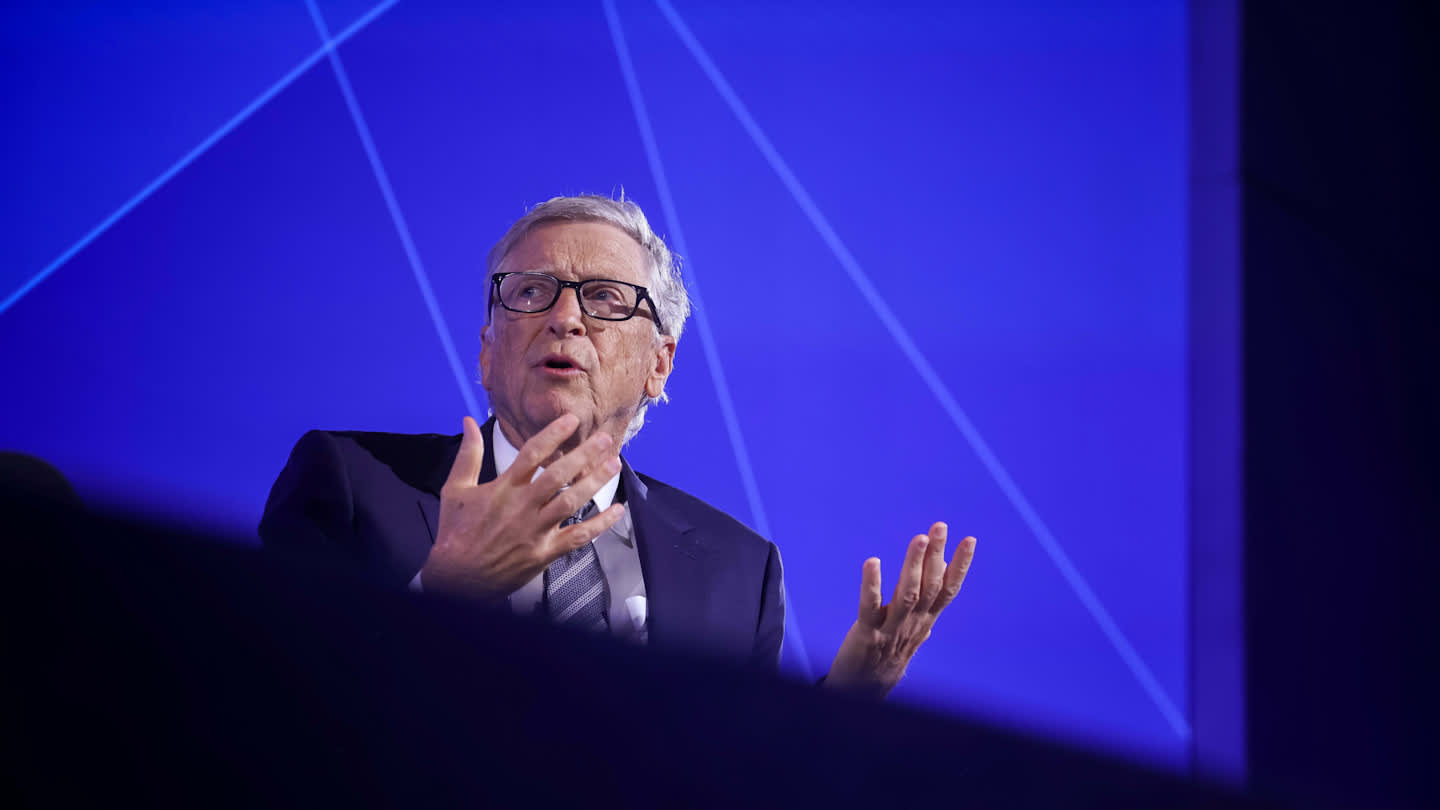
gatesnotes+1aol+1yahoo+1Bill Gates warned Wednesday that governments are not prepared for a "turbulent AI era" and proposed that society designate certain jobs as "Human Reserved" — work that machines could perform but that people deliberately keep for humans.
In a nearly 6,000-word essay published on his GatesNotes website, the Microsoft co-founder called on policymakers to act before workers are "displaced or underemployed," outlining a vision in which some occupations would be permanently protected from automation while others would receive temporary shields for workers unable to retrain.washingtonpost+1
Gates drew an analogy to nature reserves, arguing that just as societies choose not to develop certain lands to preserve something valuable, they should treat human labor with similar care. In an interview with Axios, he named childcare and jury service as roles humans are clearly better suited for, and said education and healthcare should remain a mix of human and AI involvement rather than face blanket exclusion.yahoo+1
He estimated that at most 40 percent of jobs could realistically be reserved for humans — "as high as I can get," he told Axios — leaving the majority of the labor market exposed to whatever changes AI brings.thenextweb+1
The proposal has two tiers: permanent human-only designations for some roles, and temporary protections for workers nearing the end of their careers who cannot pivot to entirely different fields.yahoo+1
Gates also called for taxing AI tokens and robots to reduce companies' financial incentives to automate. He argued that the current tax system "nudges you toward replacing people with machines" because employers pay payroll taxes on workers while robots can be written off as business expenses.aol+1
The approach echoes proposals from other AI leaders. Anthropic CEO Dario Amodei has called for tax policies targeted at AI companies, while OpenAI has proposed taxes tied to automated labor.aol
The jobs proposal sits within a wider argument. Gates wrote that AI poses three risks leaders are unprepared for: mass job displacement particularly among young people, criminals gaining new capabilities, and children's development being stunted by AI companions. He said robots could begin competing with construction and hospitality workers "by the end of the decade" and that customer support, software engineering, and paralegal work face the most immediate pressure.thenextweb+1
"Waiting until people are already displaced or underemployed will be too late," Gates wrote. "AI is a structural challenge to the way our economy is organized, and it requires thinking and action now."aol