Newsletter Subscribe
Enter your email address below and subscribe to our newsletter
[forminator_form id="25163"]

All voices matter
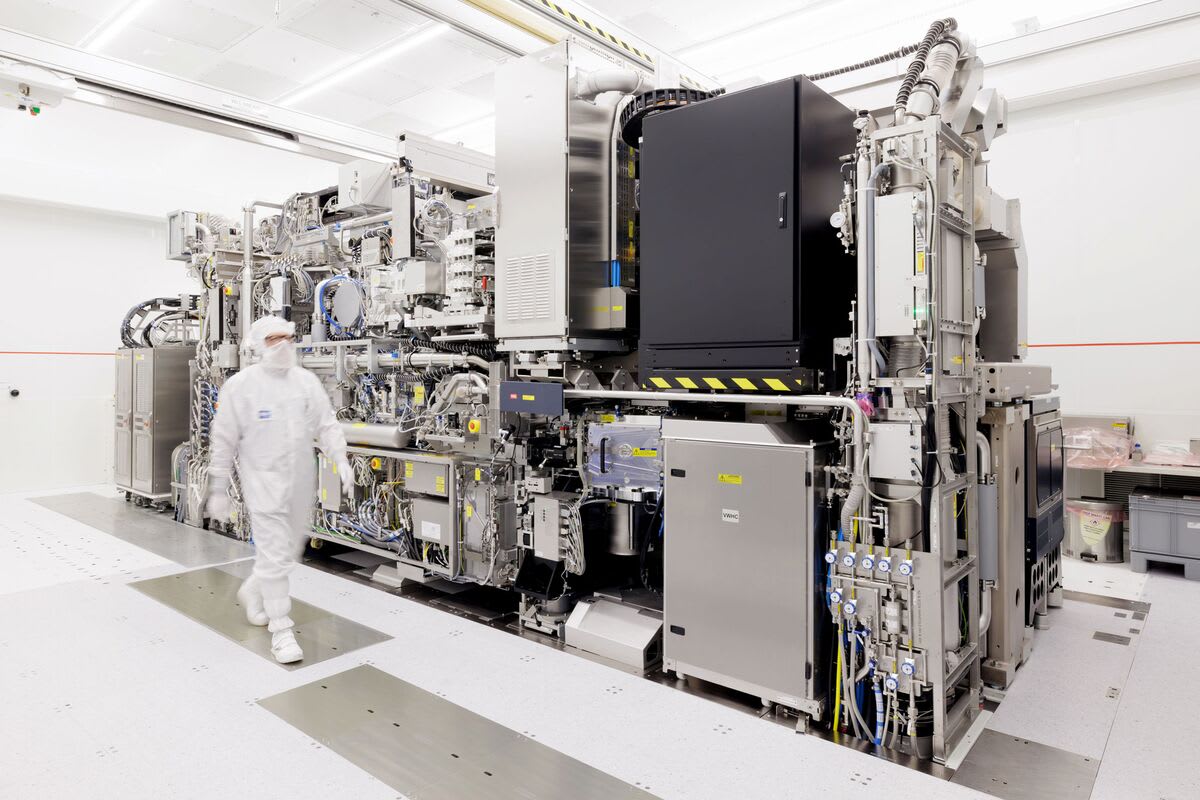
theinformation+1cnbctheinformation+1ASML , the world's sole manufacturer of extreme ultraviolet lithography machines, is planning price increases for its chipmaking equipment even as its largest customer, Taiwan Semiconductor Manufacturing Co. , resists the move, according to a report published Tuesday by The Information.
The Dutch semiconductor-equipment maker has discussed raising prices for its EUV systems with TSMC and separately informed some customers, including Chinese chipmakers, that it intends to charge roughly 10 percent more for its deep ultraviolet systems, The Information reported, citing four people with knowledge of the discussions. Some Chinese firms have agreed to the higher DUV pricing, but TSMC has already begun to push back against ASML's plans, highlighting growing tensions in the chip supply chain.news.bloomberglaw+3
The pricing discussions emerged alongside ASML's second-quarter earnings report on Wednesday, in which the company raised its full-year sales forecast for the second time in 2026. ASML now expects annual revenue between €43 billion and €45 billion with a gross margin of 54 to 56 percent, up sharply from prior guidance of €36 billion to €40 billion. The results reflect continued strong demand from customers building out AI chip manufacturing capacity.cnbc
CFO Roger Dassen, who hosted ASML's investor call Wednesday alongside CEO Christophe Fouquet, has previously indicated the company sees room for price increases given the strength of demand for its tools.leverageshares+2
ASML's pricing leverage stems from its unchallenged position as the only company capable of producing EUV lithography systems, which cost roughly $380 million apiece. Its newest high-NA EUV machines run at approximately double that price. TSMC, which accounts for a substantial share of ASML's revenue, signaled its sensitivity to equipment costs earlier this year when it unveiled chip fabrication advances designed to produce smaller, faster chips without requiring ASML's most expensive next-generation tools.investors+1
The pricing dispute underscores a broader tension: as AI-driven demand gives ASML unprecedented leverage, even its most powerful customers face difficult choices about how much they are willing to pay to maintain their technological edge.