Newsletter Subscribe
Enter your email address below and subscribe to our newsletter
[forminator_form id="25163"]

All voices matter
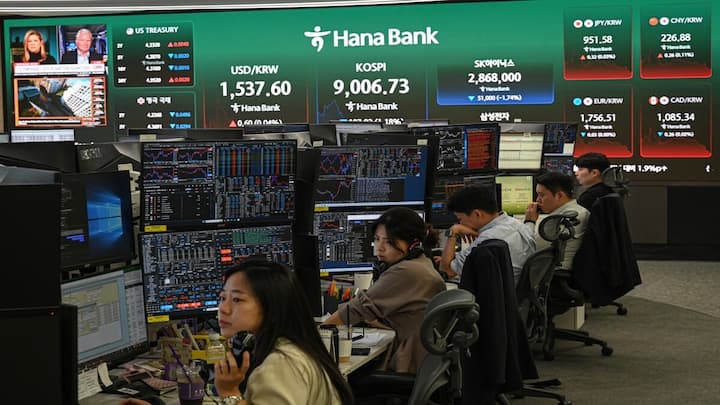
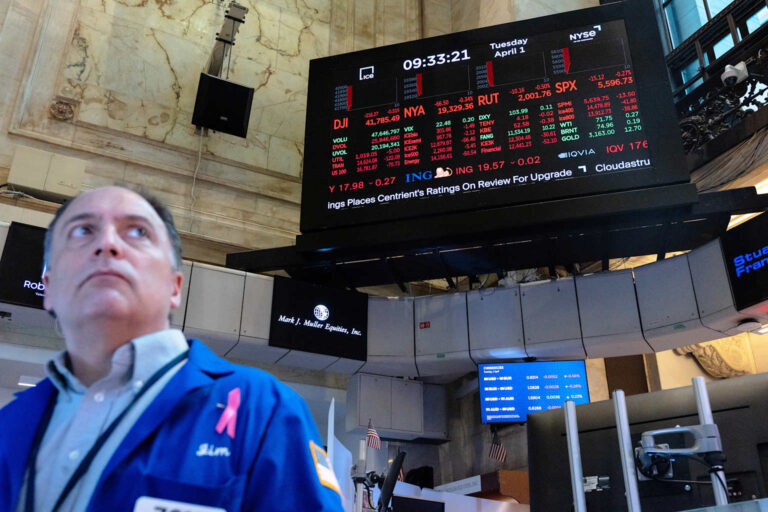
moneycontrol+1moneycontrolmoneycontrolAsian equity markets fell broadly on Wednesday, August 19, as a semiconductor selloff that began on Wall Street rippled across the region, dragging major chip stocks lower while elevated bond yields and geopolitical tensions kept investors in a defensive posture.
The MSCI Asia Pacific equities benchmark slid over 1%, with South Korea's Kospi plunging nearly 6% as semiconductor heavyweights Samsung Electronics and SK Hynix both declined around 7% in Wednesday trading. The declines followed a 5% drop in a closely watched US gauge of semiconductor stocks on Tuesday. Japan's Nikkei 225 also fell, while contracts for the Nasdaq 100 edged lower after the underlying index slid 1.7% in New York.moneycontrol+2
The S&P 500 dropped 0.7% on Tuesday, leaving both major US indexes with three straight sessions of losses.bloomberg
Elevated US Treasury yields compounded the selling pressure. The 30-year yield touched 5.34% on Tuesday before settling at 5.28%, while the 10-year yield reached 4.75% — levels near the highest since early 2025. Brent crude rose to $91.30 a barrel amid a deadlock between the US and Iran over control of the Strait of Hormuz.moneycontrol
"With the outlook for the Middle East remaining uncertain and yields staying elevated, markets are likely to remain in risk-off mode today," said Kazunori Tatebe, chief strategist at Daiwa Asset Management. He added that higher yields would increase borrowing costs for hyperscalers, raising questions about capital spending and the outlook for AI infrastructure companies.moneycontrol
Investors are also reassessing US monetary policy, with more than a third of traders now pricing in a Federal Reserve rate increase. Minutes from the Fed's latest meeting, due Wednesday, may offer clues on policymakers' thinking at a time when Chairman Kevin Warsh has scaled back communications.moneycontrol
"The market doesn't really love the fact that we don't have forward guidance," said Kay Herr, US chief investment officer for JPMorgan's global fixed-income, currency, and commodities team, on Bloomberg Television.moneycontrol
Middle East tensions intensified further after the United Arab Emirates said two ballistic missiles fired from Iran fell into the sea, marking the Islamic Republic's first known attack on the Gulf nation since May. "Inflation risks have piled up on top of fiscal concerns, driving up US long-term yields," said Dan Pan, Americas economist at Standard Chartered. "Risk sentiment generally remains cautious."moneycontrol