Newsletter Subscribe
Enter your email address below and subscribe to our newsletter
[forminator_form id="25163"]

All voices matter
chosun+1letsdatasciencetechcrunch+1Asia-Pacific markets opened to mixed trading on Friday, July 3, as investors continued to rotate out of technology stocks following two consecutive days of heavy losses in the semiconductor sector, while U.S. markets remained closed for the Independence Day holiday.palmbeachpost+1
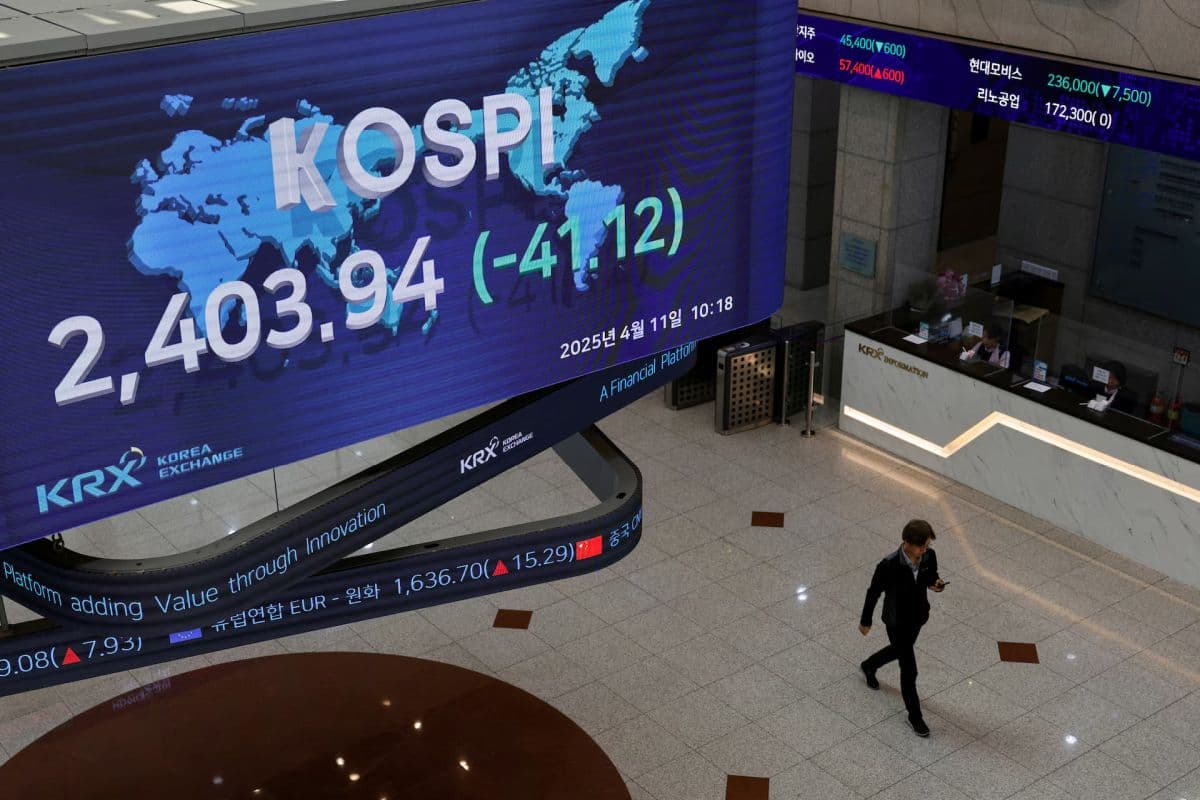
Japan's Nikkei 225 fell 0.86% at the open, extending losses after closing down 2.5% in the prior session. The broader TOPIX edged up 0.34%, reflecting a divergence between the chip-heavy benchmark and the more diversified index. South Korea's Kospi rose 0.97% in early trading, staging a partial recovery after its nearly 8% plunge on Thursday — its worst single-day drop in months.wfmz+2
Thursday's rout had been severe across the region. The Kospi closed at 7,648.09, down 7.89%, after sell-side circuit breakers were triggered. Samsung Electronics tumbled 9.06% to 286,000 won while SK Hynix plummeted 14.57% to 2,187,000 won. In Tokyo, chipmaker Kioxia fell more than 13.5%, dragging the Nikkei down alongside losses in Tokyo Electron and Advantest.chosun+3
Chip stocks remained under pressure on Friday. Japan's Lasertec fell 5.8%, Renesas Electronics dropped 6.7%, and SK Hynix slid 1.9%. Samsung Electronics, however, bucked the trend, rising 1.4% after The Information reported that AI startup Anthropic was in preliminary talks with Samsung to manufacture a custom AI chip. Anthropic is exploring Samsung's 2-nanometer process and advanced packaging capabilities, though the project is at an early stage and may not proceed.finance.yahoo+3
The broader selloff was triggered by a sharp decline in U.S. chip stocks earlier in the week. On Wednesday, the Philadelphia Semiconductor Index fell about 6%, with Micron Technology losing 10.6% and Intel sinking 9%. Concerns that AI infrastructure spending may not translate into expected profits, combined with reports that Meta Platforms was weighing entry into cloud computing — a signal to some investors that hyperscaler chip demand could be peaking — fueled the rotation.letsdatascience+2
Despite the recent turbulence, the Kospi and Nikkei 225 have gained roughly 77% and 33% respectively so far in 2026, driven by an extraordinary AI-fueled rally in semiconductor shares. Analysts at Samsung Securities and Mirae Asset have called the recent selloff overdone, noting that the AI investment cycle appears intact ahead of Samsung's July 7 earnings report. With U.S. markets shuttered for the holiday weekend, trading volumes in Asia were expected to remain thin through Monday.morningstar+3