Newsletter Subscribe
Enter your email address below and subscribe to our newsletter
[forminator_form id="25163"]

All voices matter
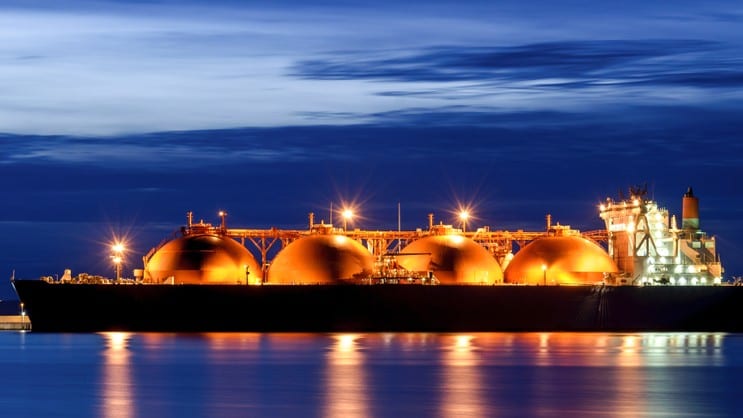
nypost+1fxstreetenglish.aaj+1The reimposition of a U.S. naval blockade on Iranian ports this week has reignited turmoil in global natural gas markets, pushing Asian spot LNG prices to their highest levels since March and driving European benchmark gas futures above key thresholds as buyers scramble for scarce cargoes.
The latest price surge was triggered by a fresh escalation in the U.S.-Iran conflict. On July 14, the U.S. military began enforcing a naval blockade of all Iranian ports and coastal areas, with U.S. Central Command warning that non-compliant vessels could be "legally compelled with force". Iran's Islamic Revolutionary Guard Corps responded by vowing to keep the Strait of Hormuz closed "until the end of America's evils" and threatened to target other regional export routes alongside its Houthi allies in Yemen.nypost+1
Qatar, which operates the world's largest LNG export hub at Ras Laffan, halted all maritime activities following the weekend escalation, according to Yahoo Finance. The disruption echoed the early days of the conflict in February, when the effective closure of the Strait of Hormuz — a waterway that previously carried roughly 20% of the world's LNG trade — sent gas prices soaring globally.finance.yahoo+1
Asian LNG spot prices, measured by the Japan Korea Marker, surged past $19 per million British thermal units this week, rising sharply from levels in the mid-$16 range at the start of July. The Dutch TTF, Europe's primary gas benchmark, broke above 50 euros per megawatt-hour and continued climbing, settling near 55 euros per MWh by mid-week. ING analysts noted that European gas storage stood at just 52% of capacity, well below the five-year average of 68%, leaving the continent exposed heading into the injection season.fxstreet+3
The JKM's continued premium over TTF has prompted LNG cargoes to be redirected toward Asia, tightening European supply further, ING said.fxstreet
Pakistan's LNG market has been among the hardest hit. The country, heavily reliant on Qatari long-term contracts routed through the Strait of Hormuz, has been forced into repeated emergency spot purchases. Pakistan LNG Limited's first July cargo, bought from BP for delivery around June 30 to July 4, cost $16.74 per MMBtu. By mid-July, PLL accepted a bid of $20.69 per MMBtu from PetroChina for a cargo due July 21-22 — nearly 24% more expensive. The tender marked the country's sixth spot purchase since February, as QatarEnergy supply disruptions showed no sign of easing.profit.pakistantoday+3
President Trump warned on Tuesday that the U.S. would expand strikes to target Iranian power plants and bridges unless Tehran agrees to negotiations, suggesting the supply disruptions that have reshaped global gas markets since February are far from over.rfi+1