Newsletter Subscribe
Enter your email address below and subscribe to our newsletter
[forminator_form id="25163"]

All voices matter
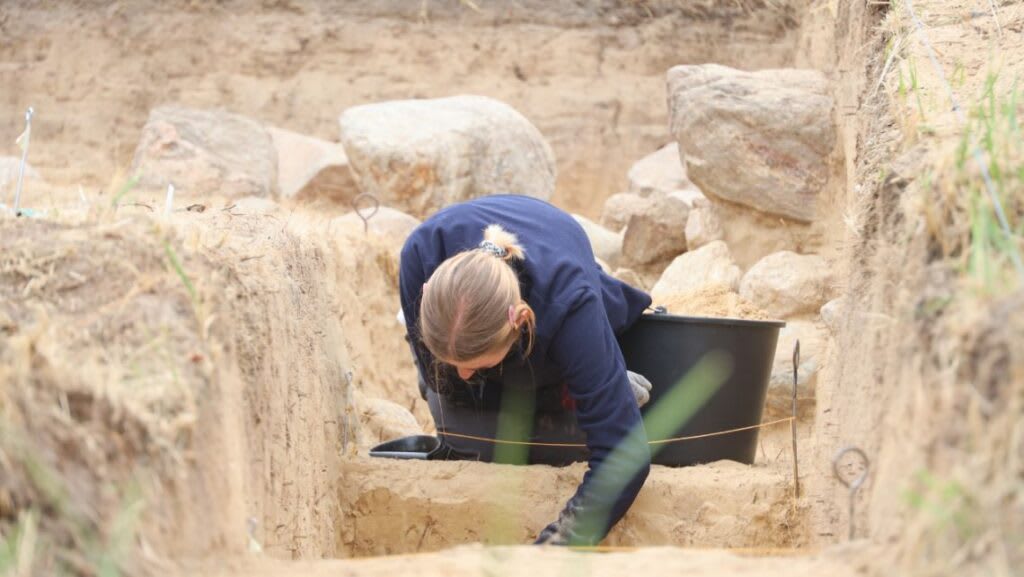
notesfrompoland+1.arkeonews+1.arkeonews.arkeonews.arkeonews+1.Archaeologists in western Poland have uncovered two sets of ancient triangular structures nicknamed "Polish pyramids," containing 5,500-year-old megalithic tombs that were constructed by the Funnelbeaker Culture, one of the region's oldest sedentary agricultural societies.
The Funnelbeaker Culture (TRB), which created the "Polish pyramids," practiced distinctive burial customs centered around communal interment in megalithic structures. These monumental graves served as powerful symbols of social cohesion for these early agricultural communities. Inhumation was the standard practice, with bodies typically placed in a supine position along an east-west axis with heads pointing westward, though regional variations existed. In the Sandomierz Upland, for example, some burials followed a south-north orientation with heads pointing south.scholarlypublications.universiteitleiden+2
The megalithic tombs contained rich grave goods that reflected both practical and ritual significance. Ceramic vessels containing food, amber jewelry, and flint tools—particularly axes, strike-a-lights, and sickles associated with agriculture—were commonly placed with the deceased. Microwear analysis suggests most funerary items had been used in domestic contexts before burial, emphasizing the connection between communal agricultural activities and burial traditions. Evidence indicates that flint knapping may have occurred during burial ceremonies as part of the ritual experience, with certain specialized items like transverse arrowheads and picks potentially manufactured specifically for funerary purposes. This elaborate material culture demonstrates how the Funnelbeaker people integrated everyday agricultural tools into their spiritual practices, reinforcing the communal nature of both their livelihood and their approach to death.ancient-origins+1
Trapezoidal design was a defining characteristic of megalithic architecture across Europe, including the Polish pyramids. These structures featured chambers with trapezoidal or slightly oval floor plans that provided remarkable stability despite their massive size. The trapezoidal shape wasn't merely aesthetic but served practical purposes—it created a visual illusion making the structures appear larger than they actually were by exaggerating perspective. This architectural choice demonstrates the sophisticated understanding of both structural engineering and visual perception among Neolithic builders.wikipedia+1
The construction techniques employed in these megalithic tombs reveal impressive technical knowledge. Builders carefully selected glacial erratics with at least one flat side for walls and roofs, sometimes creating these flat surfaces by splitting stones through heating and quenching. The chambers typically featured horizontal paving despite being built on sloping ground, showcasing the builders' precision. Supporting stones (orthostats) were strategically positioned—slightly tilted inward and packed with compressed clay or stones on the outside—to enhance stability. This combination of practical engineering and symbolic elements, including deliberate color contrasts between materials and the juxtaposition of horizontal and vertical elements, reflects the sophisticated cosmological understanding embedded in megalithic architecture.wikipedia+2
The megalithic tombs at Wyskoć were discovered in the General Dezydery Chłapowski Landscape Park, located in the Wielkopolska region approximately 38 km south of Poznań and 11 km east of Kościan. Researchers from Adam Mickiewicz University in Poznań uncovered these structures using advanced remote sensing technology during field surveys, revealing massive earth mounds constructed in distinctive trapezoidal shapes. These "Polish pyramids" measure up to 200 meters in length and rise to heights of four meters, with fronts significantly wider and higher than their tail ends, creating the dramatic triangular silhouette that earned them their nickname.arkeonews+2
The Wyskoć discovery adds to Poland's growing inventory of prehistoric megalithic structures. While most European roundels and megalithic tombs have been found in Austria, Hungary, Slovakia, the Czech Republic, and Germany, Poland has seen increasing archaeological evidence of these ancient monuments in recent years. The Wyskoć site, along with previously documented megalithic tombs in Sarnow and Wietrzychowice, represents part of a broader European megalithic tradition that flourished during the same period as Stonehenge, demonstrating sophisticated engineering capabilities and cultural practices of Neolithic farming communities across the continent.archaeologymag+1