Newsletter Subscribe
Enter your email address below and subscribe to our newsletter
[forminator_form id="25163"]

All voices matter
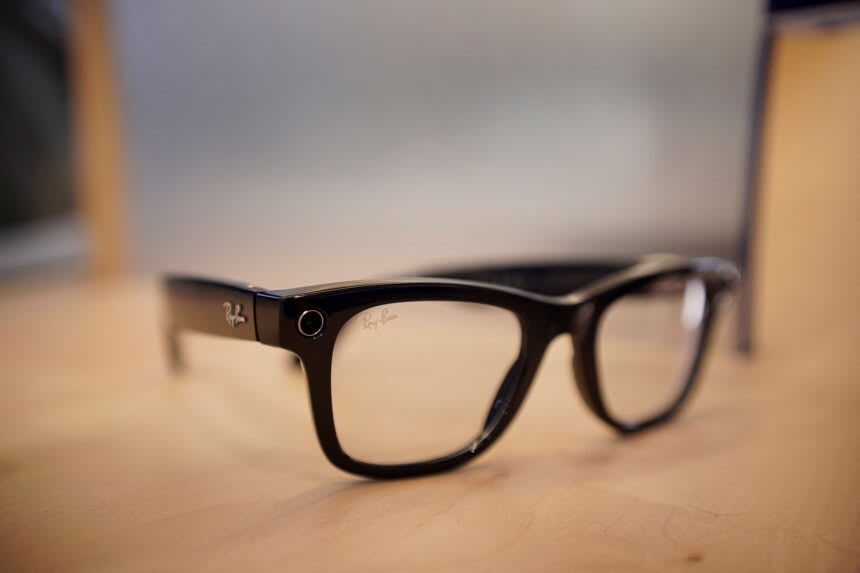
abc17news+1aibusinessweekly+1mediapost+1A new wave of AI-powered wearable devices that can see, hear, and record is rapidly entering workplaces and public spaces, prompting warnings from privacy experts that the technology is outpacing the frameworks meant to govern it.
A CNN report published Saturday examined the growing category of always-on AI wearables, including Meta Ray-Ban glasses with embedded cameras, Amazon's Amazon.com, Inc. Bee Pioneer wristband, and Plaud's NotePin S recorder, all of which can continuously capture audio or video while blending into everyday attire. Major companies and startups are racing to develop these devices, with Samsung set to launch its own AI smart glasses with Google Alphabet Inc. later this year.keyt+4
The devices present a distinct challenge compared to smartphones because they are far harder for bystanders to detect. Irina Raicu, director of the internet ethics program at Santa Clara University's Markkula Center for Applied Ethics, told CNN that "the whole notion of consent is kind of disintegrating" as these gadgets become less conspicuous.abc17news
Calli Schroeder, senior counsel and director of the AI and Human Rights program at the Electronic Privacy Information Center, warned that wearable gadgets with microphones and cameras can be "discretely worn in areas that are meant to be private like a dressing room," adding: "There are some real concerns with how this could be misused in dangerous ways."abc17news
While Meta, Amazon, and Plaud have all built indicator lights into their devices to signal when recording is active, critics note that a small LED on a wristband or shirt clip is unlikely to be noticed during normal conversation. Meta said in July that its glasses will now disable the camera entirely if users tamper with or destroy the LED recording light.fortune+1
Despite the backlash, the industry is accelerating investment. Qualcomm CEO Cristiano Amon told CNN in June that "some of the largest companies in the world right now" are developing AI pendants, pins, and jewelry. Qualcomm has launched a chip specifically designed for discreet, body-worn AI devices.aibusinessweekly+1
Amazon's Panos Panay framed the Bee Pioneer as central to the future of the Alexa assistant, telling CNN: "The more they know, the better off they can complete tasks for you." Meta CEO Mark Zuckerberg has suggested that people without AI glasses could be at a "cognitive disadvantage" compared to those who use them.abc17news
The regulatory landscape remains fragmented. Recording consent laws vary widely by jurisdiction, and no comprehensive federal framework in the United States addresses always-on wearable recording devices. Meta is already facing a class-action lawsuit over alleged collection of sensitive video content from smart glasses users by third-party contractors. Women have reported being covertly filmed by men using smart glasses, with resulting videos posted on social media without consent — prompting Meta to begin removing such content from Instagram.cnn+3
As OpenAI president Greg Brockman declared last week that the era of keyboards and mice is ending, the tension between technological ambition and personal privacy shows no signs of resolution.abc17news