Newsletter Subscribe
Enter your email address below and subscribe to our newsletter
[forminator_form id="25163"]

All voices matter
reuterseuobserverreutersRecord temperatures across Europe are compounding pressure on food prices, supply chains, and heavily indebted economies, with analysis suggesting total economic losses from extreme heat could reach €800 billion as the continent grapples with its worst summer of wildfires and drought in years.
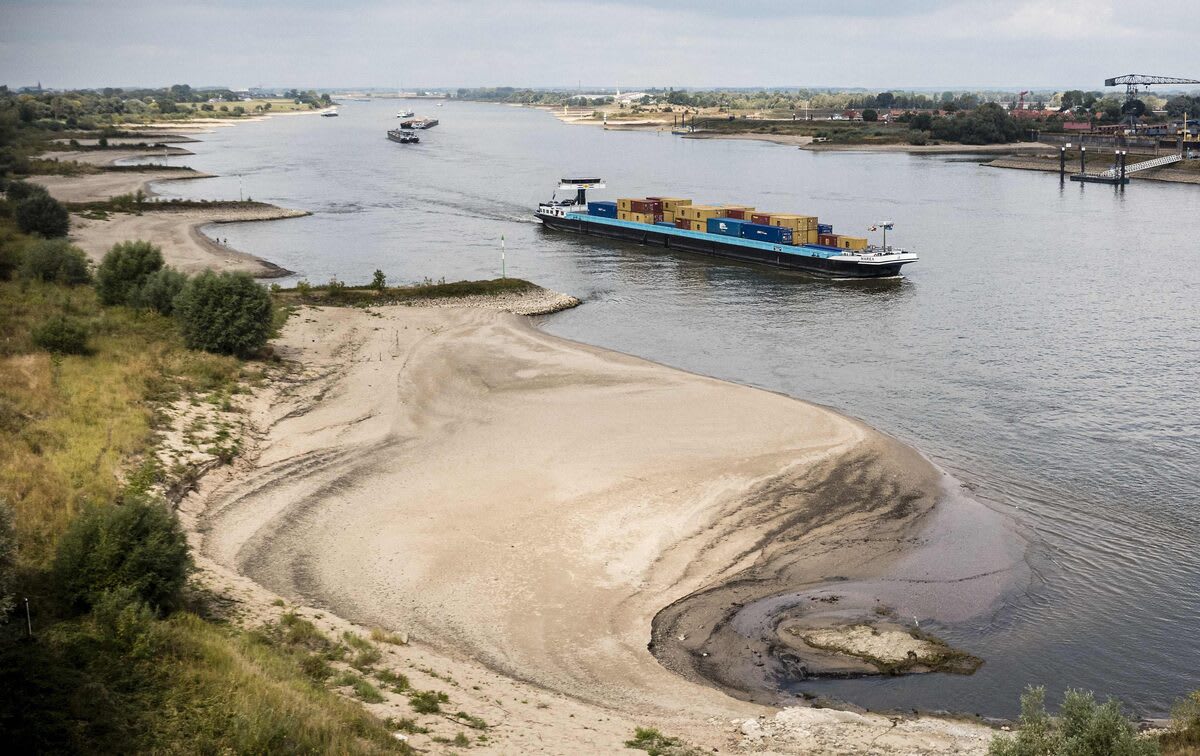
Reuters reported on August 7 that Europe's heatwave is creating fresh headaches for financial markets already roiled by an Iran war-driven energy shock. Major waterways including the Rhine are suffering from exceptionally low water levels, with some cargo services suspended and others operating with reduced loads. Around 285 million metric tons of freight move on the Rhine each year, and the river carries roughly 80% of goods transported on Germany's inland waterways, according to ING.reuters
"We are definitely going to notice food price inflation," said Invesco global market strategist Paul Jackson, citing the additional impact of the El Niño weather pattern. In Britain, major supermarket groups have warned another food-price shock could be on the horizon.reuters
Financial markets are adapting rapidly. CME data show trading volumes in European-specific weather futures have risen nearly 30% in 2026. Catastrophe bond funds now manage almost $38 billion in assets, up more than 70% from June 2023, according to Morningstar .reuters
An analysis by Allianz, Europe's largest primary insurer, estimated that France faces the largest financial exposure at around $240 billion in economic output at risk through 2030, followed by Italy ($147 billion), Germany ($131 billion), and Spain ($120 billion). The EUobserver report, citing the Allianz heat-impact simulation, placed total potential losses at €800 billion.euobserver
"Excessive heat is a major risk for health and the economy in Europe, and it has significant macroeconomic and even fiscal implications," Hans Martin Füssel, a climate adaptation expert at the European Environment Agency, told EUobserver.euobserver
A University of Mannheim and ECB paper estimated that heatwaves, droughts, and floods reduced Europe's economic output by 0.3% last summer and projected cumulative losses could rise to 0.8% by 2029. Markets are pricing in at least one more ECB interest-rate increase by year-end as policymakers balance inflation risks against the drag on growth.reuters
Wildfires have ravaged France and Spain this summer, burning more than 42,000 and 80,000 hectares respectively, forcing over 300,000 evacuations according to AFP. The European Environment Agency noted that extreme weather has cost Europe an estimated €738 billion from 1980 to 2023.voxnews+1
Not all the news is grim. Italian appliance maker De'Longhi reported "significant double-digit" growth in cooling-product sales, outpacing its core coffee business. The European Commission estimates room air conditioners in the EU will exceed 100 million by 2030, up from 57 million in 2020.reuters
"A key question in the field is whether the frequency of natural disasters can still be reliably extrapolated from long historical data series, or whether new and unexpected patterns are beginning to emerge," Morningstar said.reuters