Newsletter Subscribe
Enter your email address below and subscribe to our newsletter
[forminator_form id="25163"]

All voices matter

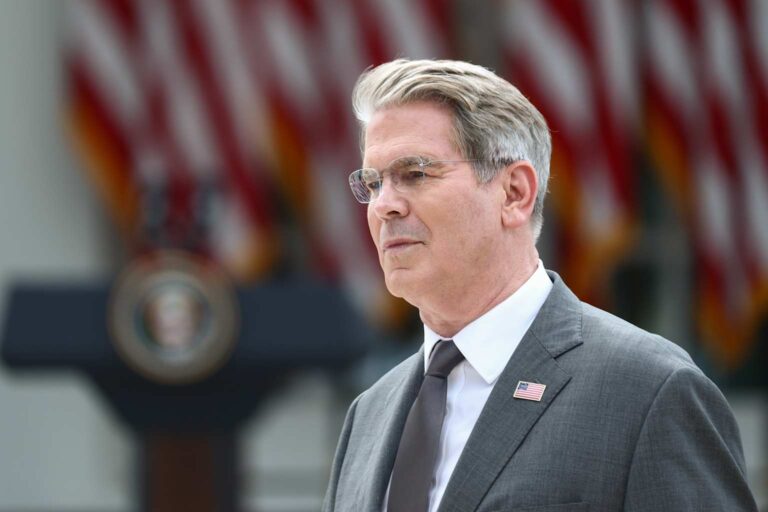
globalbankingandfinance+1newsmax+1newsmaxPresident Donald Trump declared Monday that negotiations with Iran "are going on right now," calling it Tehran's "last chance" to reach a deal, even as Iran's Foreign Ministry flatly denied any discussions with Washington were taking place.
"They are going on right now," Trump told reporters at the White House when asked about the status of talks, saying the two sides were speaking at the request of Iran, Saudi Arabia, the United Arab Emirates, and Qatar. "This is a last chance for them to sign a good document," he added.globalbankingandfinance+1
Hours earlier, Iran's Foreign Ministry spokesperson Esmaeil Baghaei told reporters at a weekly press briefing that Tehran was not holding any talks with the United States, had no plans to receive a delegation, and had no plans to send one. He said all Iranian negotiators were currently in the country apart from Foreign Minister Abbas Araghchi, who was on a religious pilgrimage in Iraq. A senior Iranian source told Reuters that no talks were planned and that Araghchi would be unavailable at least until the end of the week.inkl+1
The only negotiations Iran acknowledged were discussions with Oman over management of the Strait of Hormuz, which Baghaei said were focused on agreeing a new shipping route and had "no link to the Strait of Hormuz being opened or closed."wixx+1
Trump responded to Iran's denial by calling the country's leadership "unbelievably duplicitous."globalbankingandfinance
Monday's contradictory statements followed a weekend in which Trump threatened what he called "the biggest attack since World War II" against Iran before announcing Saturday on Truth Social that he would hold off at the urging of Gulf allies who believed a deal was within reach. On Sunday aboard Air Force One, he said a negotiation would "begin tomorrow afternoon" but provided no details about the venue or participants.bbc+2
The episode fits a pattern that has defined the five-month war launched by the U.S. and Israel against Iran on February 28. Trump has repeatedly threatened massive strikes only to pull back and announce diplomatic openings, none of which have produced a comprehensive agreement. A June memorandum of understanding aimed at ending the conflict collapsed in early July, and Iran has publicly rejected negotiations with Washington since.tribune+1
Iran has largely closed the Strait of Hormuz, through which roughly 20% of the world's oil and liquefied natural gas flowed before the war, causing energy prices to rise and stoking broader inflation. Oil prices fell more than 4% in early Monday trading after Trump's decision not to proceed with strikes.bbc+2
Israel's energy minister Eli Cohen warned Monday that regardless of any agreement, "if Iran attempts to renew its nuclear program or advance its ballistic missile industries, we will be there. We will take action, and we will strike."wixx