


Newsletter Subscribe
Enter your email address below and subscribe to our newsletter
[forminator_form id="25163"]

All voices matter
nytimesreuters+1bloomberg+1Brent crude surged above $100 a barrel on Thursday for the first time since May, and analysts warn this rally is more perilous than earlier spikes in the US-Iran conflict because the world's strategic oil cushion has been largely spent.
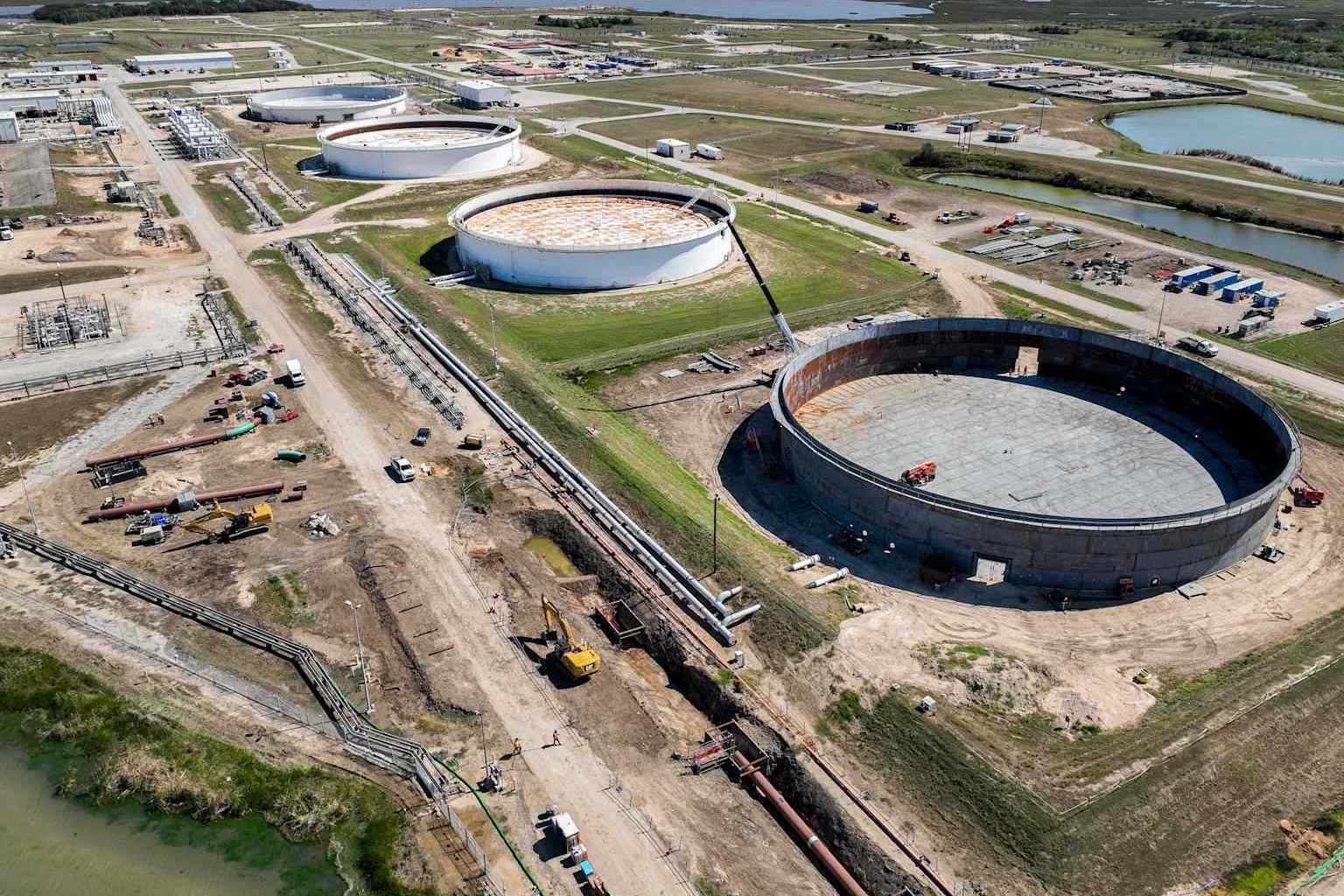
The International Energy Agency said on Monday that its member countries have released around 290 million of the record 400 million barrels made available in March, when the agency orchestrated the largest coordinated stock release in its history to offset supply disruptions from the war. Meanwhile, crude stocks in the US Strategic Petroleum Reserve fell to 316.5 million barrels in the week ended July 10 — the lowest level since April 1983, according to data from the Department of Energy reported by Reuters .npr+3
The reserve has been drained at a pace of roughly 9 million barrels per week since the Trump administration authorized a 172-million-barrel emergency release in March. That drawdown, the second-largest in SPR history after the Biden-era 180-million-barrel release in 2022, was designed to keep domestic fuel costs in check after Iran's blockade of the Strait of Hormuz disrupted roughly 20 percent of global oil and gas transit.cbsnews+2
Goldman Sachs The Goldman Sachs Group, Inc. said Monday that Brent could rally above $120 a barrel in the fourth quarter if disruptions to shipping through the Strait of Hormuz persist, though the bank's base case still assumes tensions ease, with crude averaging $80 by year-end. RBC Capital Markets went further on Wednesday, with global commodity strategist Helima Croft warning that prices could exceed $128 and approach the 2008 all-time high of $146 in a full-scale regional war scenario.nytimes+4
The New York Times reported that Brent had climbed nearly 40 percent since the onset of the conflict and that attacks on tankers in the Red Sea attributed to the Iranian-aligned Houthi militia had intensified fears of prolonged disruption. US gasoline prices averaged $4.09 a gallon on Thursday, up 37 percent from pre-war levels, according to AAA.nytimes+1
What distinguishes the current price environment from the initial war-related spike in March is the absence of a ready buffer. With almost three-quarters of the IEA's pledged emergency barrels already in the market and the SPR approaching statutory floor levels, policymakers have fewer tools to absorb further shocks. The SPR remains above its statutory minimum of 252.4 million barrels, but at the current pace of releases, that margin could narrow within months.youtube+2
Iran dismissed a US cease-fire proposal on Friday, further dimming prospects for a near-term resolution that might ease supply pressures.nytimes


