Newsletter Subscribe
Enter your email address below and subscribe to our newsletter

All voices matter
usnews+1usatoday+1spglobal+1The United States military conducted a second consecutive day of strikes against targets inside Iran on Wednesday, hours after President Donald Trump declared that the interim ceasefire between the two nations was "over," throwing the fragile peace process into disarray and raising fears of a return to all-out war.
U.S. Central Command said Wednesday's strikes were aimed at degrading Iran's ability to threaten freedom of navigation in the Strait of Hormuz. "The United States is holding Iran accountable for recent unjustified aggression against commercial shipping and civilian crews freely navigating a vital international waterway," CENTCOM wrote in a post on X.usnews+1
The latest strikes followed a round completed on Tuesday that hit over 80 targets inside Iran, including air defense systems, command and control networks, coastal radar sites, anti-ship missile capabilities, and more than 60 Islamic Revolutionary Guard Corps small boats. Those strikes came in response to attacks on three commercial tankers transiting the Strait of Hormuz. Iran's IRGC retaliated by launching what it said were strikes on 85 U.S. military targets in Bahrain and Kuwait.centcom+5
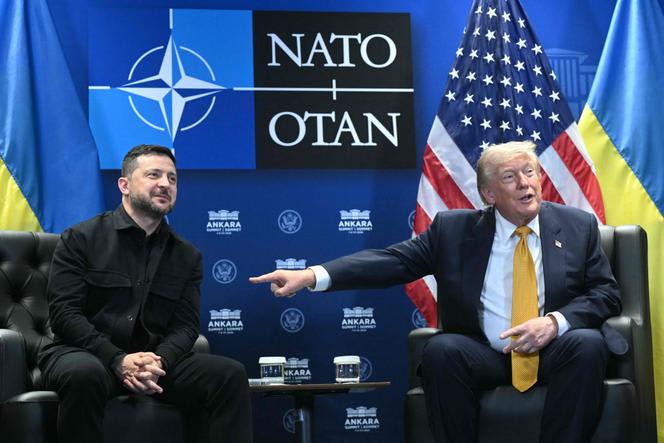
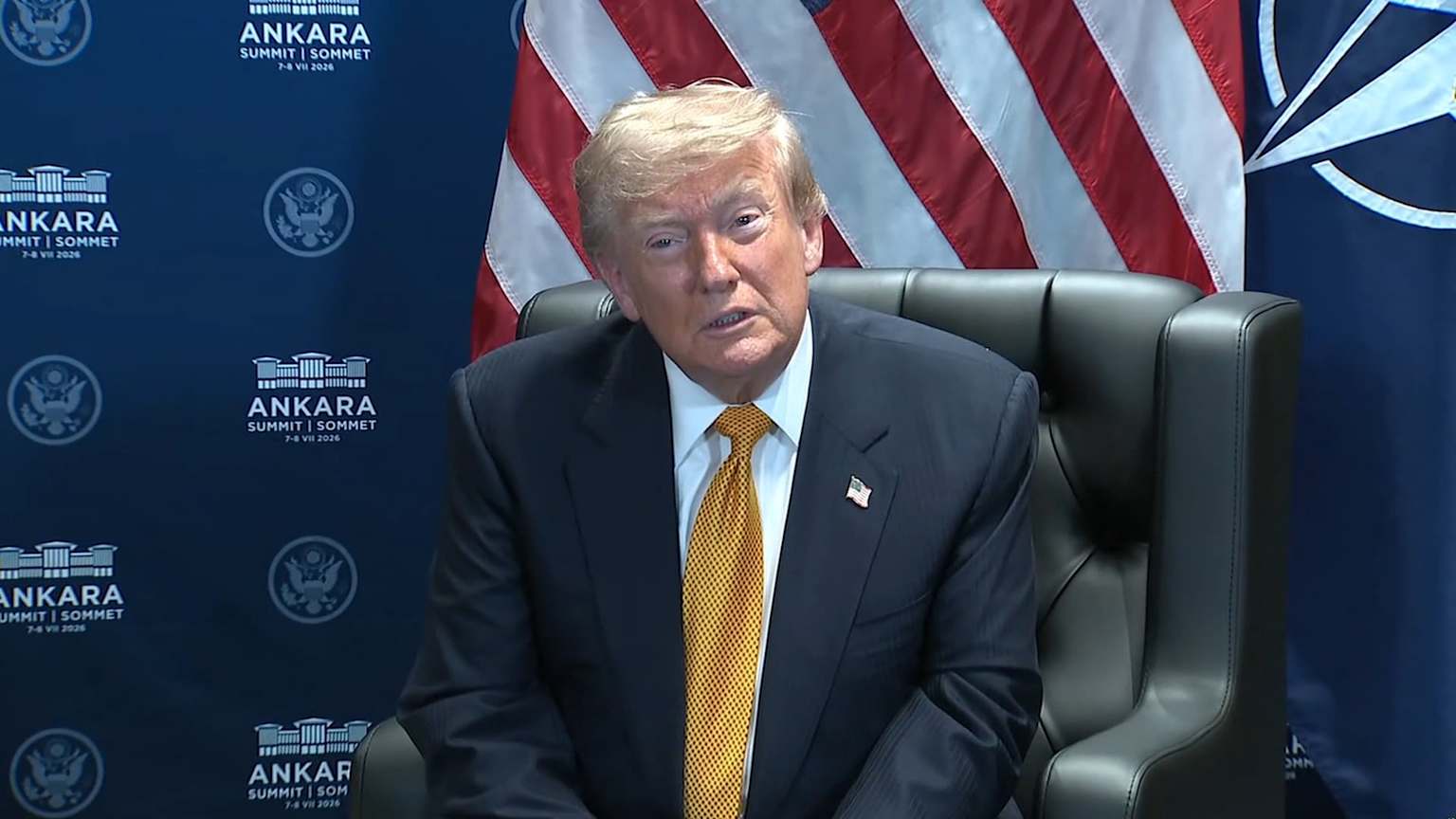
Speaking at the NATO summit in Ankara, Turkey, Trump said he considered the memorandum of understanding signed with Iran three weeks earlier to be finished. "To me, I think it's over. I don't want to deal with them," he said. "They're scum. They're sick people".usatoday+1
However, Trump later struck a somewhat more optimistic note, telling reporters he did not believe the situation would escalate into a prolonged conflict. "I don't believe it's going to reignite. I think it will conclude swiftly," he said.cnn
The collapse of the ceasefire sent oil prices surging, with ICE Brent futures climbing 8% to over $80 per barrel on Wednesday as traders priced in the risk of renewed disruptions to the Strait of Hormuz, through which a substantial portion of global crude flows. Washington also revoked a license that had allowed Iran to sell oil internationally, with new sanctions taking effect from July 7.reuters+2
The war between the U.S. and Iran began on February 28 when American and Israeli forces launched nearly 900 strikes in 12 hours. A fragile ceasefire was reached in June, but sporadic hostilities and attacks on commercial shipping have tested its durability for weeks.britannica+2