Newsletter Subscribe
Enter your email address below and subscribe to our newsletter

All voices matter
gizmodo+2.gbnews+2.greekreporter+2.livescience+1.gizmodo+2.After 16 years of research, archaeologists from the Center for Historic Shipwreck Preservation have identified the remains of the Nossa Senhora do Cabo, a Portuguese treasure ship seized by pirates in 1721, lying in waters off Madagascar's Nosy Boraha island with an estimated $138 million worth of treasure having been plundered during one of history's most infamous pirate raids.
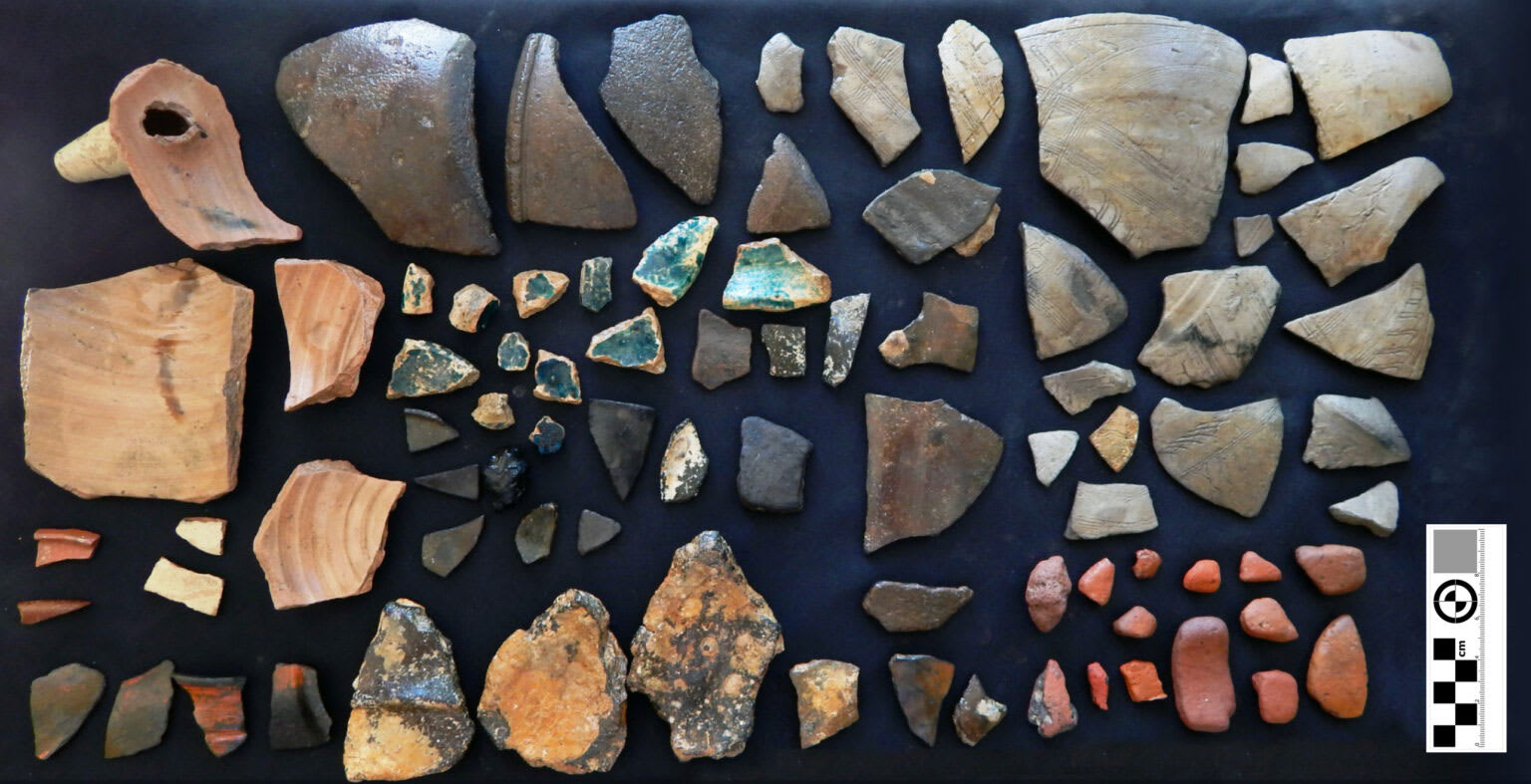
The wreck lies submerged in a small harbor near Nosy Boraha (formerly Île Sainte-Marie), a notorious pirate stronghold during the Golden Age of Piracy. Researchers identified the ship through multiple lines of evidence, including structural analysis of the timber remains, historical records, and over 3,000 recovered artifacts. Among the discoveries were devotional figurines made of wood and ivory, including a depiction of the Virgin Mary, part of a crucifix, and an ivory plaque inscribed with "INRI" in gold lettering—items likely produced in Portuguese-colonized Goa.gizmodo+4
The Nossa Senhora do Cabo's tragic history began in early 1721 when it departed Goa bound for Lisbon carrying high-profile passengers including the outgoing Portuguese viceroy and the Archbishop of Goa. On April 8, 1721, the ship was attacked near Réunion Island by a pirate fleet that included the notorious Captain Olivier "The Buzzard" Levasseur. Already damaged by storms and having jettisoned most of its cannons to stay afloat, the vessel offered minimal resistance before being captured and eventually sinking with its "eye-watering" treasure of gold and silver bars, coins, silks, and precious items.greekreporter+2
The capture of the Nossa Senhora do Cabo stands as one of the most lucrative pirate heists in history, orchestrated by French pirate Olivier Levasseur (nicknamed "La Buse" or "The Buzzard") and his English counterpart John Taylor in April 1721. The pirates approached the storm-damaged Portuguese vessel while it was anchored near Réunion Island, cleverly flying English flags to avoid raising suspicion before launching their attack. The 700-ton ship, having lost most of its cannons and with much of its crew ashore for repairs, offered minimal resistance.wikipedia+2
The pirates' haul was extraordinary—valued at approximately £800,000 ($962,000) at the time. The treasure included gold, silver, diamonds, and religious artifacts, with each pirate reportedly receiving at least $50,000 worth of golden Guineas and 42 diamonds. After the raid, Levasseur took command of the captured ship, renamed it Victorieux, and eventually scuttled it near Madagascar's Sainte-Marie Island. Despite being offered amnesty by the French government in 1724, Levasseur refused to return his portion of the stolen treasure and instead settled secretly in the Seychelles before his eventual capture near Madagascar and subsequent hanging for piracy on July 7, 1730.livescience+2
The treasure aboard the Nossa Senhora do Cabo was described as "eyewatering" even by pirate standards, with a combined worth exceeding $138 million in today's currency. This extraordinary haul included:greekreporter+1
The pirates seized this "staggering amount of treasure" in what became one of the richest pirate heists in history. Each pirate reportedly received at least $50,000 worth of golden Guineas and 42 diamonds from the raid, highlighting the immense value of the cargo. While the viceroy was eventually ransomed, the fate of the archbishop and approximately 200 enslaved people aboard remains unknown. Though researchers have recovered over 3,300 artifacts from the wreckage, many treasures likely remain buried under sand and silt on the ocean floor near Madagascar.gizmodo+2