Newsletter Subscribe
Enter your email address below and subscribe to our newsletter
[forminator_form id="25163"]

All voices matter
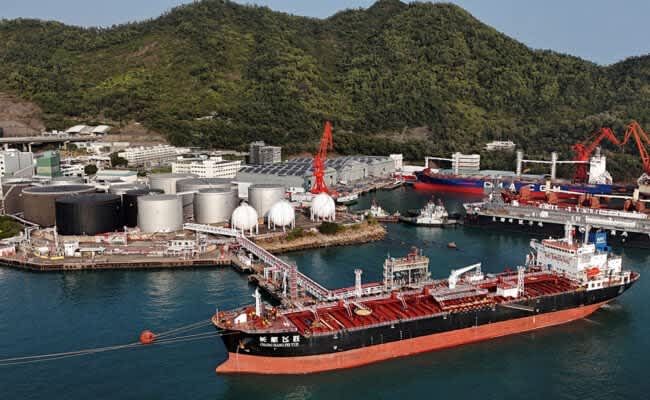
charlotteobserver.com+1.reuters.com.wsj.com+1.Oil prices reversed early gains on Friday, Nov. 20. Strong Middle Eastern exports outweighed new security threats, including a Houthi missile attack on Riyadh and reports of tankers burning in the Strait of Hormuz. Brent rose in Asian trading but fell in London, and it was on track for a weekly decline of about 5%, according to Reuters. Both Brent and WTI were set for their third straight weekly loss.charlotteobserver.com
The swing shows a market caught between geopolitical risk and a growing supply glut. The Wall Street Journal reported that both benchmarks had fallen about 15% so far in November, as President Trump held off on renewed large-scale strikes against Iran.wsj.com
Saudi civil defence said the Houthi strike on a tower in Riyadh's financial district damaged several floors and nearby buildings, with no injuries reported, according to state news agency SPA. The Journal identified the building as the headquarters of the Public Investment Fund. Saudi Arabia's foreign ministry said the kingdom "will not tolerate any aggression targeting its territory or assets."thehindubusinessline.com
Separately, Iran's Revolutionary Guards Navy said two oil tankers hit naval mines in the Strait of Hormuz and "exploded" and "are burning," in a statement carried by state media. Reuters could not independently verify the report. Analysts at UOB Group said in a note that Iranian attacks on tankers, "running at roughly one incident per day in November," still add a risk premium to prices, Reuters reported.virginiabusiness.com+1
"Concerns over Middle Eastern crude oil supplies have resurfaced due to attacks on Riyadh by the Houthis, prompting buying," said Satoru Yoshida of Rakuten Securities. He added that expectations that OPEC+ will keep its production cuts at its meeting this month were also supporting prices, Straits Times reported. OPEC+ ministers will meet on Nov. 29 to set their 2027 output policy.straitstimes.com
Supply data kept pushing prices lower. The U.S. Energy Information Administration said oil shipments through major Middle Eastern routes rose 19% in the third quarter from the previous three months, and that the region's crude output reached 23.1 million barrels a day in October, the highest since the conflict began, the Journal reported. Saudi crude exports rose nearly 21% in September to 5.38 million barrels a day, according to data from the Joint Organisations Data Initiative cited by NDTV Profit. U.S. Energy Secretary Chris Wright said flows through Hormuz had reached record levels.ndtvprofit.com+1
The International Energy Agency expects an oversupply of 1.7 million barrels a day in the fourth quarter, widening to about 3.8 million next year. Pavel Molchanov of Raymond James said markets have grown used to periodic Middle East tensions as long as they don't escalate into a broader conflict, according to the Journal.wsj.com
Weaker risk appetite added to the pressure. "Supply disruptions remain a risk, but near-term demand concerns tied to the AI trade unwind and broader risk-off sentiment are weighing on prices," Saxo analysts wrote, Shafaq News reported, citing Reuters.shafaq.com