Newsletter Subscribe
Enter your email address below and subscribe to our newsletter
[forminator_form id="25163"]

All voices matter
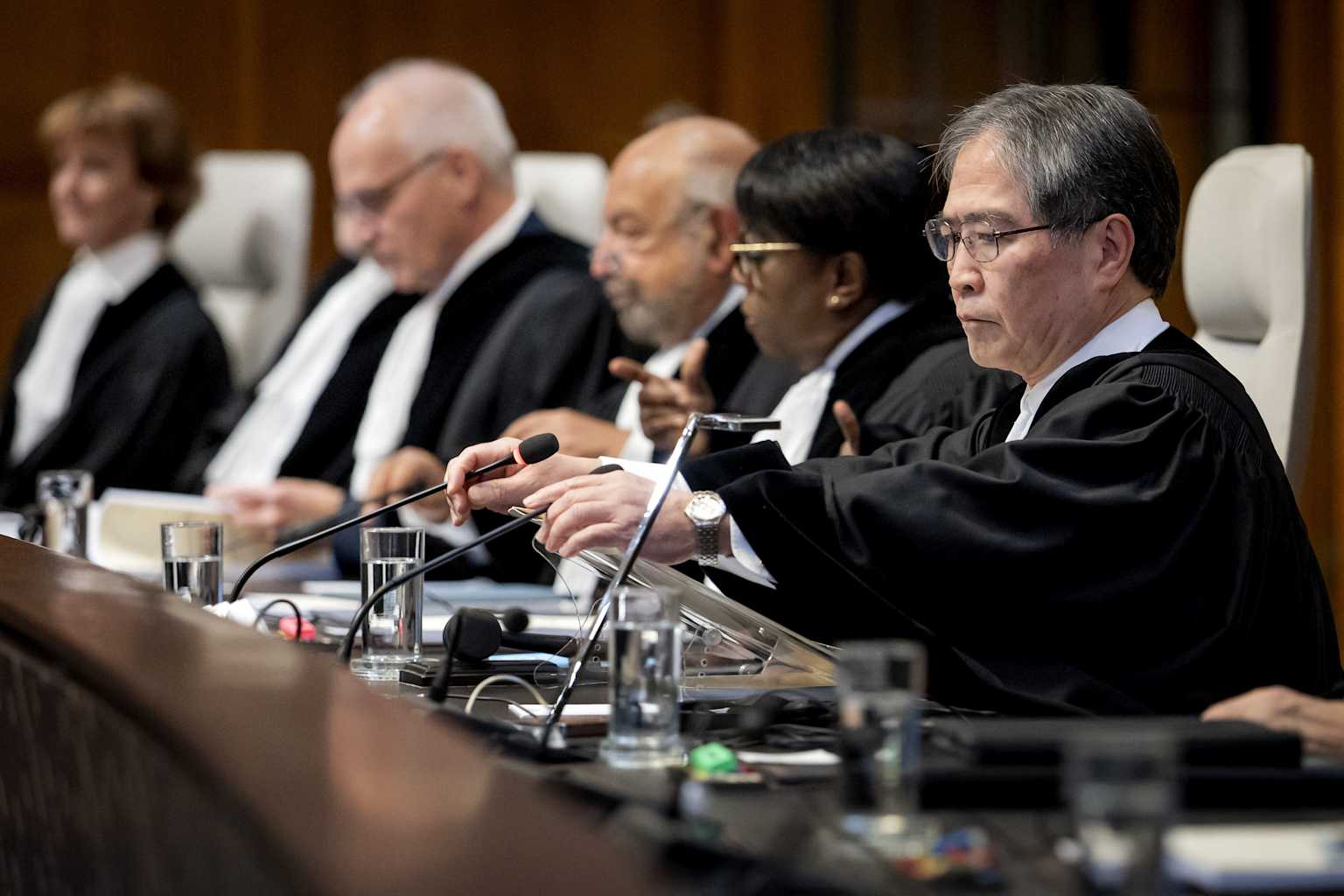
apnews.com.aljazeera.com+1.aljazeera.com+1.The International Court of Justice ruled on Thursday, November 19, 2026, that the "only reasonable inference" from the evidence of atrocities committed by Myanmar's security forces in 2017 is that they intended to destroy a "substantial part" of the Rohingya minority, AP reported. Al Jazeera described the ruling as finding Myanmar guilty of "genocidal intent" in massacres that killed about 10,000 Rohingya. The case is the first of five genocide cases pending at the court to reach a final judgment. The ICJ has never before held a state responsible for committing genocide, Al Jazeera noted.aljazeera.com+2
ICJ President Iwasawa Yuji read the judgment at the Peace Palace in The Hague over roughly three hours. He said evidence supported the estimate that about 10,000 Rohingya were "violently killed during clearance operations," according to New Straits Times and the BBC. "The Court finds that Myanmar's security forces killed thousands of Rohingya civilians, perpetrated widespread acts of sexual violence as well as acts of extreme violence against children and attacked fleeing Rohingya," Iwasawa said, as quoted by the Jerusalem Post.jpost.com+2
The court also said "military-sponsored hate speech fuelled hostility" against the Rohingya, while discriminatory laws left them marginalised, the BBC reported. It found that Myanmar should have known genocide was a risk once armed civilians joined the campaign. "Myanmar thus violated its obligation to prevent genocide," the court said, per Al Jazeera.bbc.com+1
The Gambia filed the case on November 11, 2019, with the backing of the Organisation of Islamic Cooperation. It asked for reparations for victims and guarantees that the violations would not happen again, the ICJ said. The court affirmed its jurisdiction in July 2022 and held merits hearings in January 2026. Myanmar has maintained that its 2017 operation was a response to attacks by the Arakan Rohingya Salvation Army, and in January called the allegations "flawed and unfounded in fact and law," Reuters reported.icj-web.leman.un-icc.cloud+1
The judgment is final and binding. However, the court has no way to enforce it beyond reporting noncompliance to the UN Security Council, AP noted. The court rules only on state responsibility and cannot convict individuals or issue arrest warrants, according to Reuters. Analysts expect the ruling to bear on other cases, including South Africa's case accusing Israel of genocide in Gaza, Reuters reported.reuters.com+2
The UN says more than 1.3 million Rohingya remain displaced, including 1.2 million in camps in Bangladesh's Cox's Bazar, Al Jazeera reported. "The ICJ ruling is an important moment for accountability for atrocities that Rohingya people have been describing for years," Arunn Jegan of Doctors Without Borders told AFP.afp.com+1