Newsletter Subscribe
Enter your email address below and subscribe to our newsletter
[forminator_form id="25163"]

All voices matter
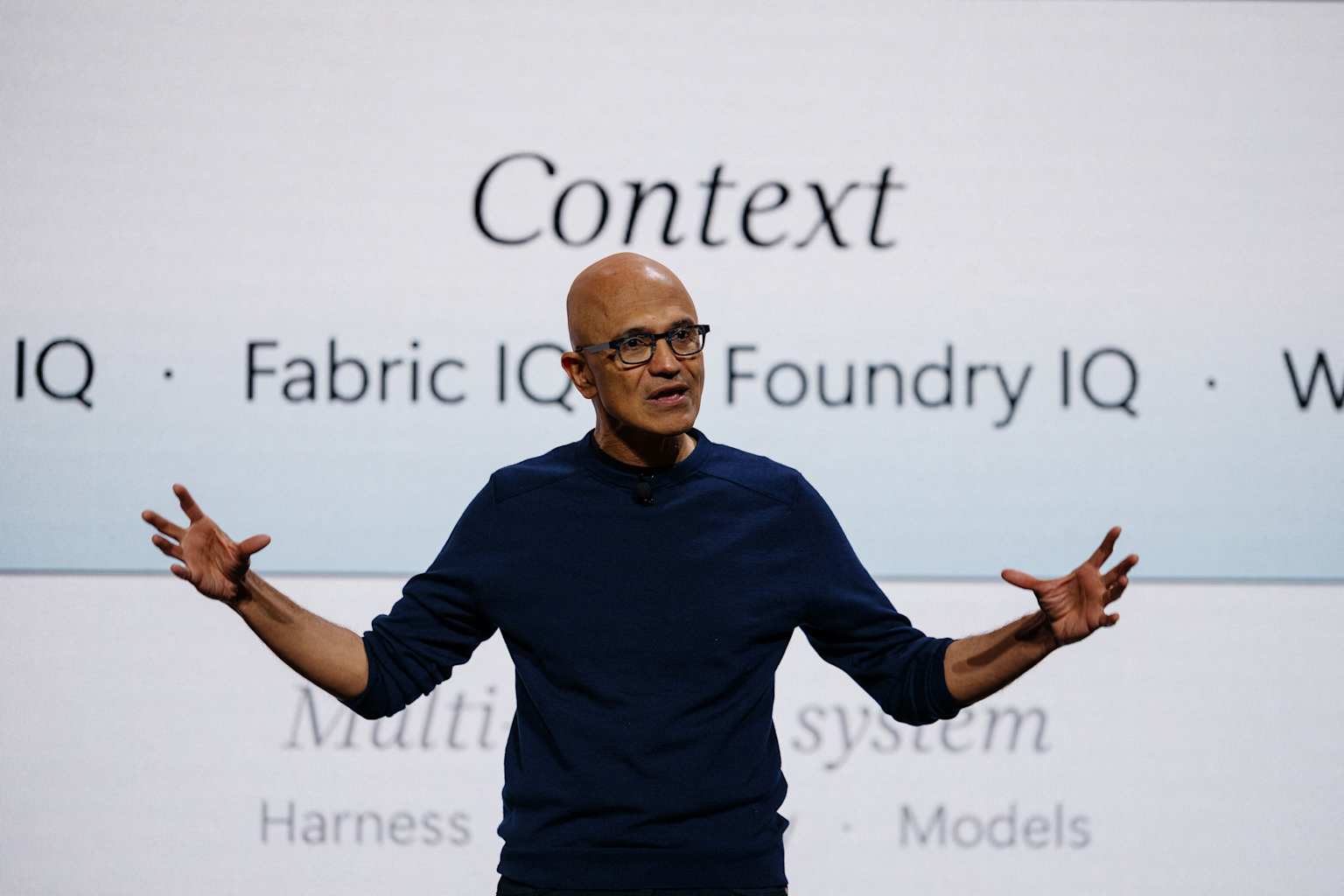
business-standard.com.arstechnica.com+1.techpolicy.press.Microsoft CEO Satya Nadella has called last week's global Microsoft 365 outage "one of those crazy perfect storms," and he acknowledged the company should have caught the problem first. "Of course, we should have done the testing before. We should have figured out how to have the bulkheads such that you didn't have a global outage," he told CNBC on Wednesday, November 18, according to Business Standard. His comments came as businesses and governments counted the cost of the disruption, and ahead of Microsoft's final incident report, which is due Friday, November 20, according to Ars Technica.business-standard.com+1
Microsoft's preliminary report put the outage between 16:20 UTC on November 12 and 16:10 UTC on November 13, just under 24 hours. The report classified the incident as "a technical issue not related to cyber or AI/agents," Ars Technica reported. It traced the failure to a "latent defect" in a fix built for Microsoft 365 networking gateway servers that began rolling out in July, Computerworld reported. Load testing for that fix ran on weaker hardware with fewer cores than the production machines, so the bug went undetected, The Stack reported.computerworld.com+2
Two other conditions exposed the defect. About 15 hours before the outage, Teams traffic failed over onto the gateway that also serves Exchange Online, and an unrelated issue had already taken nearly 14% of that gateway's capacity out of service. At the worst point, more than 80% of the gateway's servers had stopped responding, TechTarget reported. Speaking at The New York Times DealBook Summit, Nadella also warned that AI-driven bug discovery is pushing companies to patch faster, with less testing time, which could make systems less stable, Anadolu Agency reported.techtarget.com+1
Downdetector Ziff Davis, Inc. logged more than 7.7 million reports in the 60 hours after the outage began, and more than 90 countries and territories each recorded at least 1,000 reports. Ookla researcher Luke Kehoe wrote in Broadband Breakfast that this made it the largest outage on the platform since Amazon Web Services Amazon.com, Inc. went down in October 2025. Kehoe argued that the outage "showed the risk that comes with shared dependencies and concentration."broadbandbreakfast.com
In the UK, almost all NHS trusts lost email, some operations were canceled, and court cases were delayed, Tech Policy Press reported. Minister Ian Murray told the House of Commons that the incident "could have been more serious if it had lasted longer." The Liberal Democrats called for a plan to "stop relying on a few big US tech firms."techpolicy.press
Restoring service did not end the disruption for Outlook users. Email's "store-and-forward" design meant outside servers kept queuing and retrying messages throughout the outage, and those backlogs can take "hours to days" to clear, Iowa State University professor Doug Jacobson wrote in Fortune. Microsoft extended delivery timeouts so delayed messages would not bounce as undeliverable. It also said it has added capacity and traffic-distribution guardrails. The preliminary report did not explain why the regional isolation safeguards failed, Ars Technica noted, and the final review may answer that question.fortune.com+1