Newsletter Subscribe
Enter your email address below and subscribe to our newsletter
[forminator_form id="25163"]

All voices matter
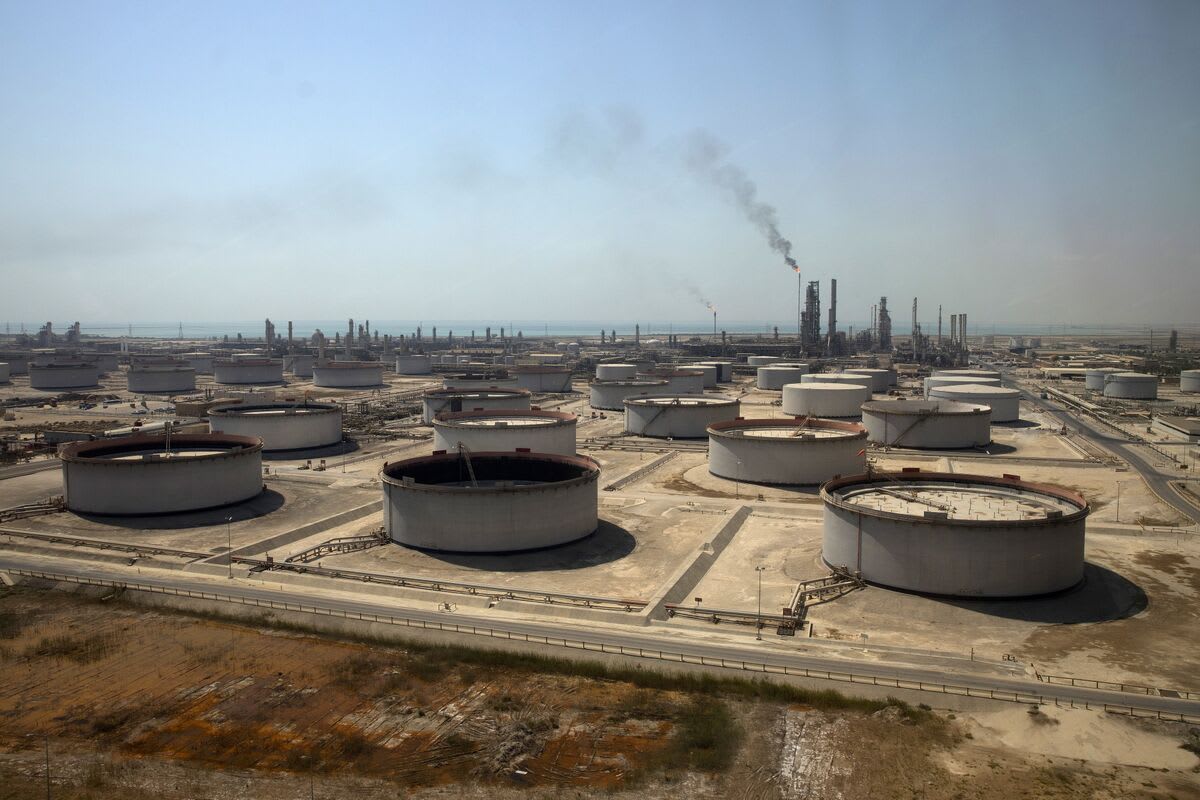
reuters.com.rigzone.com.bloomberg.com+1.OPEC's crude production rose in October as Saudi Arabia, Kuwait and Iraq pumped more, according to a Reuters survey published Monday, November 9. The gains came even though exports are still limited by the Iran war and a US blockade of Iranian shipments. The 11 members of the Organization of the Petroleum Exporting Countries raised output by 1.38 million barrels per day from September, reaching 22.87 million bpd. That is 90% of the 25.48 million bpd the same countries produced in February, the last month before the conflict disrupted Middle East exports and production, Reuters reported.reuters.com
A separate Bloomberg survey found a smaller increase. It showed October output up 930,000 bpd to 22.8 million bpd, about 88% of February levels. Saudi Arabia accounted for most of the gain, adding 970,000 bpd to reach 9.2 million bpd. That is still about 800,000 bpd below what it pumped at the start of the year. The kingdom is sending more tankers through the Strait of Hormuz and loading more cargoes on its Red Sea coast. In the same survey, Iraq added 140,000 bpd to reach 4.15 million bpd and Kuwait added 130,000 bpd to reach 2 million bpd. Iran's output fell to 1.9 million bpd, the lowest in Bloomberg data going back to 1989, as the US naval blockade cut into its production.rigzone.com
The war has kept OPEC+ from delivering the increases it promised. Seven members agreed to keep output steady in October after raising quotas every month since April. On November 1, they extended that pause through December. The group is reviewing how much oil each member can technically produce before ministers meet on November 29 to set 2027 targets.morningstar.com+2
The supply recovery comes as prices are falling. Brent lost more than 16% last week, its biggest weekly drop since April 2020, and kept falling on Monday. Crude has dropped from a six-month high reached at the end of October. Democrats swept the US midterm elections, raising expectations that the conflict will not escalate seriously. Later on Monday, prices fell further on an unconfirmed report that Iran had softened its demands over the Strait of Hormuz.brp-prod-bcc.bloomberg.com+1
The region is still not calm. On Monday, Saudi Arabia's East-West pipeline, its main route for moving crude around Hormuz, came under attack. The Saudi energy ministry said pipeline operations were not affected. US Secretary of State Marco Rubio called Tehran's demands so far unacceptable. Jorge Leon of Rystad Energy said: "More pressure for a deal doesn't necessarily mean a deal is closer. If we see renewed escalation, much of last week's oil price decline could quickly reverse".oilprice.com+1