Newsletter Subscribe
Enter your email address below and subscribe to our newsletter
[forminator_form id="25163"]

All voices matter
nature.com.nature.com.nature.com+1.Nearly every land region on Earth has already warmed almost as much as it is expected to at 1.5 degrees Celsius of global warming, according to a study published November 9 in Nature Climate Change. By 2025, warming caused by human activity had reached about 90 to 94 percent of the regional levels expected at 1.5C and 65 to 76 percent of those expected at 2C.nature.com
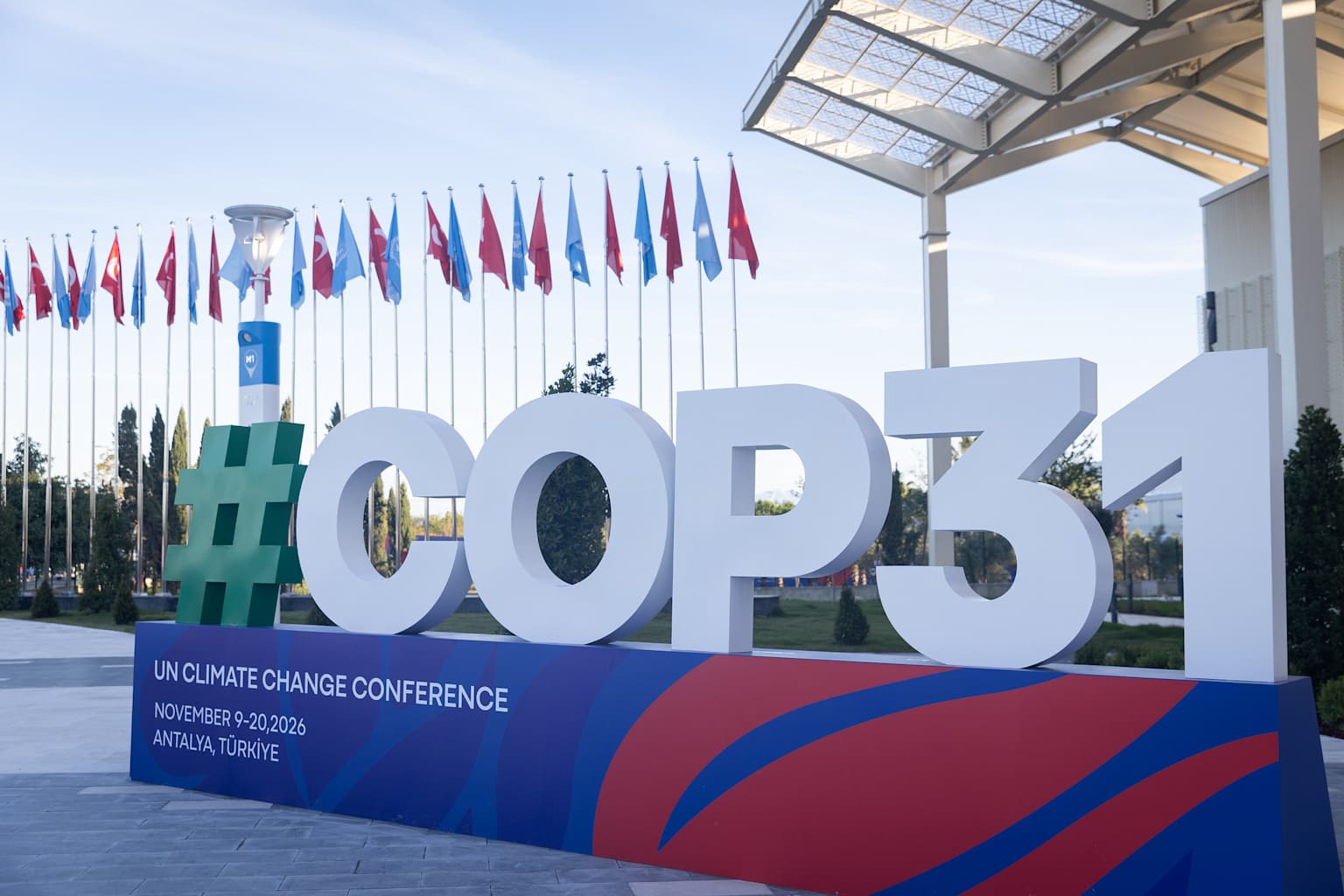
The authors write that the results show "current warming is already indistinguishable from a 1.5 °C world." For every region, the study's uncertainty ranges include 100 percent of the warming expected at that threshold, so current warming is statistically indistinguishable from a 1.5C world. The paper comes out as negotiators gather in Antalya, Türkiye, this week for the COP31 UN climate conference.gizmodo.com+1
The researchers, led by Tong Li of the University of Victoria with co-authors Francis Zwiers, Xuebin Zhang and Qiaohong Sun, studied all 46 regions defined by the Intergovernmental Panel on Climate Change. They combined historical observations with climate model simulations, which let them make estimates in places with sparse records, such as much of Africa, South America and the polar regions. The Russian Arctic warmed the most, at 3.3C above 1850–1900 levels. Northeast North America followed at 2.6C. Regions shaped by the ocean, including southern South America, Southeast Asia and New Zealand, warmed the least, at about 1C.chosun.com+1
"Almost all regions have warmed faster than the global average," Zwiers said at a press briefing. The study found that greenhouse gases drove most of the warming and that aerosol pollution partly offset it. Confidence in the results was highest in tropical regions, where there is less natural variability.nature.com+1
The study estimates that global warming reached about 1.4C in 2025. Under a high-emissions scenario, the world would cross 1.5C around 2029 and 2C by 2042, according to Público. Zwiers told reporters that keeping warming below 2C is still possible but "would require very rapid emissions reductions from current levels," Público reported. The authors also caution that the analysis relies on a fairly small set of models.publico.pt
In an accompanying commentary, Peter Stott of the UK Met Office wrote that in most land regions, the thresholds governments agreed in Paris are "already dangerously close." Experts who reviewed the study for Spain's Science Media Centre called it high quality. One noted that it covers land, not ocean heat. Another said the European Mediterranean has already warmed by more than 1.7C.nature.com+1
Li said the estimates could help regions "understand how the climate has already changed and also support their efforts to plan and adapt for the future," Gizmodo reported.gizmodo.com