Newsletter Subscribe
Enter your email address below and subscribe to our newsletter
[forminator_form id="25163"]

All voices matter

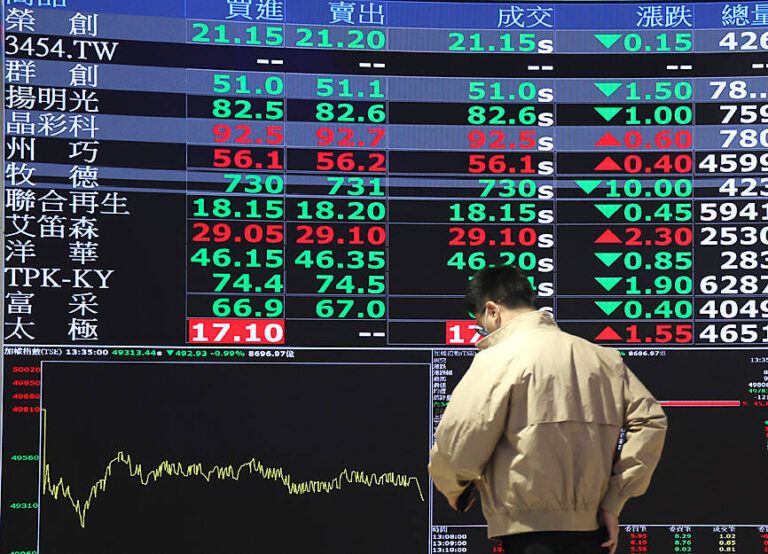
bloomberg.com+1.edition.cnn.com+1.cnbc.com+1.Taiwan Semiconductor Manufacturing Co. fell close to its 10% daily limit in Taipei on Friday, November 6. The drop pulled Taiwan's TAIEX down about 9% as a Wall Street rout in AI stocks spread across Asia. Bloomberg reported TSMC down 9.8% in early trading. CNBC put its loss at 9.6% and said Hon Hai Precision Industry, also known as Foxconn, slid 9.4%.cnbc.com+1
The selloff followed a Thursday session in New York in which the Nasdaq Composite fell 5.52%. That left the index more than 10% below its October 6 record, which puts it in correction territory. The Philadelphia Semiconductor Index PHLX Semiconductor Sector Index lost 12.2%.edition.cnn.com+1
The TAIEX opened down 6.4% and kept falling. Its intraday point loss passed the previous record set on July 17, while MediaTek and Delta Electronics also traded near their daily floors. The market was already weak going in. On Thursday the index fell 3.2%, its sixth straight losing day, and closed at its lowest level since July 31. TSMC lost only 0.88% that day, which had helped cushion the broader market. Analysts said the TAIEX had dropped nearly 8,000 points from a recent high above 49,000 and warned that leveraged margin positions could add to the selling.focustaiwan.tw+2
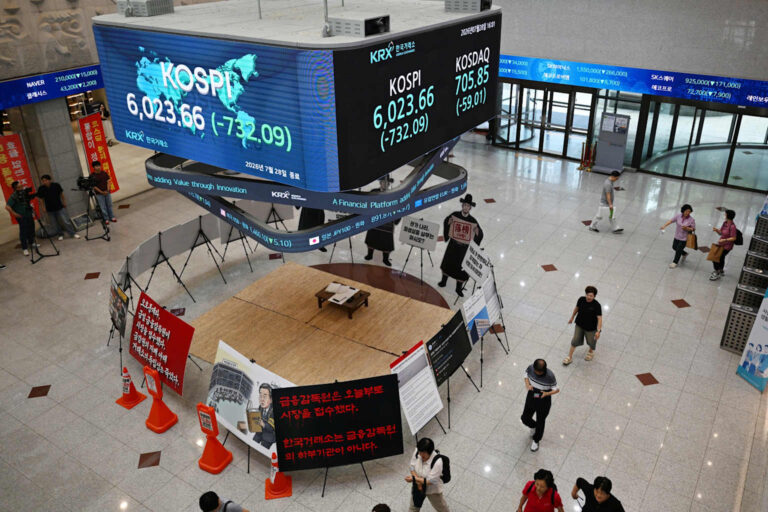
South Korea and Japan were also hit hard. SK Hynix fell more than 8% and Samsung Electronics lost 7% in Seoul. In Tokyo, Advantest dropped 12.2%, SoftBank Group fell 11.6% and Tokyo Electron slid 7.3%. Bloomberg reported that trading on the Kospi was halted for 20 minutes and that the Nikkei 225 entered a technical bear market. Chinese stocks largely avoided the selloff.bloomberg.com+1
Investors worried that the Democrats' sweeping win in the U.S. midterm elections could bring tighter limits on data-center construction, which could slow demand for AI chips. Some strategists said positioning was making the drop worse. "There's a real sense of panic in the selling, and I suspect crowded positions, deleveraging and possibly forced liquidations are making things much worse," Pepperstone Group strategist Dilin Wu told Bloomberg.cnbc.com+1
Others pointed to an upcoming catalyst. "The catalyst I'm watching is Nvidia's results on November 17: reassuring guidance could set off a relief trade in chips," said Anna Wu, founder of Floodlines Research.bloomberg.com