Newsletter Subscribe
Enter your email address below and subscribe to our newsletter
[forminator_form id="25163"]

All voices matter
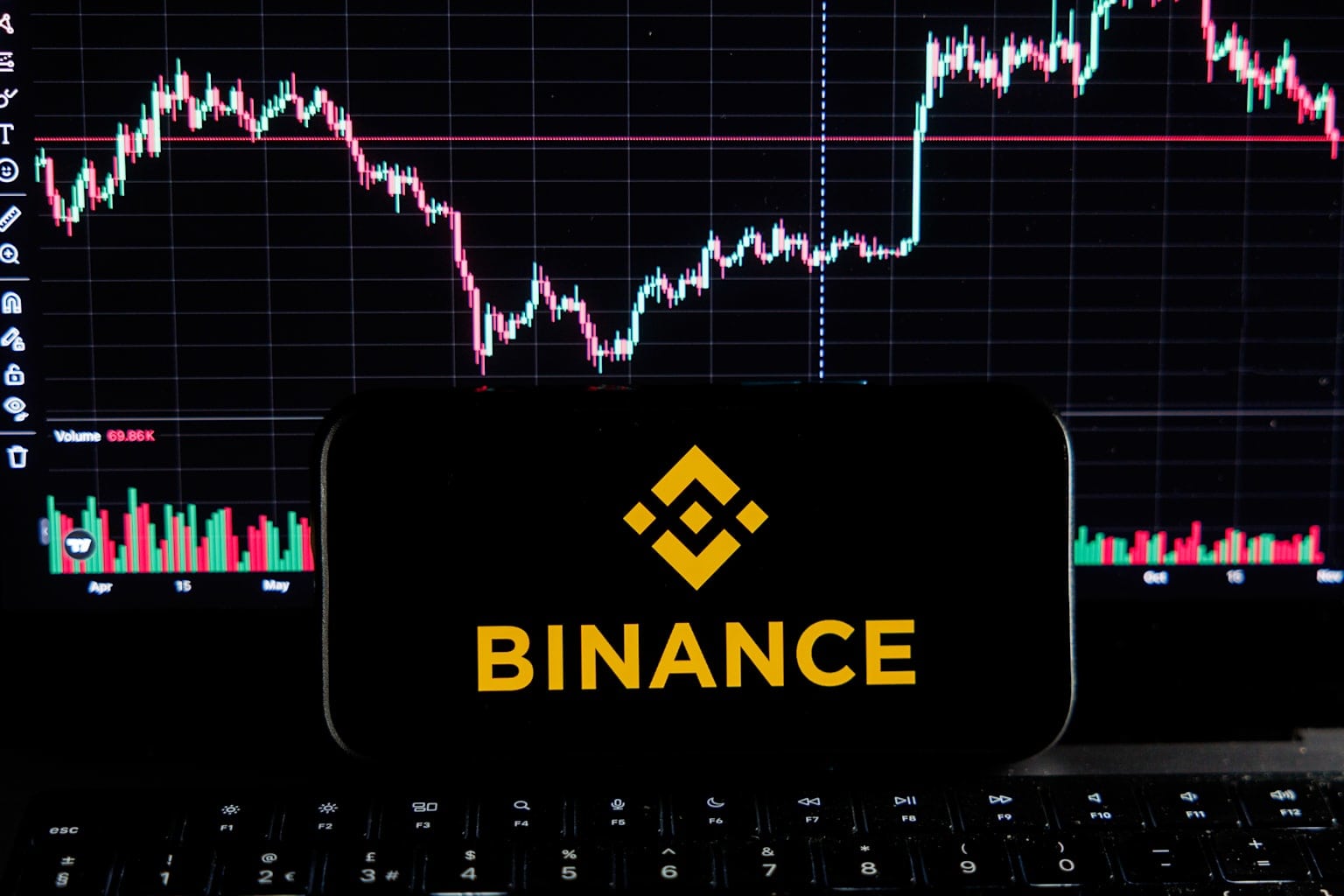
reuters.com+1.cnbc.com+1.gulfbusiness.com+1.Binance has frozen about $3 billion of the roughly $6.3 billion taken in what analysts call the largest crypto theft on record. Legal and blockchain experts say frozen funds are not the same as recovered funds, and they warn that the exchange's promise to make customers whole may not hold up in court. Binance said it would cover all losses from its Secure Asset Fund for Users (SAFU) and company funds, and that "user funds are safe". Reuters reported that Binance has set aside about $6.34 billion of company funds internally to cover the losses, though it did not say where the money came from.reuters.com+1
"A freeze stops the money from moving, and recovery follows through legal process," Ari Redbord, global head of policy at TRM Labs, told CNBC. He explained that law enforcement usually needs a court order or seizure warrant before stablecoin issuers can reissue the assets to their owners. Bitcoin and ether are harder to get back because no issuer can freeze them. Eric Jardine of Chainalysis said that while a freeze can happen quickly, "returning funds can take months or years". Tether froze nearly $1.57 billion, and Circle Internet Group froze more than $800 million.cnbc.com+1
Alexander Shirtcliff, who leads commercial disputes at the law firm Edwin Coe, said customers "should not regard this as legally binding." He pointed out that Binance's standard user terms limit its liability and include no commitment to use SAFU. He also predicted that ownership of the frozen assets will be fought over in court and that a collective action is a possibility. His colleague Daniel Tunkel drew a line between "blandishments from the Board of Binance" and what customer contracts actually promise.gulfbusiness.com
SAFU was set up in 2018 and has historically held about $1 billion. Sean Farrell of Fundstrat Global Advisors puts the fund at about $1.2 billion, which he said could cover roughly a third of the $3.3 billion still not frozen, assuming the frozen stablecoins are returned. The rest would have to come from the exchange's own funds. Farrell said he does not see "meaningful solvency risk," but he warned that a shortfall could force Binance to sell reserves. Johnny Mehta of Axis Investment Management was more doubtful, arguing that emergency reserves like SAFU are arbitrary and probably not enough for losses this large.cnbc.com+2
Binance said it expected withdrawals to resume within 48 hours. Farrell said that how quickly withdrawals restart, and whether outflows stay orderly, will be "the key tell".cnbc.com+1