


Newsletter Subscribe
Enter your email address below and subscribe to our newsletter
[forminator_form id="25163"]

All voices matter
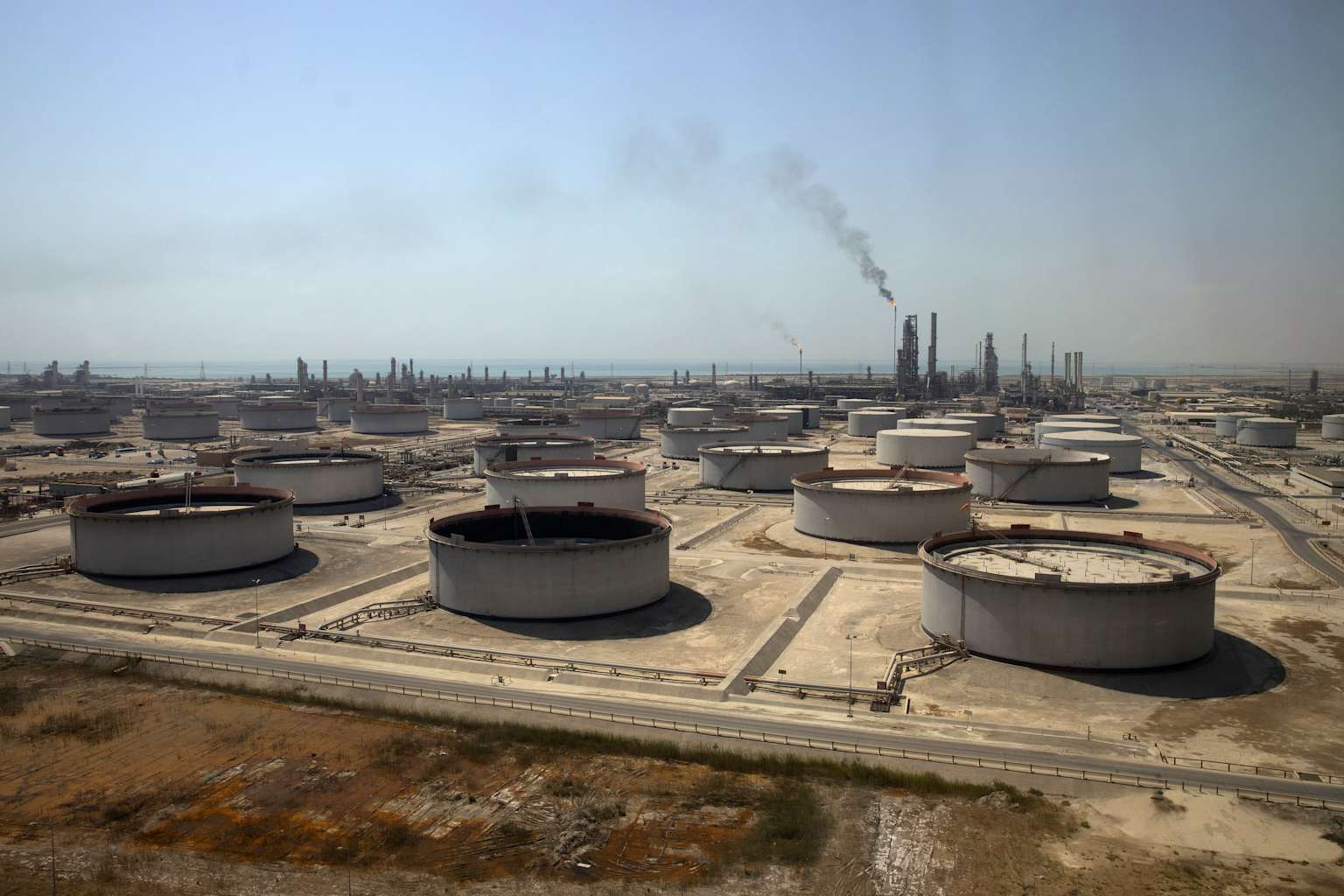
reuters.reuters.reuters.Saudi Arabia has cut its November crude prices for buyers in Asia, a move the market did not expect, while raising prices for northwest Europe and the Mediterranean, according to a pricing document seen by Reuters on Monday, Oct. 5. State oil company Saudi Aramco set the November official selling price (OSP) for Arab Light crude to Asia at \$5 a barrel below the average of Oman and Dubai prices. That is \$3 lower than the October level and the widest discount since June 2020, Reuters data showed.reuters+1
Most expected the opposite. A Reuters survey had forecast a \$3-a-barrel increase for November, in line with gains in Middle Eastern benchmark prices.reuters
Aramco cut prices by more for its heavier grades. The November OSPs for Arab Medium and Arab Heavy sold to Asia were each lowered by \$5 a barrel. Asia is the largest market for Saudi crude, so the cuts amount to a sizable discount for refiners across the region.straitstimes+1
The price cut follows reports that Aramco was considering discounts on oil loaded off Oman to make up for record freight rates. People familiar with the matter said last week that the company wanted to protect its market share after a regional conflict disrupted exports.reuters+1
In the other direction, Aramco raised November OSPs for northwest Europe by \$3 a barrel for all grades after it restarted exports from the Red Sea port of Yanbu. Mediterranean prices also went up. Prices for buyers in the United States stayed the same.reuters+1
The price decisions came a day after Saudi Arabia and other OPEC+ members agreed on Sunday, Oct. 4, to keep oil production targets unchanged for November. Most observers expect the group to make no further changes to output policy until next year.straitstimes+1
Saudi Arabia's monthly OSPs serve as a guide for other Middle Eastern producers setting their own prices. That means the Asian cut could put pressure on competing exporters to lower their prices for the same buyers.


