Newsletter Subscribe
Enter your email address below and subscribe to our newsletter
[forminator_form id="25163"]

All voices matter
yahoo.rfi.bluewin+1.Just over half of Europe faced "very strong" heat stress at some point this summer. That is the largest share on record, the European Union's Copernicus Climate Change Service (C3S) said on Friday, Oct. 2. Western Europe had its hottest summer since records began, and the continent's rivers ran lower than at any time since record-keeping started in 1992.rfi+2
The findings describe a season in which several climate extremes hit at once. Long heatwaves, widespread drought, very low rivers and record-warm seas together put pressure on health, energy, transport and farming across the continent.news.yahoo+1
Copernicus found that 52% of Europe was exposed to "very strong" heat stress, meaning conditions that feel like 38C (100F) or hotter. About 80% of the continent had "strong" heat stress, with feels-like temperatures above 32C. Those conditions lasted a record 41 days by the end of the season.yahoo+2
Four of Europe's 10 most intense heatwaves on record happened this summer, Samantha Burgess, climate lead at the European Centre for Medium-Range Weather Forecasts, told a media briefing. The August 2003 heatwave is still the most severe.rfi
"One of the things that stands out for 2026 is that the heat was not only remarkable for its intensity, but also for its geographical extent," Burgess said.rfi
Western Europe averaged 21.7C from June to August, 2.5C above the 1991–2020 average. On 17 days, temperatures topped 30C across at least 60% of the region, compared with 11 days in 2003 and seven in 2025. Western Europe also logged a record 13 days of "very strong" heat stress. Across Europe as a whole, it was the third-warmest summer on record.bluewin+3
The heat started unusually early, with a heatwave in late May, and lasted into September. The Guardian reported that recurring heatwaves contributed to tens of thousands of deaths.news.yahoo
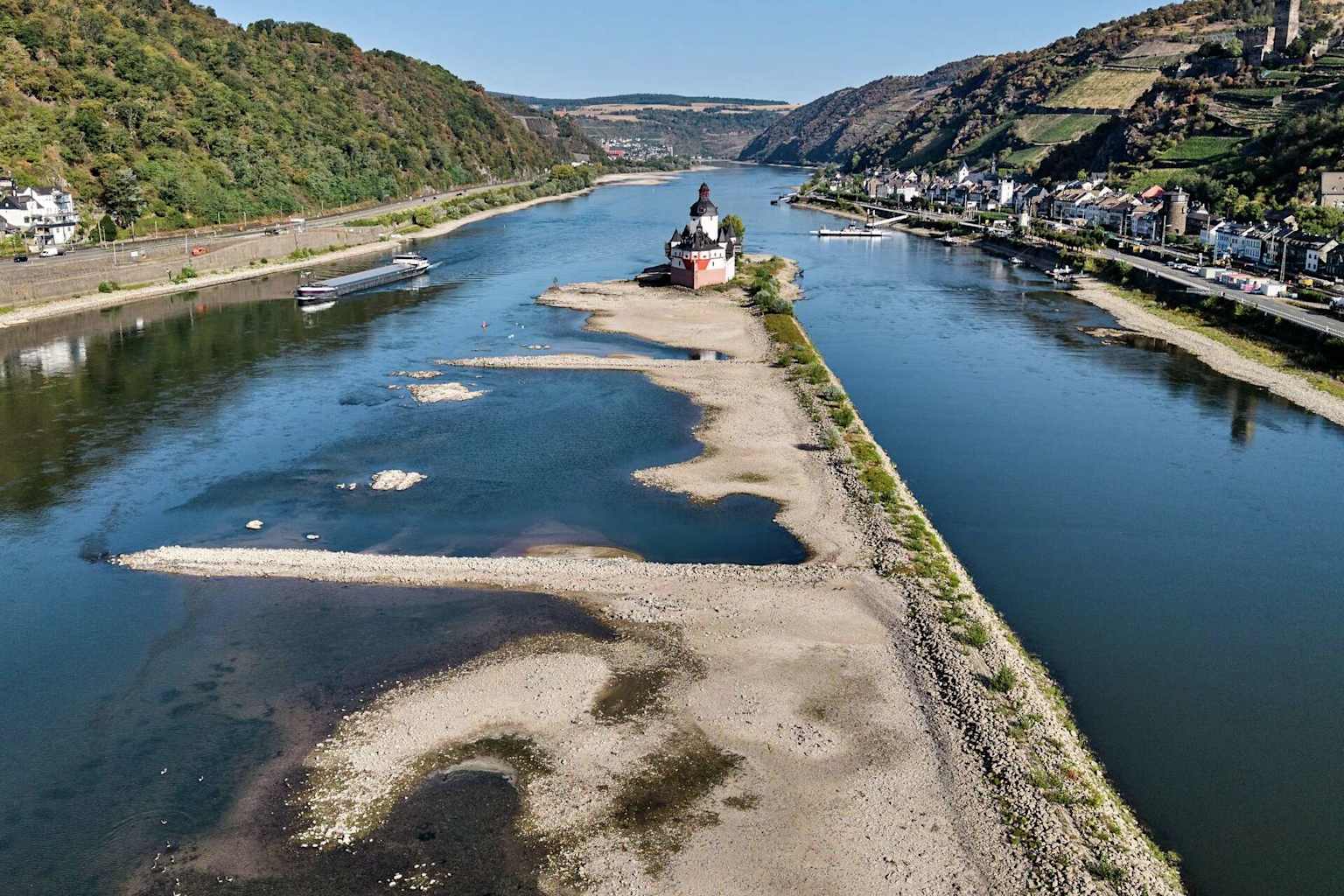
Rivers had record-low or near-record-low flows in July and August, including the Rhine, Danube, Po, Loire, Rhône and Seine. The low water affected freight transport, irrigation, hydropower and the cooling of nuclear reactors. By the end of August, drought covered almost half the continent, Burgess said.bluewin+1
Sea surface temperatures reached record or near-record levels along much of the Atlantic coast and in the western and central Mediterranean. Fire-weather conditions were the most severe ever recorded. By the end of September, about 680,000 hectares had burned, the third-worst total on record, according to data from the European Forest Fire Information System reported by The Guardian.news.yahoo+1
Europe is the world's fastest-warming continent, according to the World Meteorological Organization.yahoo
"It was not a single record," Burgess said. "It was the way that multiple records appeared together across the climate system."rfi