Newsletter Subscribe
Enter your email address below and subscribe to our newsletter
[forminator_form id="25163"]

All voices matter
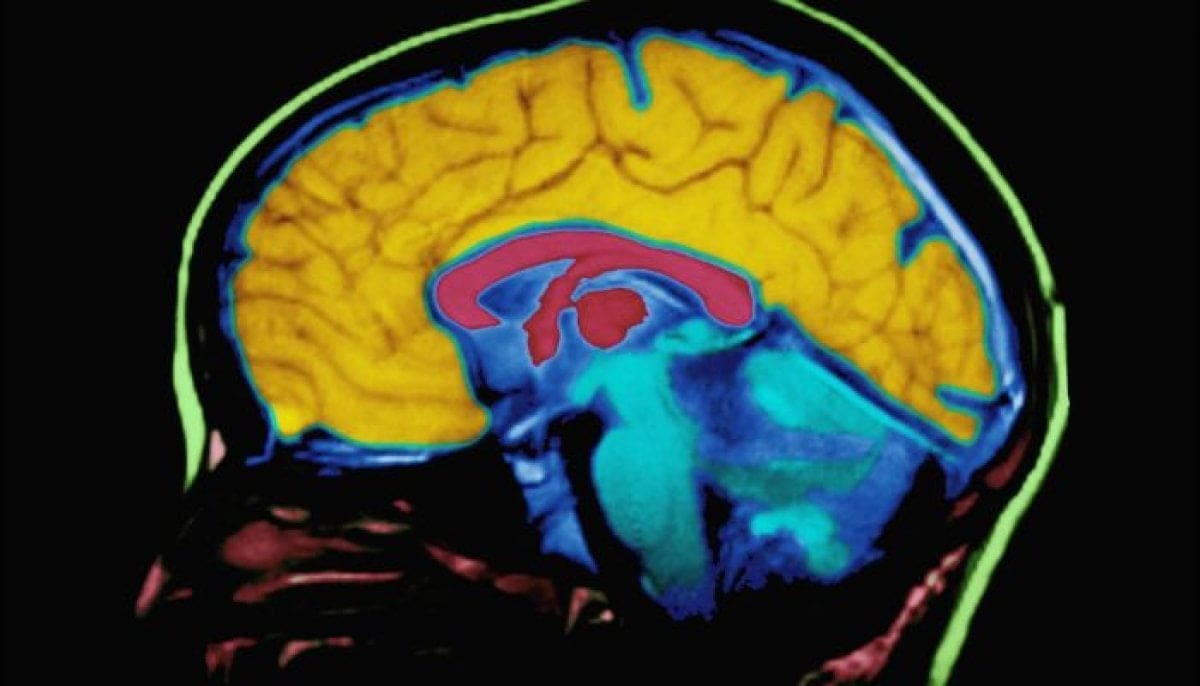
medicalxpress+1medicalxpress+1medicalxpress+1The human brain is not the singular organ scientists long assumed it to be. A study published Friday in Nature Neuroscience by a Stanford Medicine-led research team reveals that the brain develops from two separate populations of progenitor cells, overturning decades of scientific consensus that a single precursor gives rise to the entire organ.medicalxpress+1
The prevailing model of brain development held that all brain regions trace back to a common progenitor cell early in embryonic life. The new research dismantles that idea. Working with mouse embryos during gastrulation — the stage when the body first takes shape — the team identified two mutually exclusive progenitor cell populations. One, expressing a gene called Otx2, is destined to become the forebrain and midbrain, which handle language, consciousness, and abstract reasoning. The other, expressing Gbx2, forms the hindbrain, which controls breathing, heartbeat, sleep, and swallowing.sciencealert+1
The two populations never overlap, and their DNA packaging — known as chromatin — differs fundamentally, locking each cell type into its developmental path. "We've shown for the first time that the front of the brain arises from a totally different progenitor cell than the back of the brain," said Kyle Loh, associate professor of developmental biology at Stanford and the study's senior author.medicalxpress+1
The researchers confirmed the pattern extends beyond mice. They found the same dual-origin structure in chickens, zebrafish, macaques, and acorn worms — species that share a common ancestor estimated to have lived roughly 550 million years ago. "Our research suggests that evolution took two existing neural systems and pushed them together spatially," Loh said.sciencealert+1
The finding resolves a long-standing laboratory puzzle. Scientists have struggled for decades to grow hindbrain neurons in vitro, likely because they were starting with forebrain-destined progenitor cells. "Previous attempts to make hindbrain neurons likely tried to coax forebrain and midbrain progenitors into hindbrain cells, which our study shows is not possible," said co-first author Rayyan Jokhai.streamlinefeed+1
Armed with the correct starting material, the team for the first time successfully generated functional human hindbrain motor neurons from pluripotent stem cells. The lab-grown cells displayed electrical activity and proteins characteristic of the hindbrain regions controlling facial and swallowing muscles. This capability opens new paths for studying diseases that destroy hindbrain neurons, including spinal muscular atrophy — a leading genetic cause of death in children under one — and amyotrophic lateral sclerosis.medicalxpress+1
"Now we have a model to better understand these devastating diseases and work toward regenerative therapies for them," Jokhai said. "This is a very exciting new frontier in brain research."medicalxpress