Newsletter Subscribe
Enter your email address below and subscribe to our newsletter
[forminator_form id="25163"]

All voices matter
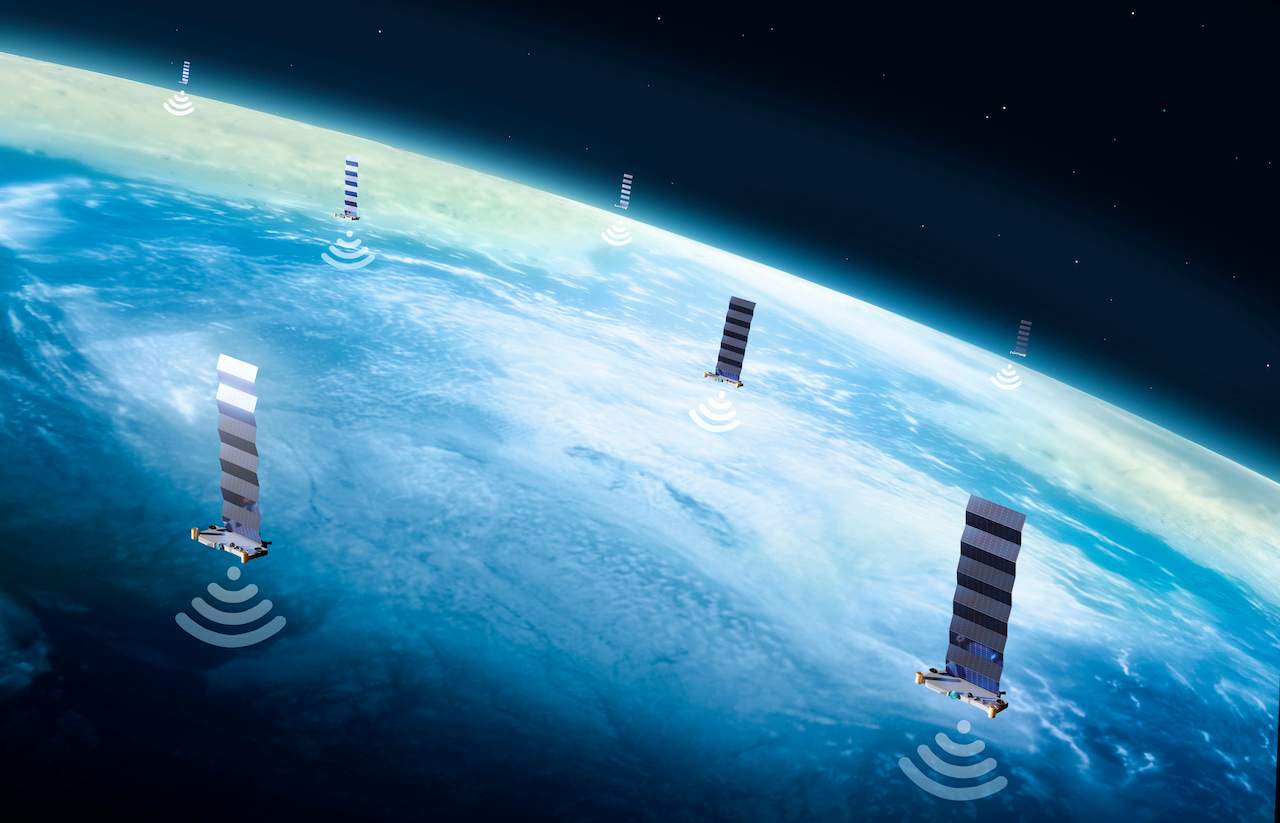
x+1lightreading+1basenorSpaceX announced on Wednesday that its next-generation Starlink Mobile service will deliver 5G-grade connectivity directly to unmodified smartphones, partnering with Japanese carrier au (KDDI) as the first operator to sign on for the upgraded V2 satellite platform. The company said the V2 network will provide 100 times the data density of its current V1 fleet, enabling native voice calls, video streaming, and high-speed apps from orbit — without requiring a dish or specialized hardware.x+1
The announcement, posted on Starlink's official X account on September 17, marks a shift for the service formerly known as Direct to Cell from an emergency messaging tool to something closer to a full mobile network.macdailynews+1
KDDI signed the V2 service agreement with SpaceX on August 10, 2026, making it the first carrier in Asia to secure the next-generation technology, according to the company's official newsroom. The Japanese operator aims to begin offering Starlink Mobile V2 by the end of 2027 in areas outside terrestrial coverage, including mountainous regions and remote islands.newsroom.kddi
"We are excited to open this next chapter with KDDI on Starlink's next-gen mobile broadband technology," SpaceX President and COO Gwynne Shotwell said in a statement. KDDI CEO Hiromichi Matsuda described the agreement as part of a broader vision spanning V2, xAI, and space-based connectivity.newsroom.kddi
The two companies have worked together since 2021, starting with Starlink broadband as backhaul for au base stations and expanding to direct satellite-to-smartphone messaging through "au Starlink Direct" in April 2025.newsroom.kddi+1
The V2 satellites, designed for launch aboard Starship rather than Falcon 9, carry larger phased-array antennas and more onboard processing, enabling narrower beams that can serve more users at higher speeds across the same coverage area. SpaceX has previously said each V2 satellite will deliver roughly 20 times the throughput of first-generation models.basenor+2
SpaceX CFO Bret Johnsen said earlier this month that "5G-quality" mobile satellite service is targeted for the first half of 2028, with new V2 constellation deployments planned via Starship throughout 2027. The timeline has slipped from a previous target of late 2027.lightreading
Starlink is not alone in the satellite-to-phone race. AST SpaceMobile has demonstrated 5G broadband from its BlueBird satellites in trials with AT&T and Verizon , though its constellation remains small. Amazon.com has announced a merger with Globalstar to pursue direct-to-device services, while Apple continues to offer narrowband emergency SOS through its existing Globalstar integration.broadbandbreakfast+2
The regulatory path is also clearing. The FCC recently granted SpaceX an international Section 214 license to carry Starlink Mobile communications between the U.S. and other countries, and former FCC Commissioner Michael O'Rielly urged the agency to greenlight pending applications to keep the U.S. ahead in the global satellite marketplace.basenor+1