Newsletter Subscribe
Enter your email address below and subscribe to our newsletter
[forminator_form id="25163"]

All voices matter
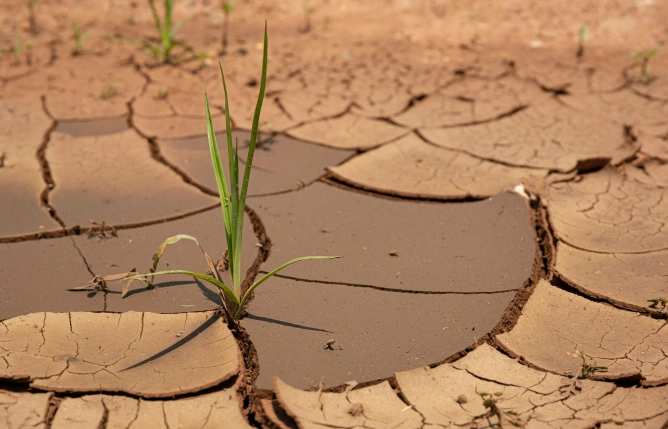
reutersreuters+1telegraphindiaThe World Meteorological Organization said on Thursday that rivers worldwide experienced one of their driest years in decades in 2025, with below-normal flows recorded in more than a third of the world's river basins — one of the worst such readings in 35 years of data collection.reuters+1
The findings, published in the WMO's State of Global Water Resources report, reflect a broader decline in terrestrial water storage across groundwater, lakes, vegetation, ice, and snow that has persisted for roughly a decade.reuters
"We are depleting that savings account. Global terrestrial water storage has shown a declining trend since 2014–2016 — a persistent, decade-long signal," WMO Secretary-General Celeste Saulo said in a statement accompanying the report. The agency warned of "serious future implications," noting that these reserves act as a buffer during exceptionally dry years — a buffer that is steadily shrinking.telegraphindia+1
While drought dominated the global picture, the report highlighted that some river basins, including parts of South Asia, experienced above-normal water levels, underscoring increasingly erratic and unpredictable water cycles. The contrast between parched and flooded regions illustrates the uneven way climate pressures are reshaping hydrology around the world.telegraphindia+1
Widespread glacier losses were recorded across all regions in 2025 for the fourth consecutive year, the WMO said, warning that continued retreat would contribute to long-term water insecurity. Glaciers serve as natural reservoirs, releasing meltwater during warm months; their sustained shrinkage removes a critical supply source for communities downstream.telegraphindia
The report lands as policymakers prepare for the next round of international climate negotiations, adding fresh urgency to debates over water governance and adaptation investment.