Newsletter Subscribe
Enter your email address below and subscribe to our newsletter
[forminator_form id="25163"]

All voices matter
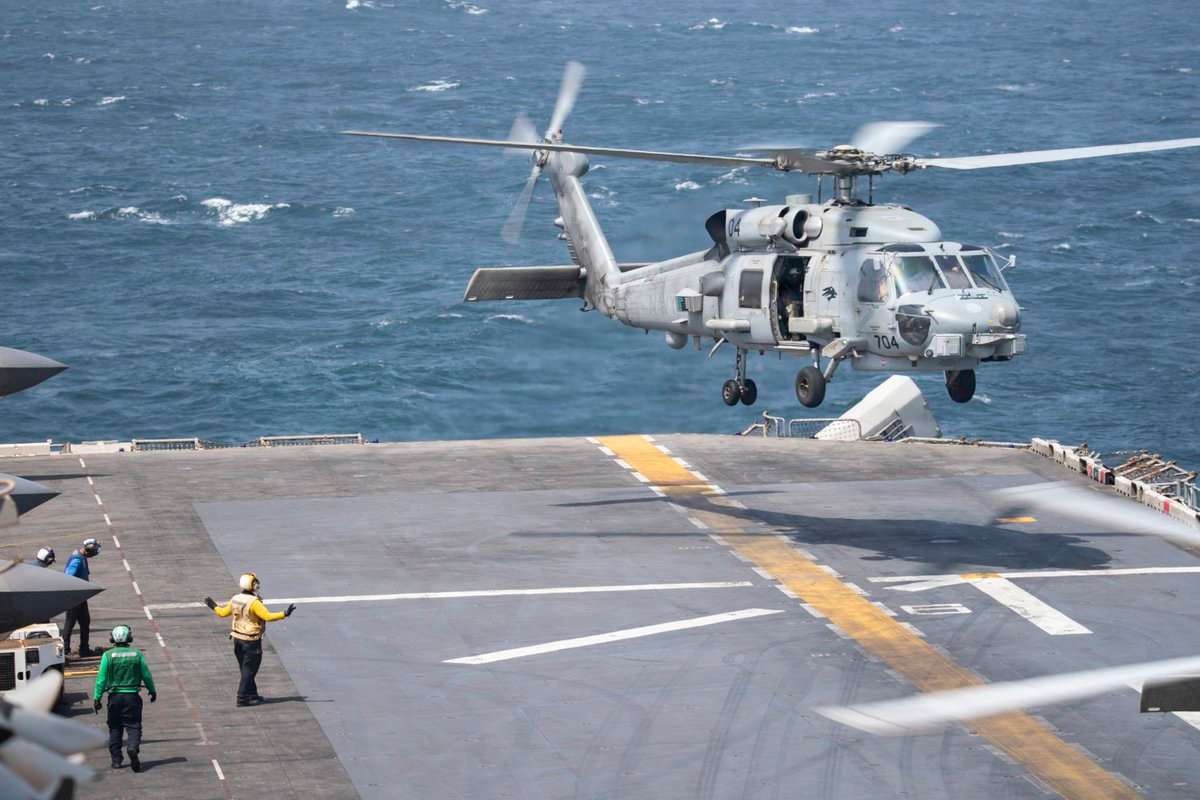
arabnews+1arabnews+1arabnewsThe United States has narrowed its air defense coverage for oil tankers transiting the Strait of Hormuz to two specific daily windows, after Iran escalated attacks on commercial vessels traveling at night, the Financial Times reported on Saturday.arabnews+1
Washington has been offering air-based defense since May to ships sailing a route hugging the Omani coast on the strait's southern side. But as of early September, the protection period was reduced to two fixed time slots per day, according to emails sent by the US naval coordination center to maritime advisers cited by the FT. Ships are advised but not required to sail during those windows.businesstimes+1
The restriction comes as the US military intensifies enforcement of its blockade on Iranian ports. US Central Command said Friday it had forced 99 commercial vessels to change course in the Gulf region. The US-led Joint Maritime Information Center also warned that maritime security conditions remain tense, with the threat level in the Strait of Hormuz still rated as "severe" and a "high likelihood of attacks on vessels" amid the current security situation.arabnews
Iran imposed a blockade on the strait early in the conflict that began on February 28.timesofisrael
Amid the escalating tensions, diplomatic channels are active. Iranian Foreign Ministry spokesman Esmaeil Baghaei said Friday that foreign ministers from Gulf littoral states are scheduled to meet in Oman on Monday to discuss regional issues, including talks between Iran and Oman on designating safe routes through the strait. The meeting will be attended by Iran, Iraq, and other Gulf littoral states, with Baghaei expressing hope it would "prepare the ground for improving understanding among regional countries and contributing to joint regional security".arabnews
The Strait of Hormuz remains the world's most critical chokepoint for oil shipments, and any further disruption to transit could have broad consequences for global energy markets.