Newsletter Subscribe
Enter your email address below and subscribe to our newsletter
[forminator_form id="25163"]

All voices matter
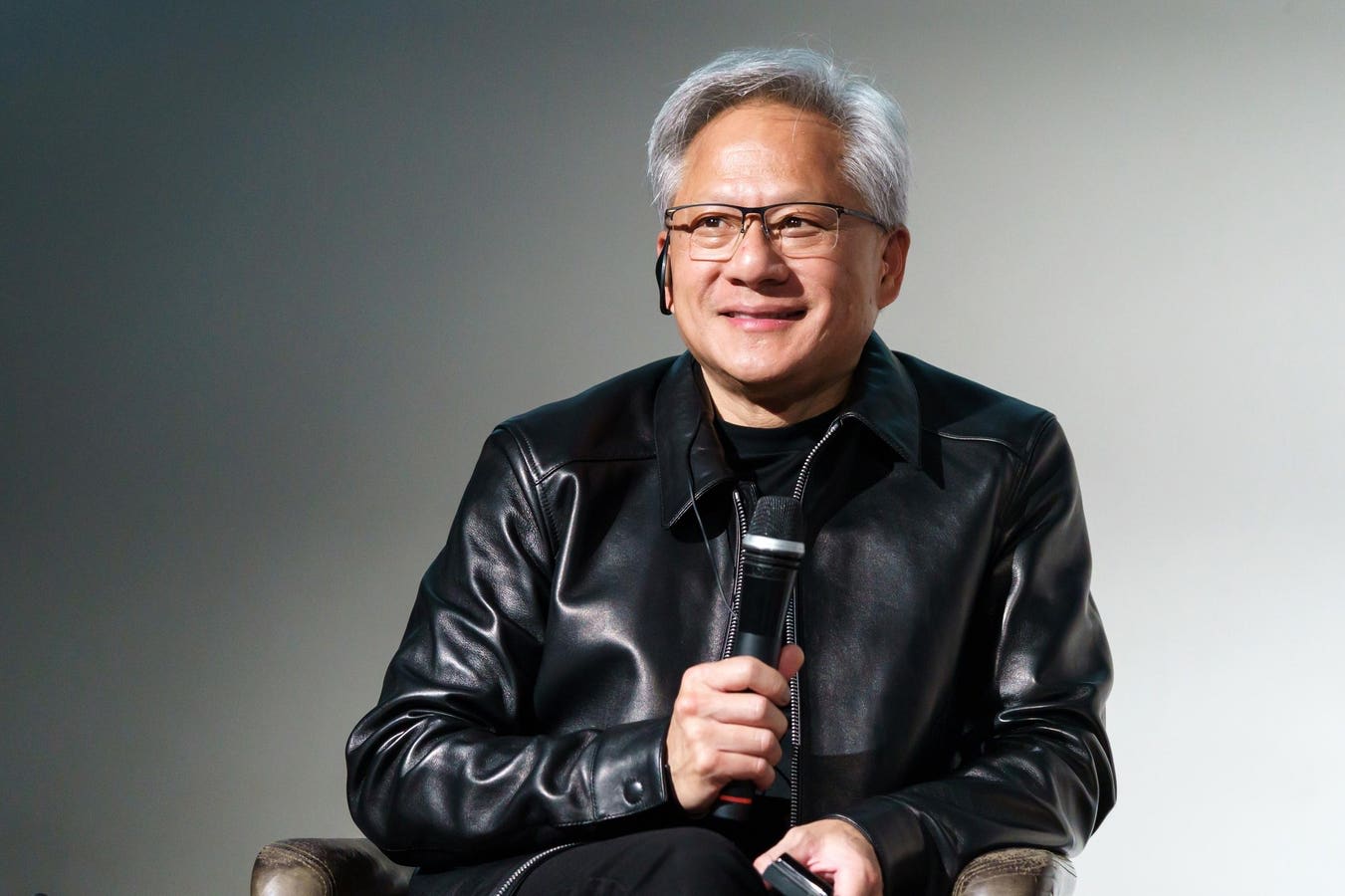
axios+1stocktwits+1stocktwitsNvidia CEO Jensen Huang used his appearance at Goldman Sachs's The Goldman Sachs Group, Inc. Communacopia + Technology Conference on Thursday to push back against two lines of criticism dogging the AI industry: that advanced AI poses an existential threat to humanity, and that Nvidia is effectively financing its own demand.
Huang took direct aim at former Anthropic researcher Jacob Coxon, whose resignation earlier this week and viral warning that "the people building AI earnestly believe that it could kill us all by the end of the decade" has dominated AI discourse. According to investor Brad Gerstner, who attended the event, Huang called Coxon's comments "outlandish" and "deeply untrue," adding they were "wrong, arrogant, and dismissive of the safety work being done across the industry".axios+2
"The fact that this is going to be the end of humanity — it's complete nonsense," Huang said, reprising remarks he first made in a July interview with Axios. He framed much of the current cybersecurity alarm as demand creation by vendors preparing product launches. "What better way to create demand than to create a problem?" he told the conference crowd.beincrypto+1
The dismissal drew a pointed rebuttal from within the labs Huang praised. OpenAI safety researcher Jasmine Wang responded on X that Coxon was "not wrong," noting that "a solid proportion of folks across labs have signed a petition saying we need to pace". Anthropic's own alignment science lead, Evan Hubinger, has said he sees a greater than 10 percent chance AI could cause human extinction within the next decade.stocktwits+1
Huang also mocked the charge that Nvidia subsidizes its own chip demand through investments in customers such as OpenAI and CoreWeave . "We put in one, and a hundred comes back in. Is that circular? If that is, let's do more of that," he said to laughter.finance.yahoo+1
The numbers behind the scrutiny are substantial. Nvidia invested $2 billion in CoreWeave in January, contributed $30 billion to OpenAI's $110 billion funding round, and in August launched a platform with BlackRock and five other financial institutions to mobilize more than $500 billion in third-party AI infrastructure capital. SEC filings show three direct customers accounted for 16, 15, and 13 percent of Nvidia's first-half fiscal 2027 revenue.investinglive+1
Short seller Jim Chanos challenged Huang publicly this week, and Michael Burry warned in July that circular spending had reached "biblical proportions". The Bank for International Settlements flagged rising debt and private credit across the AI value chain in a September 10 speech.finance.yahoo+1
University of Michigan business professor Erik Gordon told Axios that while Huang is a genuine techno-optimist, "Jensen's narrative is losing ground to the narrative grounded in fear." Gordon added that the position would be "more credible if he spent more time acknowledging the other fears and specifically addressing why we should be less fearful".axios
Nvidia shares fell for three consecutive sessions through Thursday, losing about 5.5 percent cumulatively, even as Huang reiterated confidence in 70 percent year-over-year revenue growth and defended a $3 trillion to $4 trillion AI infrastructure spending forecast through 2030.tipranks+1